Botox for Migraines
- •Health Canada Approved
- •Up to 50% Fewer Migraines
- •12-Week Treatment Cycle
- •RN Administered
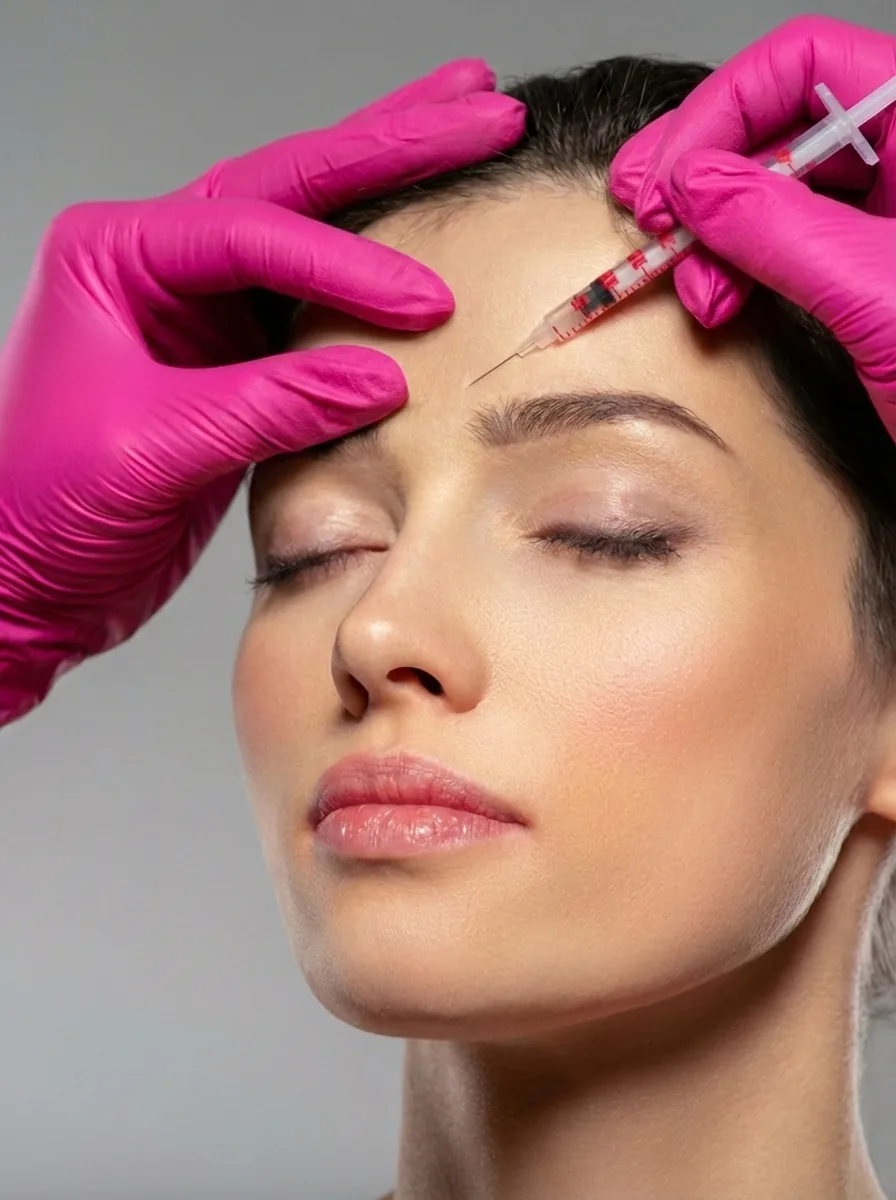
Botox is a preventive treatment for chronic migraine, injected on a 12-week cycle across set points in the head and neck to calm the nerve and muscle activity behind each attack. Many patients notice fewer migraine days as early as the first cycle.
4.8★ · 163 Reviews
- Health Canada Approved
- Up to 50% Fewer Migraines
- 12-Week Treatment Cycle
- RN Administered
Migraine Treatment Goals
What Botox for Migraines Treats
.webp&w=3840&q=75)
Chronic Migraine (15+ Days/Month)
The primary indication for therapeutic Botox. Multiple injections across the head and neck muscles interrupt the pain signalling pathway, reducing migraine frequency by up to 50% for many patients.
Treatments+
Injections across the head and neck on a 12-week cycle interrupt the pain signalling pathway. Frequency often drops by up to half over two to three cycles.
Causes+
Chronic migraine means 15 or more headache days a month, driven by a pain pathway that grows sensitised and recurs.
Botox for Migraines Results
What to expect, from the first cycle to peak prevention
After First Treatment
First cycle · loading dose
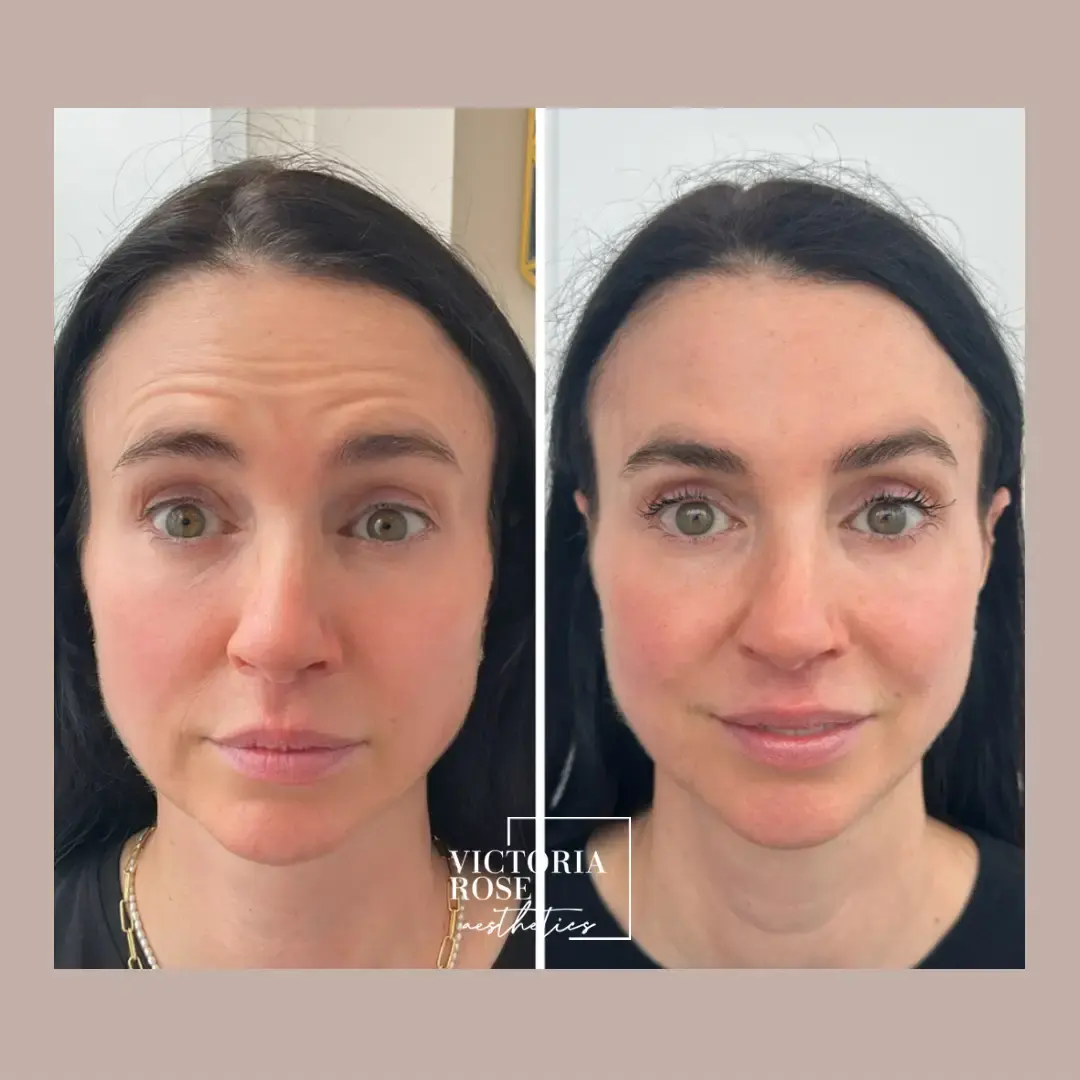
Some patients notice fewer migraine days within four weeks of the first treatment. Others need two to three cycles before the full benefit takes hold, so the first cycle is often treated as a loading dose. Mild soreness at the injection sites usually settles within a day or two.
After Second Cycle (Week 12 to 24)
Second cycle · weeks 12 to 24
By the end of the second cycle, most patients see a measurable drop in migraine days per month. Headache duration and severity often ease alongside the lower frequency. We compare your migraine diary against your baseline to confirm how you are responding.
Established Treatment (Cycle 3+)
Cycle 3+ · established prevention
From the third cycle onward, the preventive effect is usually well established and tends to hold with consistent 12-week retreatment. Most patients stay on the schedule because the benefit continues only while treatment continues. We keep tracking your pattern and adjust the protocol if your needs change.
The VRA Experience
Why Patients Choose VRA for Botox for Migraines
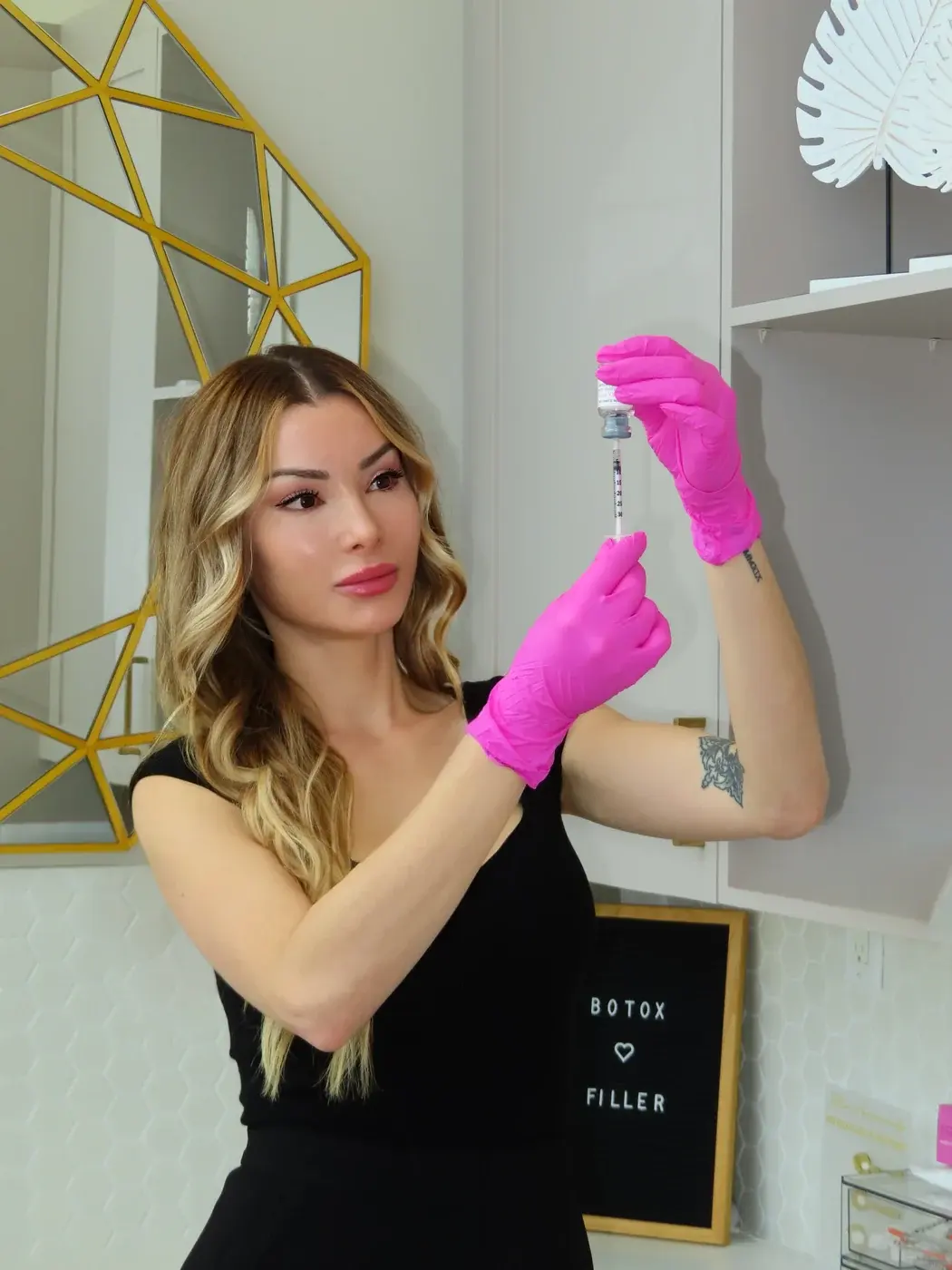
Victoria Rose Cyr, RN, BScN, brings over a decade of clinical experience, and years spent teaching it, first in the classroom and now as a national clinical trainer for a respected aesthetics brand. Today that expertise goes into her Pickering practice and the team of experts she's built around it.
Victoria Rose Cyr is a Registered Nurse (BScN) and the founder of Victoria Rose Aesthetics, with 10 years of clinical experience, six years running her own practice, and five years as a national clinical trainer. She sets the clinical standard every treatment at VRA is held to.
Victoria is a clinical trainer for Nuceiva and Teosyal, mentoring physicians, nurses, med spa owners, and injectors across Canada in precise, evidence-based technique.
Migraine treatment follows an established injection-point protocol, placed by a trained VRA injector under medical oversight, as required in Ontario.
Patient Reviews
What Our Patients Say
Honest words from patients at Victoria Rose Aesthetics in Pickering.
I recently had a Sofwave treatment at Victoria Rose Aesthetics and the entire experience exceeded my expectations. From the moment I walked in, the space felt elevated, welcoming, and incredibly…
Antonella Calandra
Victoria Rose Aesthetics · Pickering
Treatment Process
Botox Migraine Treatment Process
From your first consultation through maintenance, here is exactly what to expect at every step of your Botox for Migraines at Victoria Rose Aesthetics.
Step 01 · Consultation
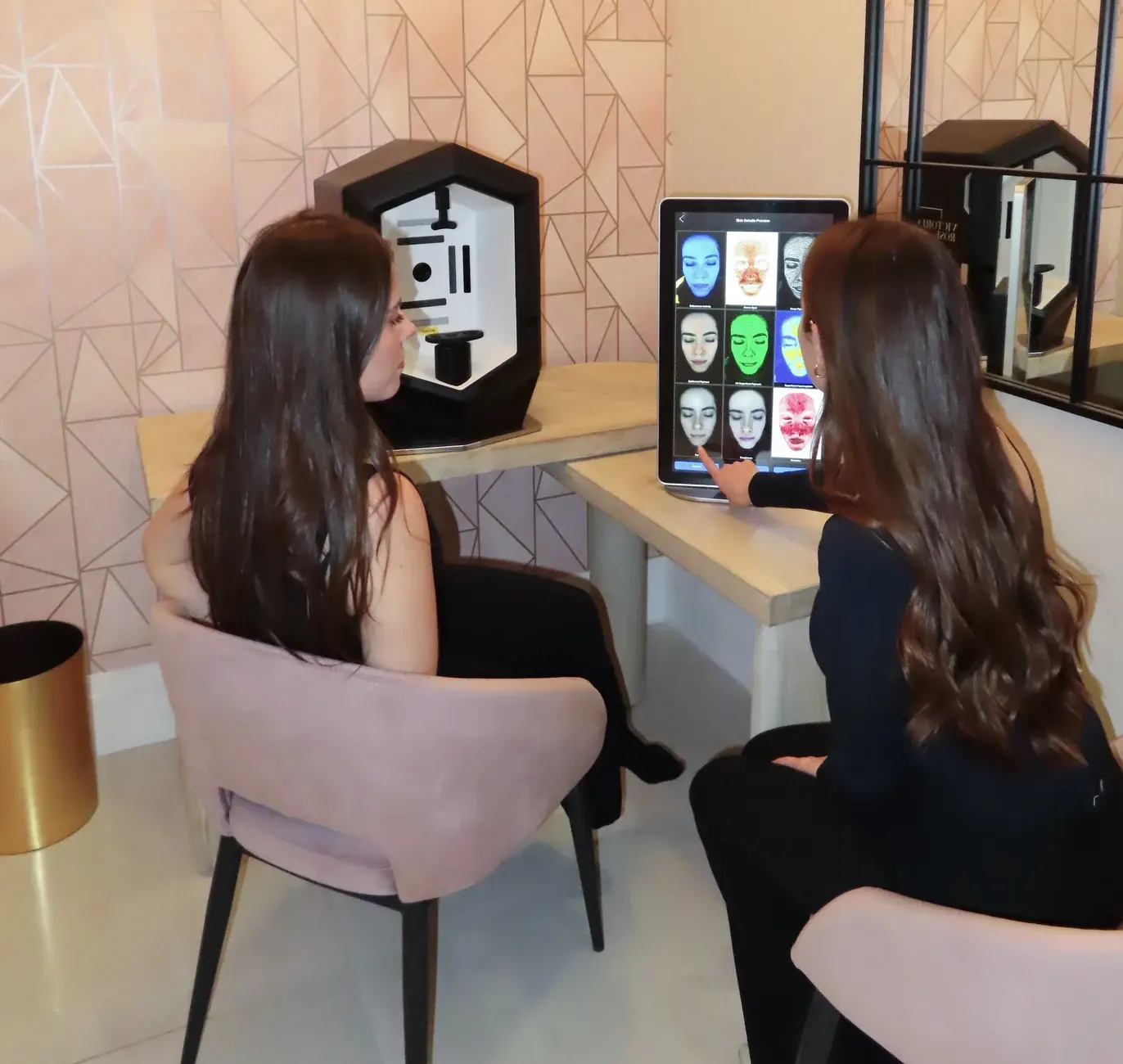
Consultation and Headache History
We review your migraine history, current medications, headache diary, and previous treatments. Your practitioner confirms your eligibility for the therapeutic Botox protocol and explains what to expect across treatment cycles. A referral from your family physician or neurologist is helpful but not always required.
- Migraine history and current medications reviewed
- Eligibility for the therapeutic protocol confirmed
- Family physician or neurologist referral helpful, not always required
Treatment Areas
Areas We Treat with Botox
Each area is its own treatment with its own technique and dosing, and many patients combine areas in a single coordinated session. Explore each treatment below, or book a consultation for a custom plan.
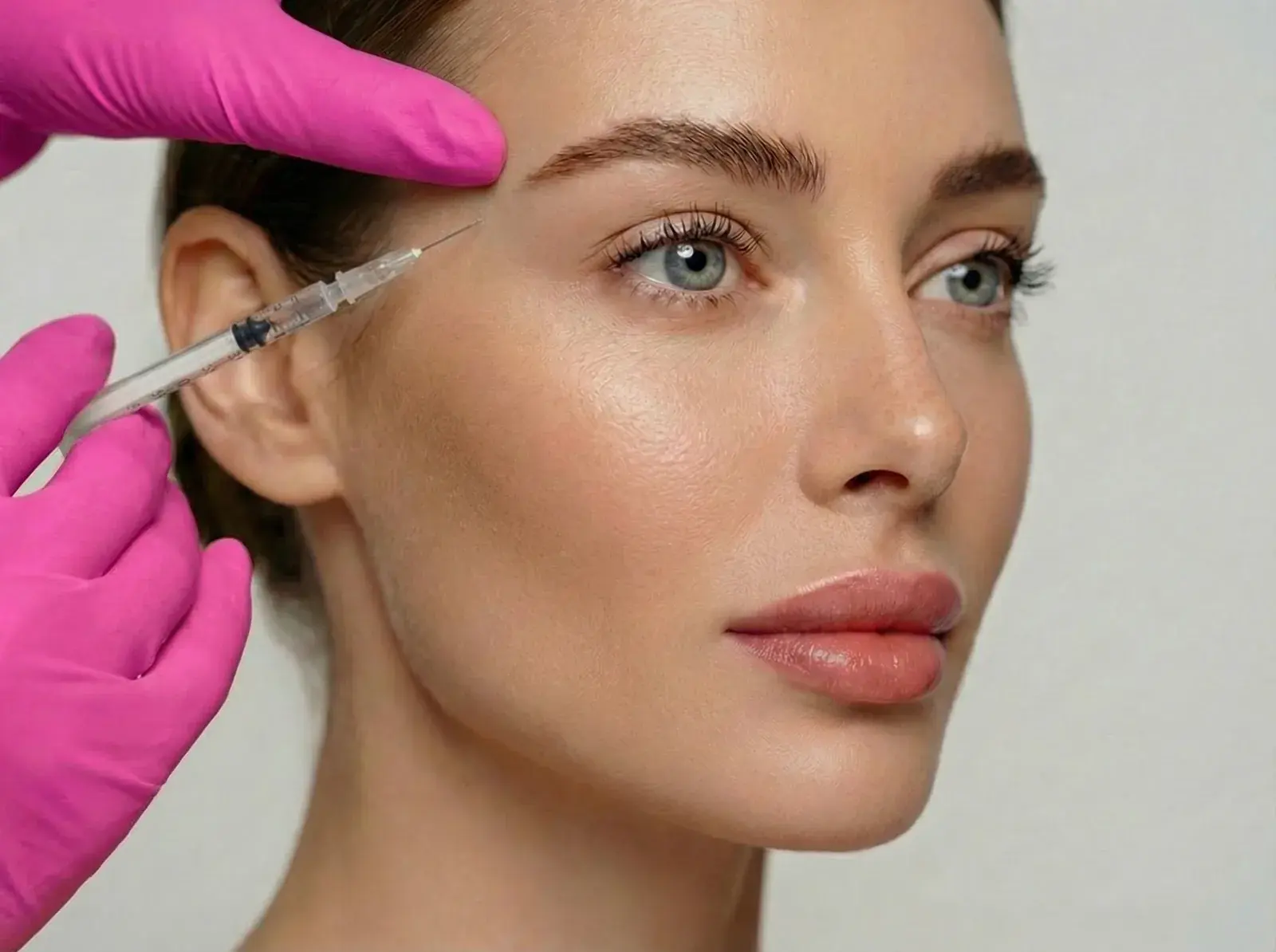
Botox Brow Lift
Botox Brow Lift
Consultation Required
Botox brow lift is an injectable that relaxes the muscles pulling your brow downward, allowing your brow to rise…
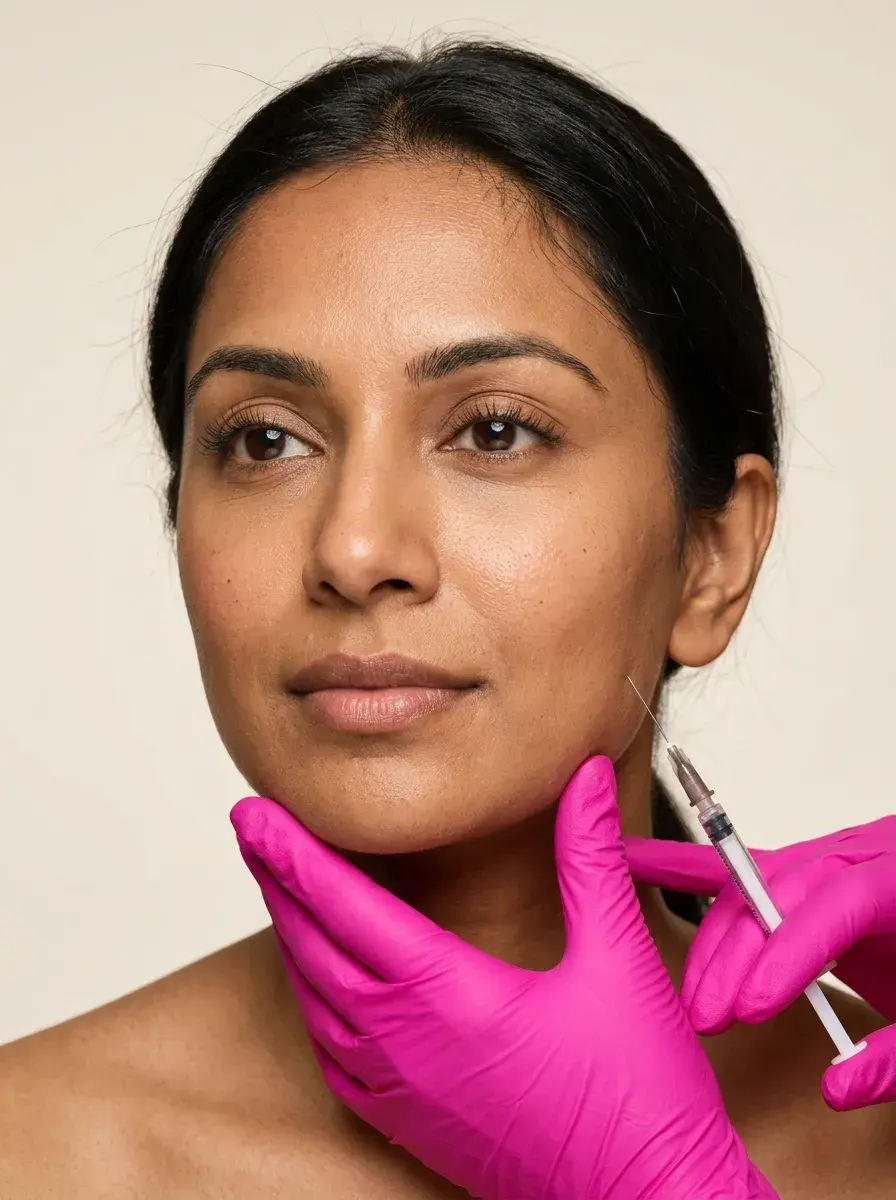
Masseter Botox
Masseter Botox
Consultation Required
Masseter Botox relaxes the jaw muscle to slim a square or wide jawline and ease teeth grinding, clenching, and jaw tension…
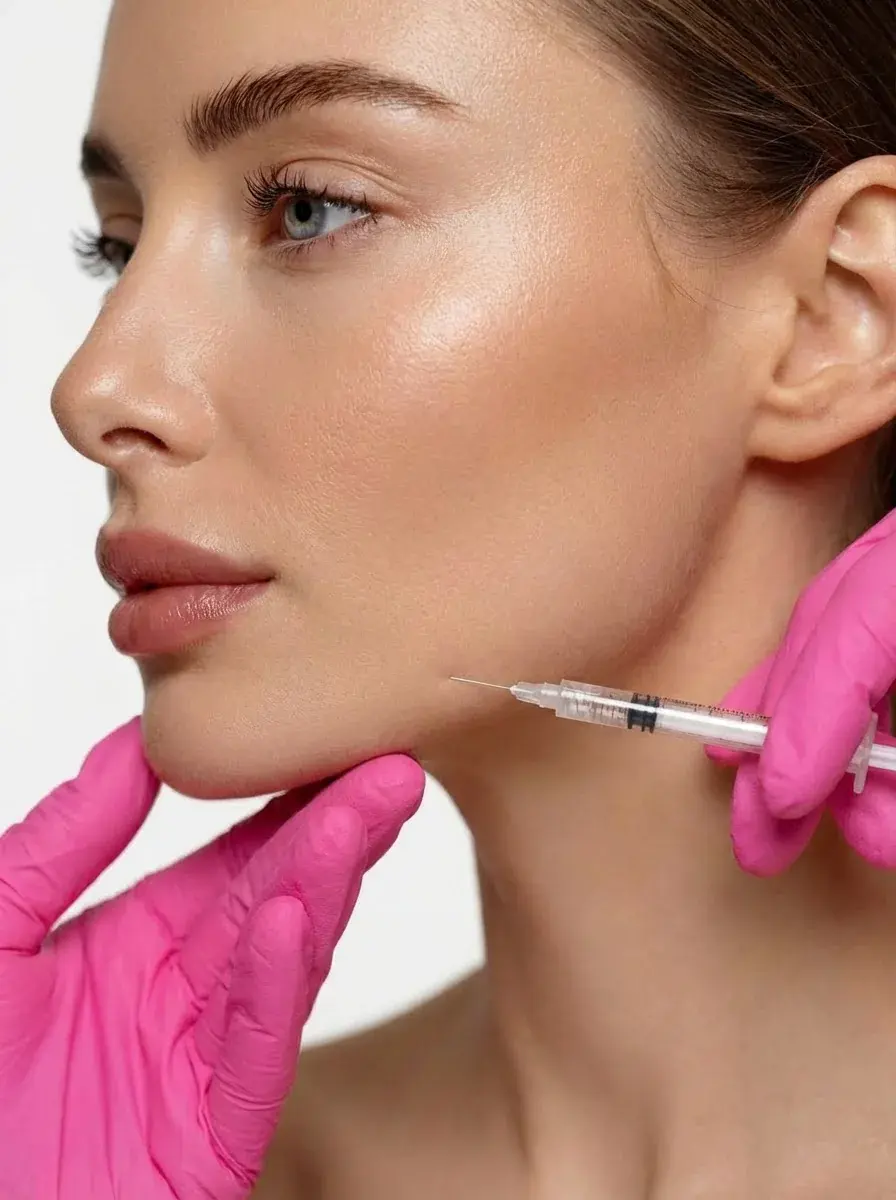
Botox for TMJ
Botox for TMJ
Consultation Required
Botox relaxes the masseter muscle to ease jaw clenching and TMJ pain while gradually slimming the jawline, all with…
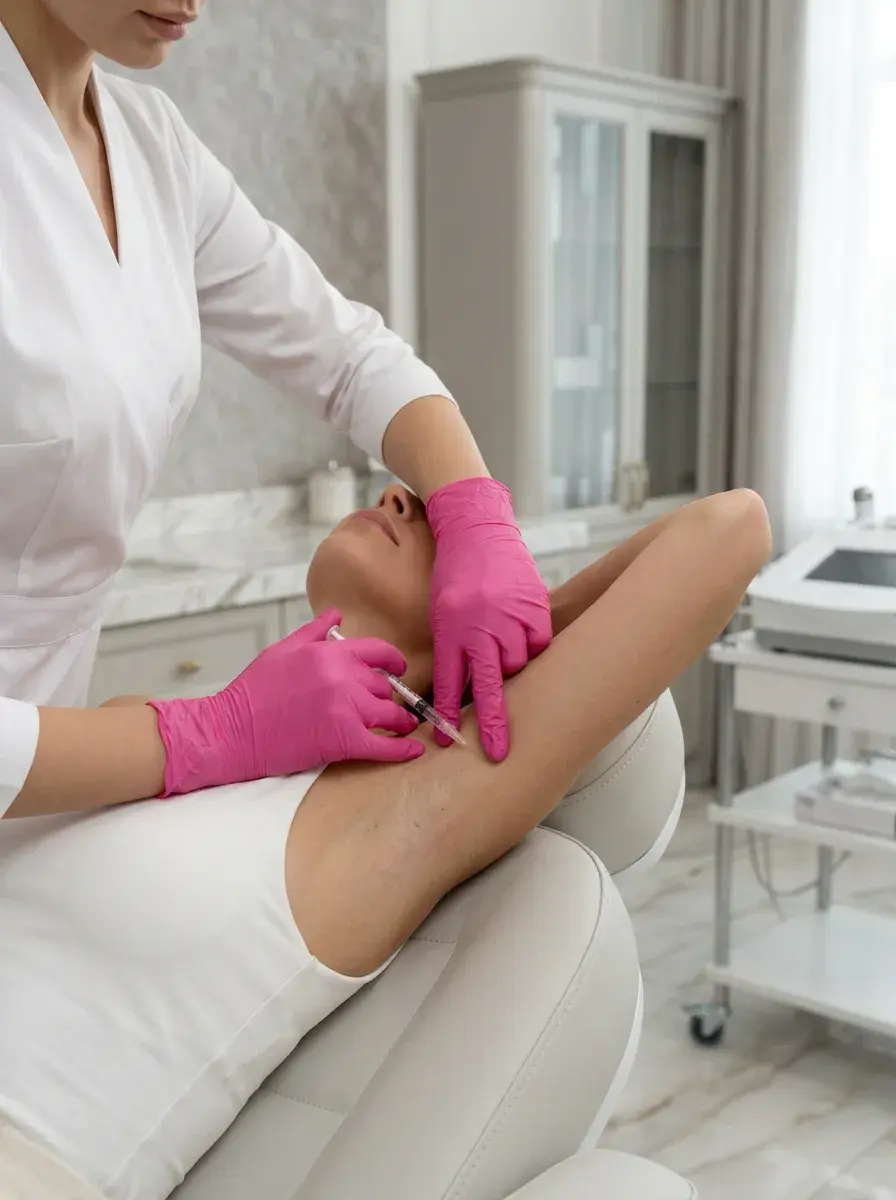
Hyperhidrosis Treatment (Botox)
Hyperhidrosis Treatment (Botox)
Consultation Required
Botox injected into overactive sweat glands blocks the nerve signals that trigger excessive sweating, stopping…
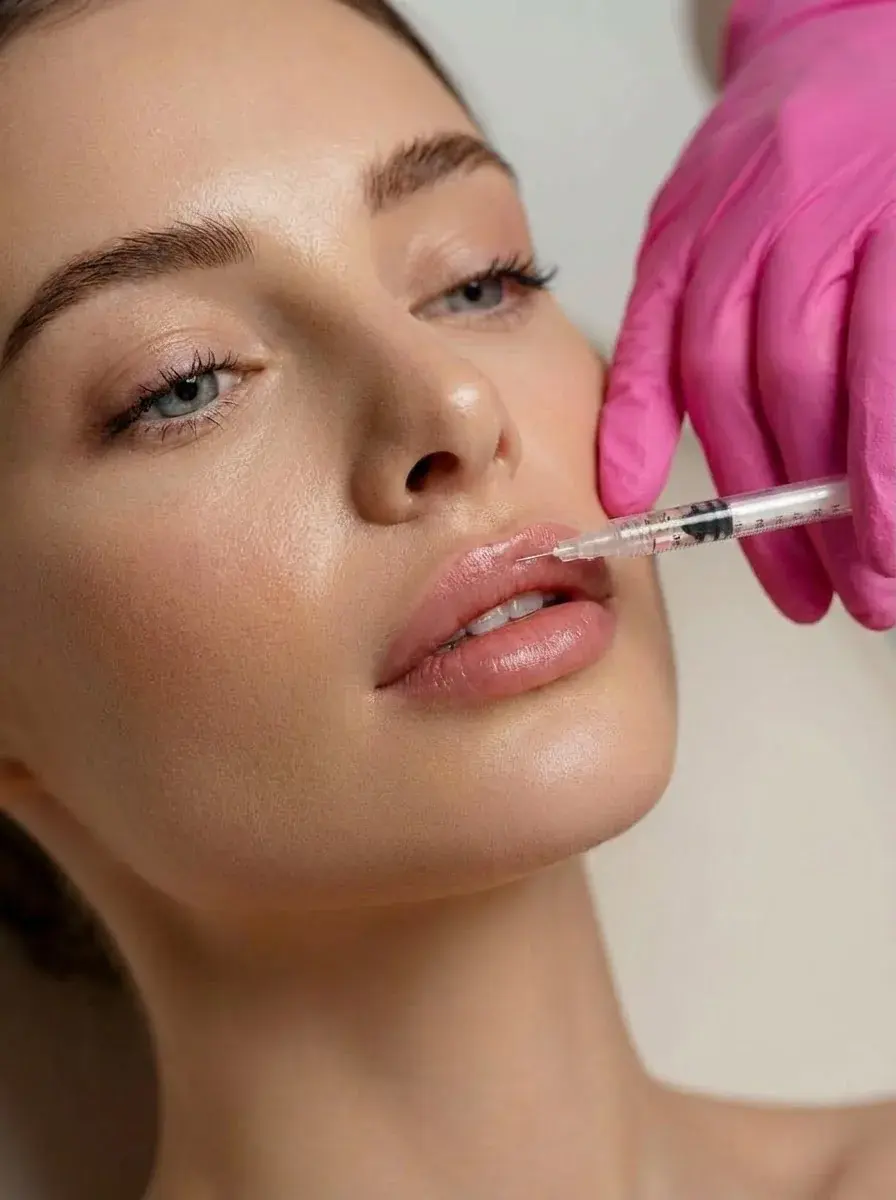
Lip Flip
Lip Flip
Consultation Required
A lip flip is a small Botox injection that relaxes the muscle above your upper lip, rolling it gently outward for a…
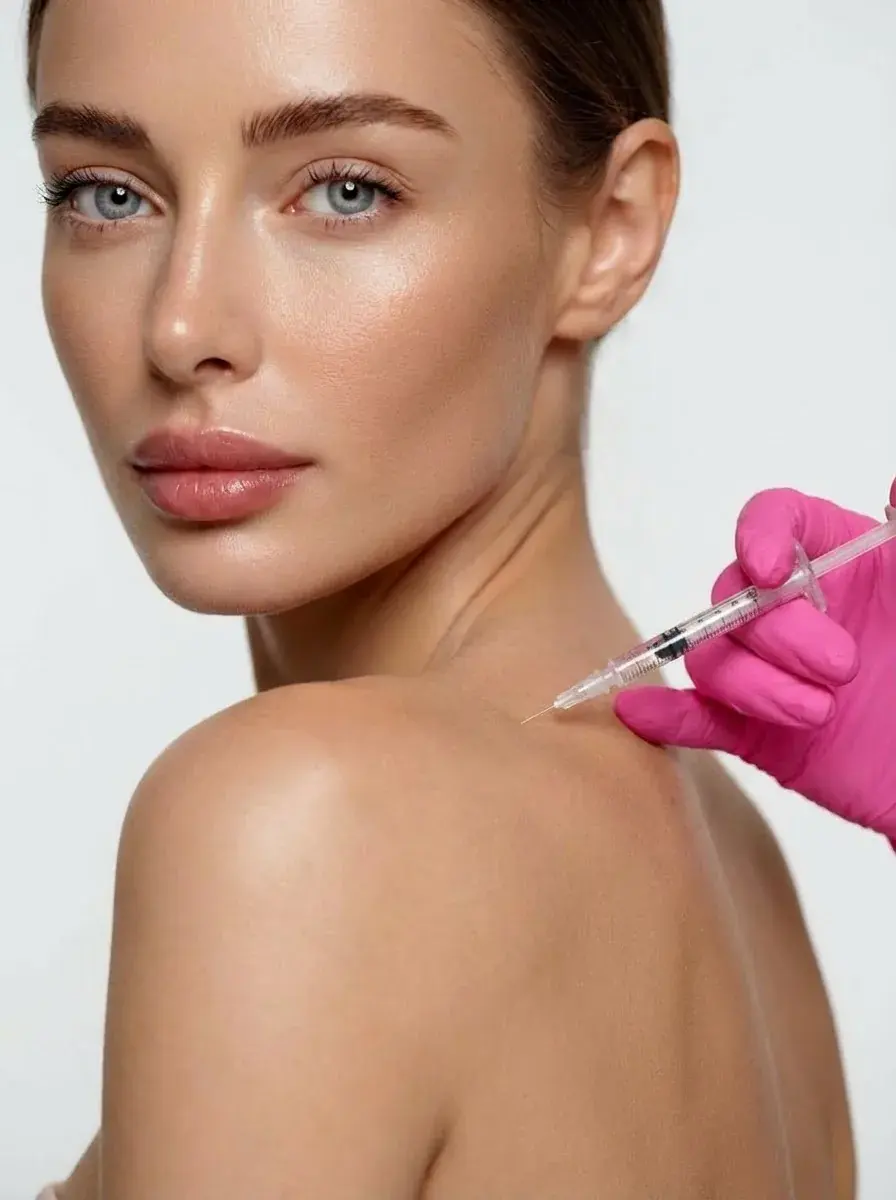
Traptox (Trapezius Botox)
Traptox (Trapezius Botox)
Consultation Required
Traptox uses Botox to relax the trapezius muscle, slimming the neck-to-shoulder line while easing chronic tension, all…
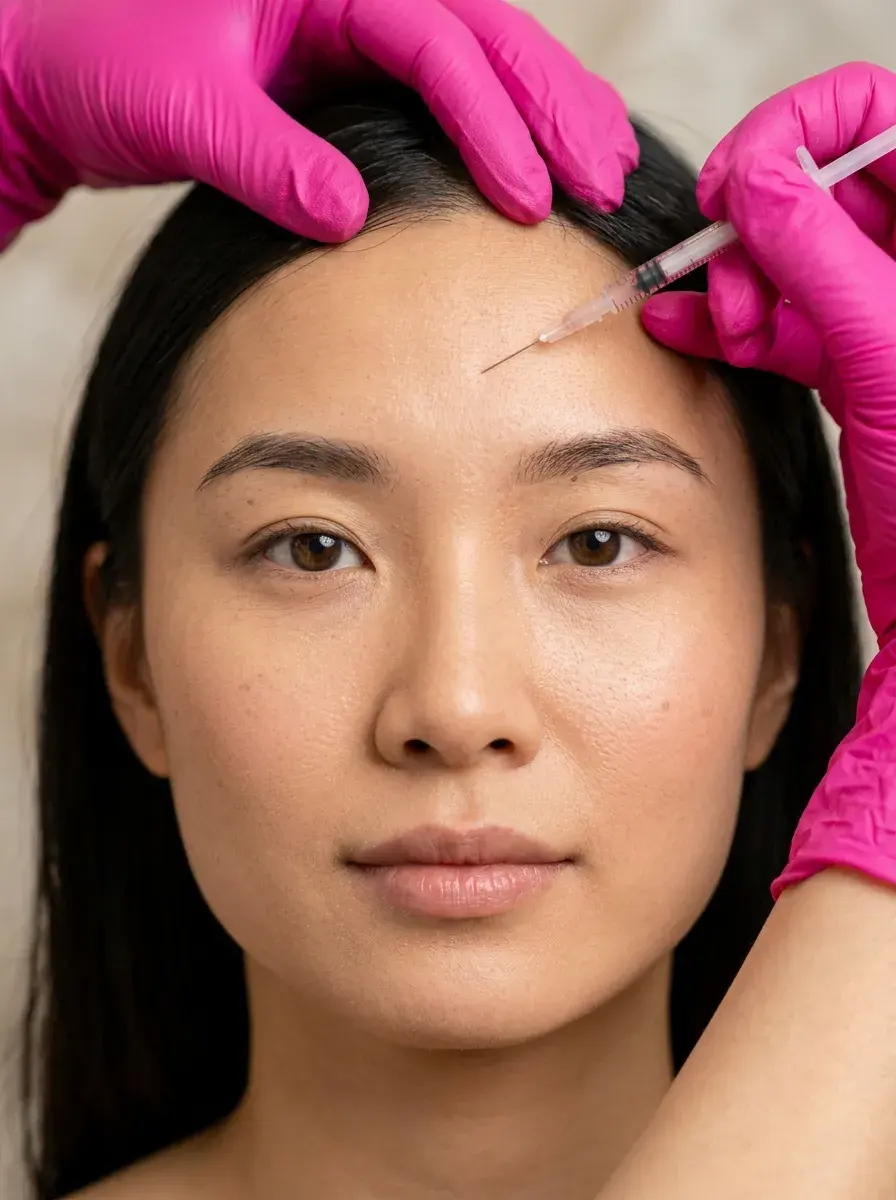
Forehead Botox
Forehead Botox
Consultation Required
Forehead Botox in Pickering softens horizontal forehead lines while keeping natural expression. RN-led by Victoria Rose Cyr, RN. Book a consultation.…
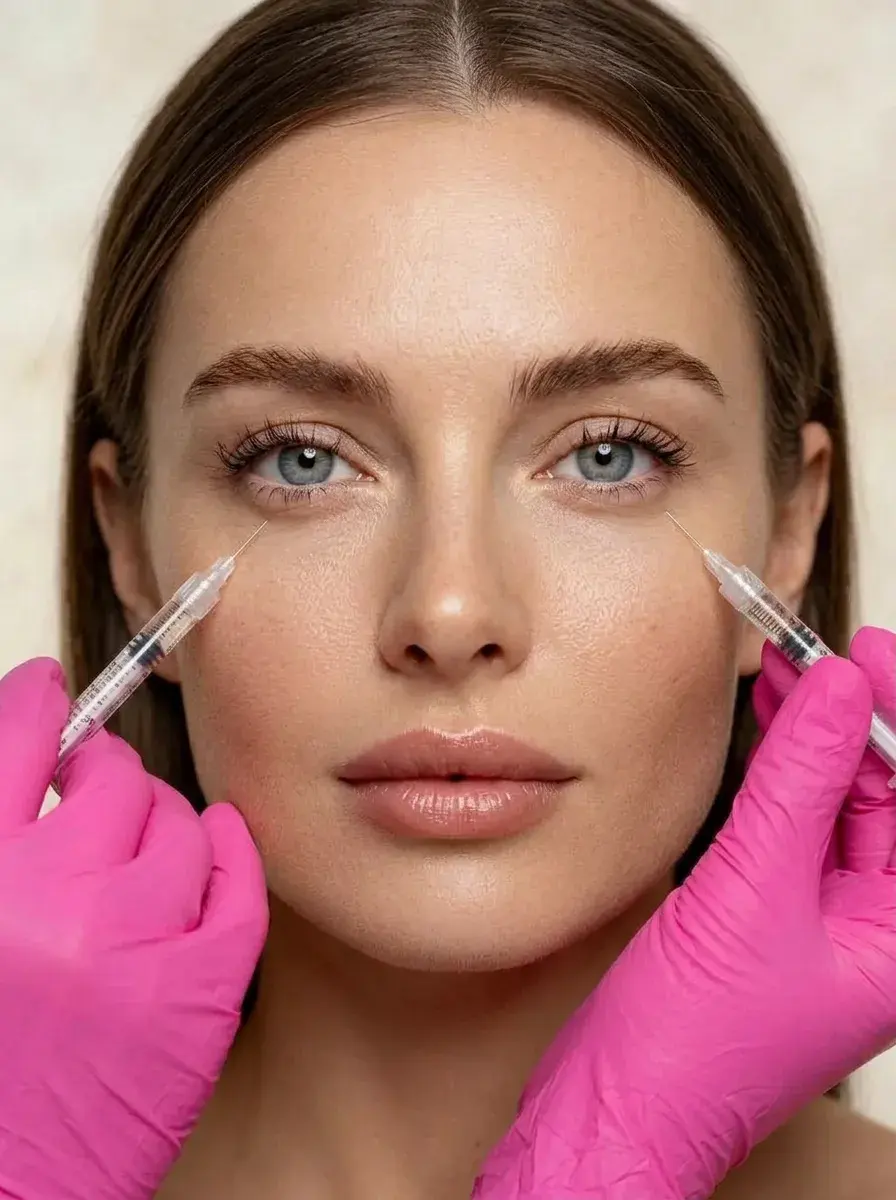
Crow's Feet Botox
Crow's Feet Botox
Consultation Required
Crow's Feet Botox in Pickering softens the lines around the eyes. RN-led care from Victoria Rose Cyr, RN, BScN. Book a consultation.…
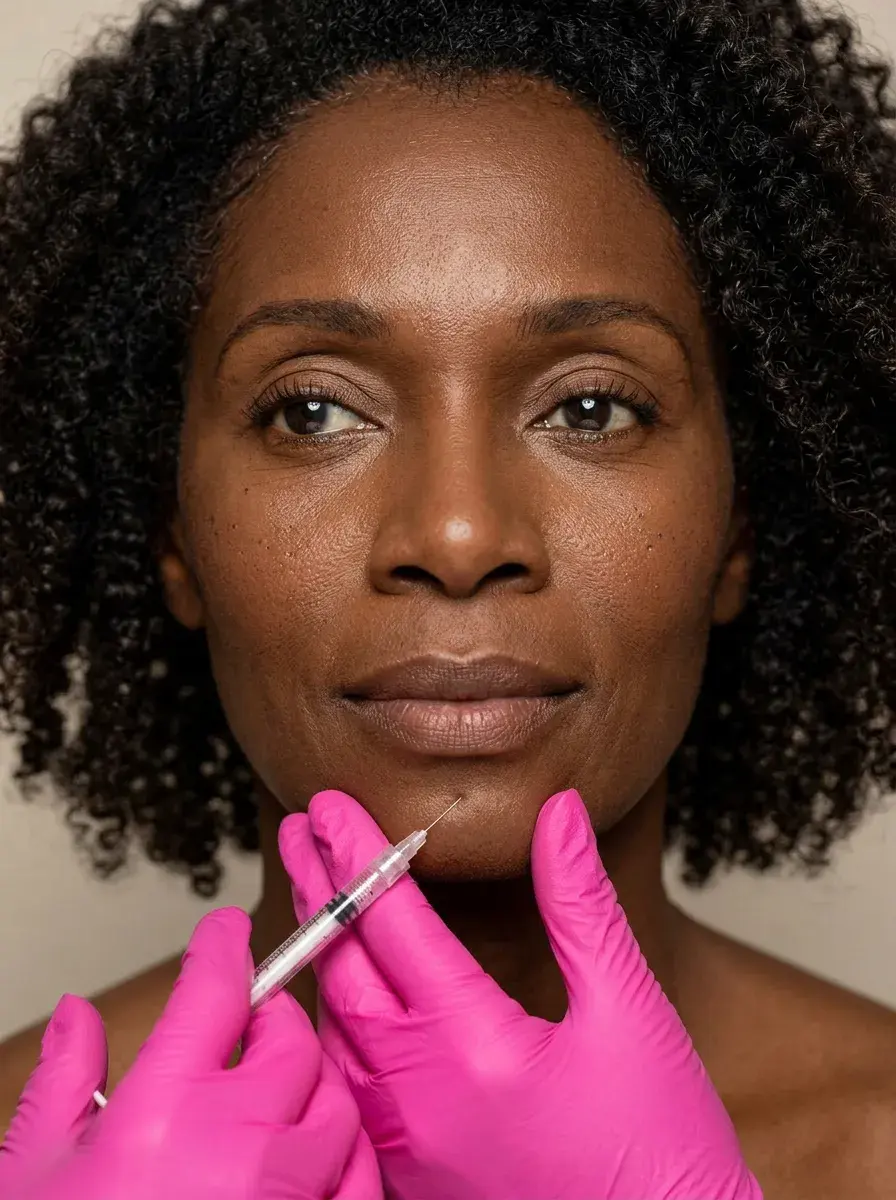
Chin Botox
Chin Botox
Consultation Required
Chin Botox in Pickering smooths a dimpled, orange-peel chin. RN-led care from Victoria Rose Cyr, RN, BScN. Book a consultation.…
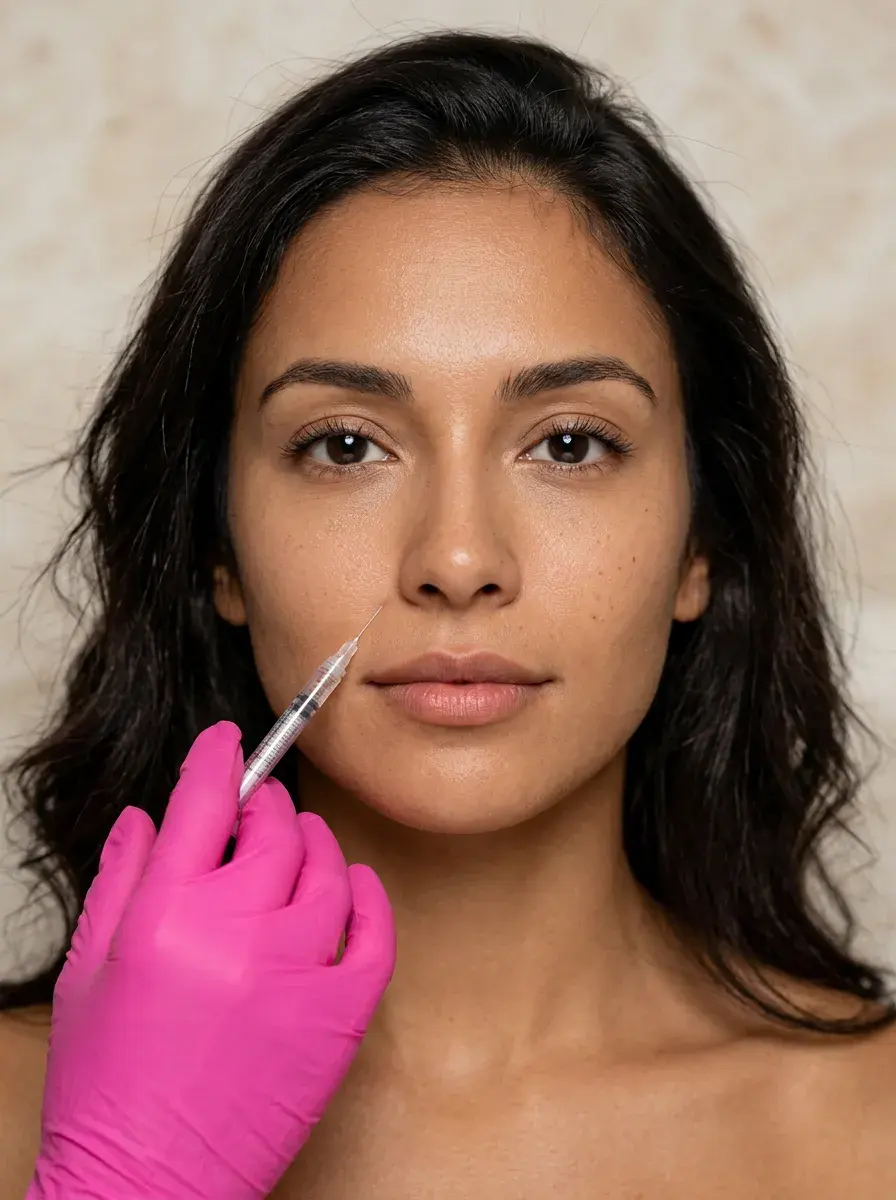
Smile Line Botox
Smile Line Botox
Consultation Required
Smile Line Botox in Pickering softens the dynamic lines around the mouth. RN-led care from Victoria Rose Cyr, RN, BScN. Book a consultation.…
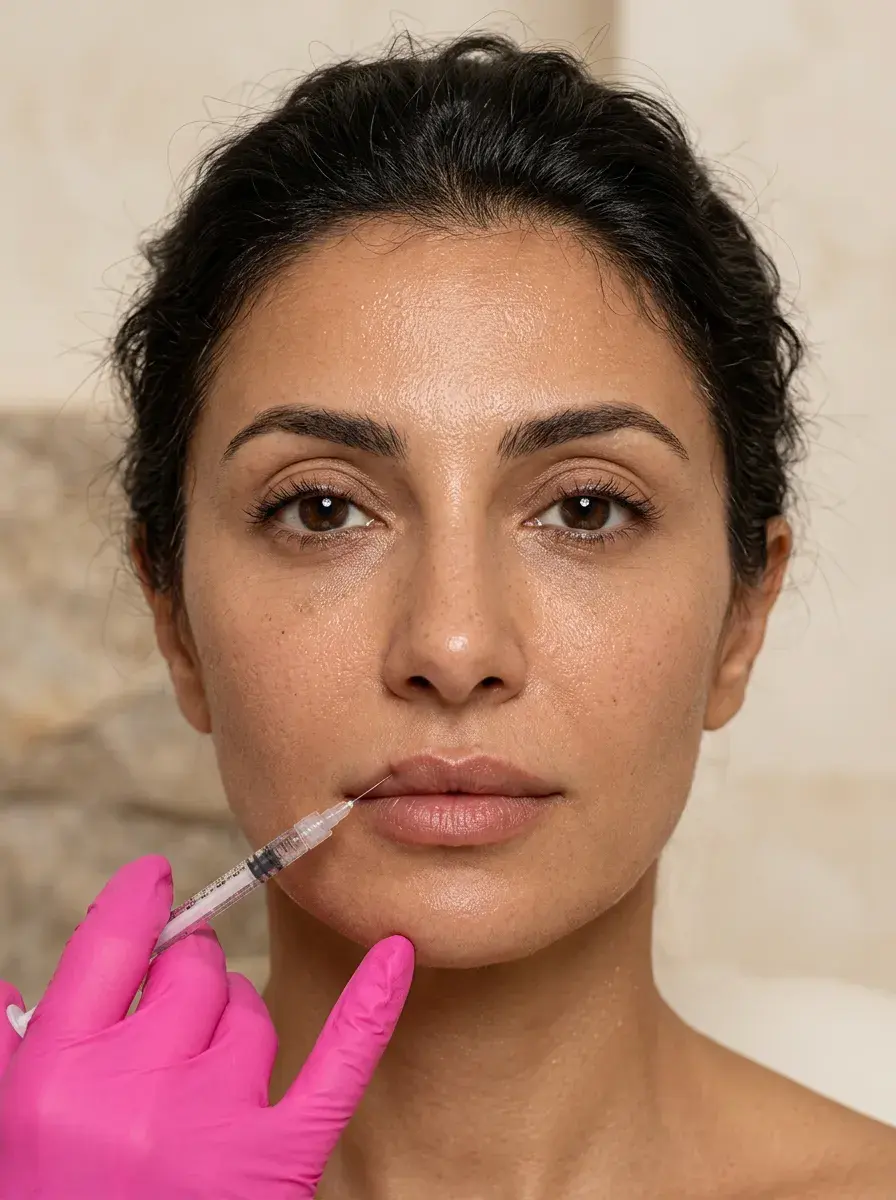
Gummy Smile Botox
Gummy Smile Botox
Consultation Required
Gummy Smile Botox in Pickering to reduce excessive gum show. RN-led care by Victoria Rose Cyr, RN, BScN. Book a consultation.…
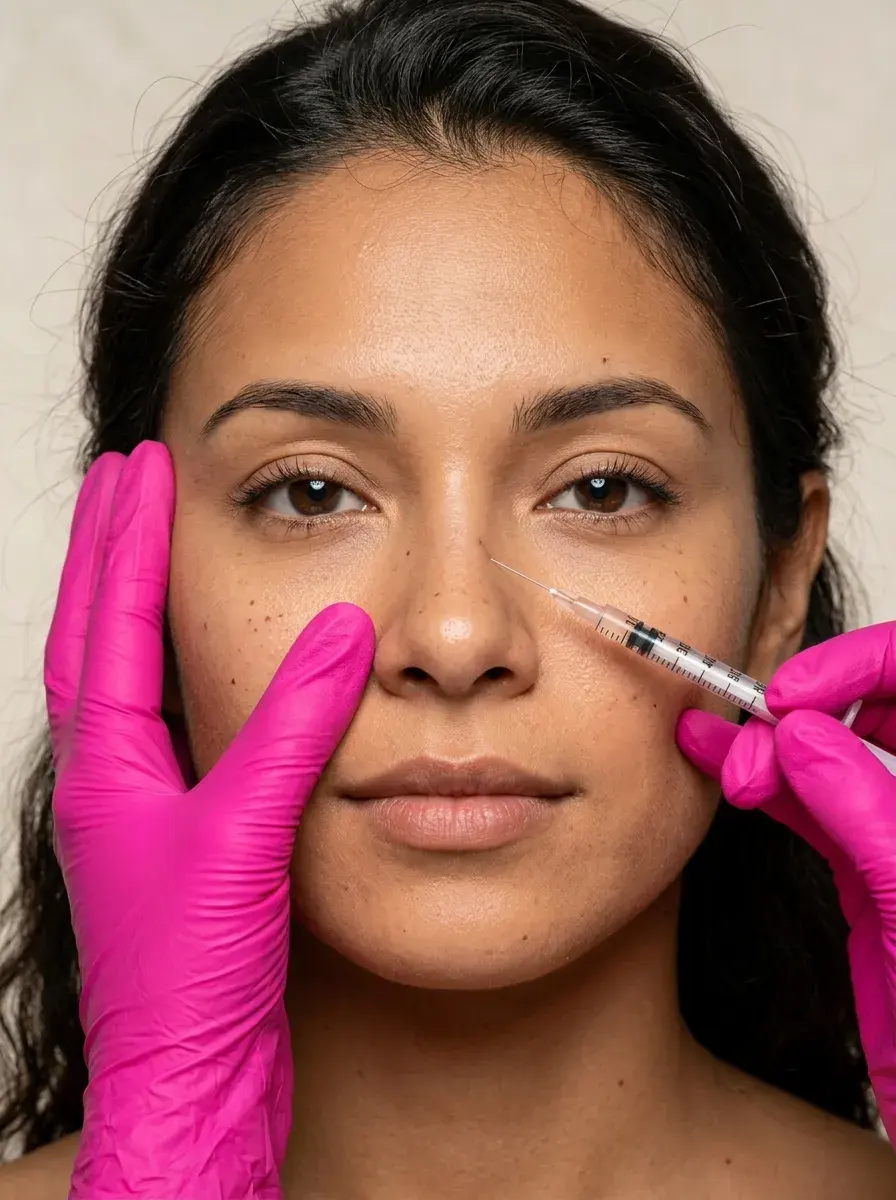
Bunny Lines Botox
Bunny Lines Botox
Consultation Required
Bunny Lines Botox in Pickering softens the nose wrinkles that appear when you smile. RN-led care from Victoria Rose Cyr, RN, BScN. Book a consultation…
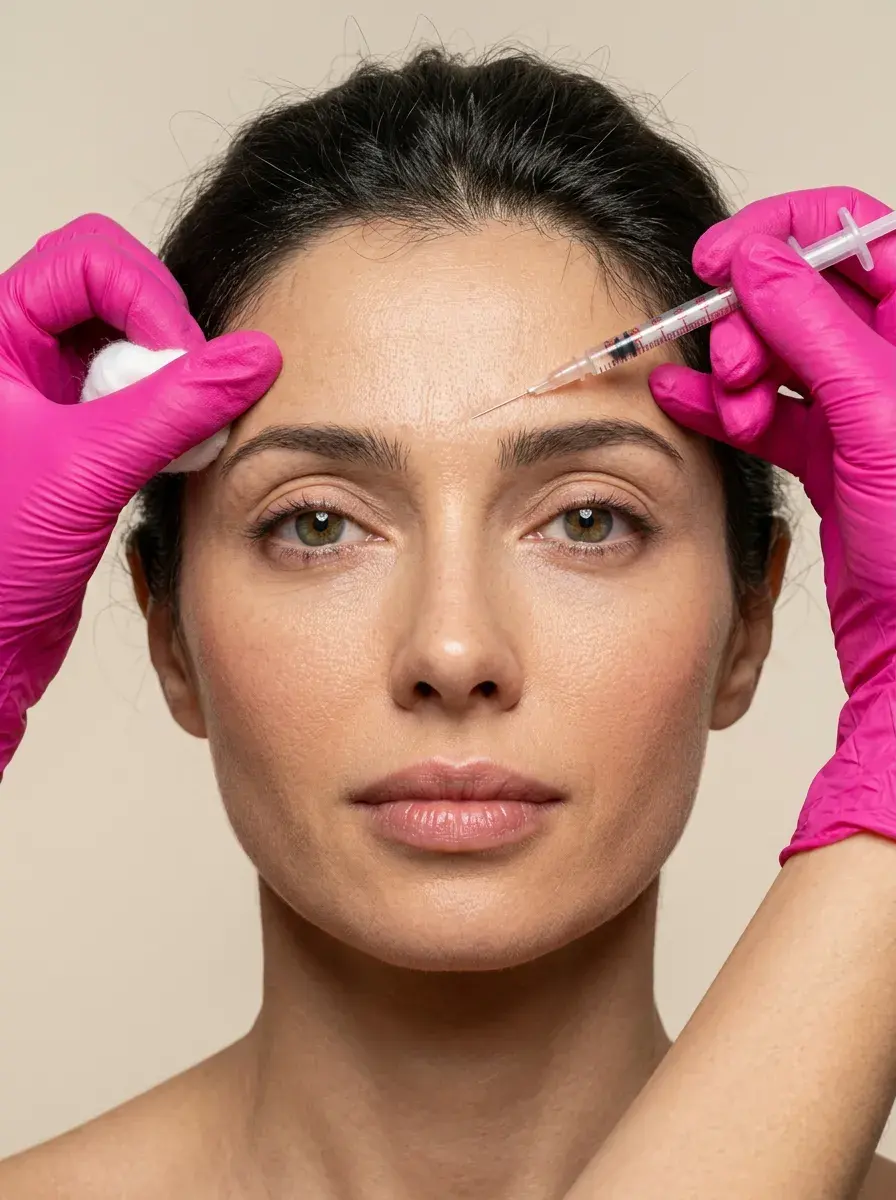
Frown Lines Botox
Frown Lines Botox
Consultation Required
Frown Lines Botox in Pickering to soften the vertical 11 lines between the brows. RN-led care from Victoria Rose Cyr, RN, BScN. Book a consultation.…
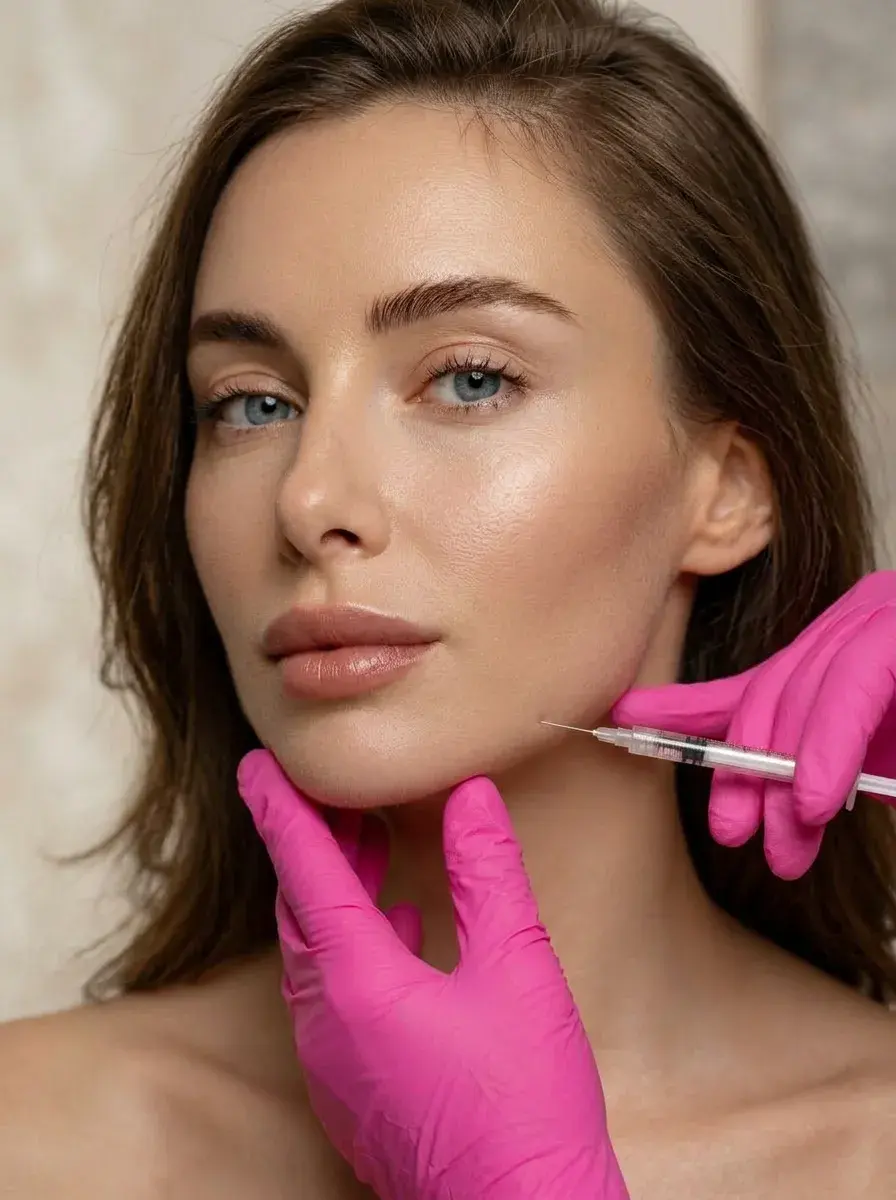
Neck Botox (Nefertiti Lift)
Neck Botox (Nefertiti Lift)
Consultation Required
Neck Botox (Nefertiti lift) in Pickering to soften platysmal bands and lift the jawline. RN-led by Victoria Rose Cyr, RN, BScN. Book a consultation.…
Botox Brow Lift
Botox Brow Lift
Consultation Required
Botox brow lift is an injectable that relaxes the muscles pulling your brow downward, allowing your brow to rise…
Masseter Botox
Masseter Botox
Consultation Required
Masseter Botox relaxes the jaw muscle to slim a square or wide jawline and ease teeth grinding, clenching, and jaw tension…
Botox for TMJ
Botox for TMJ
Consultation Required
Botox relaxes the masseter muscle to ease jaw clenching and TMJ pain while gradually slimming the jawline, all with…
Hyperhidrosis Treatment (Botox)
Hyperhidrosis Treatment (Botox)
Consultation Required
Botox injected into overactive sweat glands blocks the nerve signals that trigger excessive sweating, stopping…
Lip Flip
Lip Flip
Consultation Required
A lip flip is a small Botox injection that relaxes the muscle above your upper lip, rolling it gently outward for a…
Traptox (Trapezius Botox)
Traptox (Trapezius Botox)
Consultation Required
Traptox uses Botox to relax the trapezius muscle, slimming the neck-to-shoulder line while easing chronic tension, all…
Forehead Botox
Forehead Botox
Consultation Required
Forehead Botox in Pickering softens horizontal forehead lines while keeping natural expression. RN-led by Victoria Rose Cyr, RN. Book a consultation.…
Crow's Feet Botox
Crow's Feet Botox
Consultation Required
Crow's Feet Botox in Pickering softens the lines around the eyes. RN-led care from Victoria Rose Cyr, RN, BScN. Book a consultation.…
Chin Botox
Chin Botox
Consultation Required
Chin Botox in Pickering smooths a dimpled, orange-peel chin. RN-led care from Victoria Rose Cyr, RN, BScN. Book a consultation.…
Smile Line Botox
Smile Line Botox
Consultation Required
Smile Line Botox in Pickering softens the dynamic lines around the mouth. RN-led care from Victoria Rose Cyr, RN, BScN. Book a consultation.…
Gummy Smile Botox
Gummy Smile Botox
Consultation Required
Gummy Smile Botox in Pickering to reduce excessive gum show. RN-led care by Victoria Rose Cyr, RN, BScN. Book a consultation.…
Bunny Lines Botox
Bunny Lines Botox
Consultation Required
Bunny Lines Botox in Pickering softens the nose wrinkles that appear when you smile. RN-led care from Victoria Rose Cyr, RN, BScN. Book a consultation…
Frown Lines Botox
Frown Lines Botox
Consultation Required
Frown Lines Botox in Pickering to soften the vertical 11 lines between the brows. RN-led care from Victoria Rose Cyr, RN, BScN. Book a consultation.…
Neck Botox (Nefertiti Lift)
Neck Botox (Nefertiti Lift)
Consultation Required
Neck Botox (Nefertiti lift) in Pickering to soften platysmal bands and lift the jawline. RN-led by Victoria Rose Cyr, RN, BScN. Book a consultation.…
Skin Club for Migraine Treatment
Pair Your Wellness Treatments with Monthly Skin Care
Patients managing chronic migraines often tell us that feeling good in their skin is part of feeling well overall. Skin Club members receive a monthly professional facial, 15% off skincare products, and priority booking at every visit.
Monthly professional facial included
15% off medical-grade skincare products
Priority booking at every visit
Migraine Botox Pricing Pickering
Why Patients Choose VRA for Botox Migraine Treatment in Pickering
Therapeutic Botox for migraines works well with a clinic that knows the protocol and pays attention to the person living with the headaches.
Headache History Reviewed
Every cycle
We go through your migraine diary, triggers, and medications at each visit so the plan reflects how you are actually doing between cycles.
Standardized Protocol
Anatomy-led
A VRA injector follows the established 31-injection protocol across seven muscle groups, placed under medical oversight as required in Ontario.
Response Tracking
Cycle by cycle
We measure your migraine days against your baseline at every cycle and adjust the protocol, or loop in your physician, if you are not responding.


The right plan starts with the right assessment.
Same-week consultations. No referral required.
FAQ
Your Migraine Botox Questions,
Answered by Victoria
Everything you need to know about Botox for chronic migraines before your first appointment at Victoria Rose Aesthetics.
The Health Canada-approved PREEMPT protocol involves 31 injections across seven head and neck muscle groups: the forehead (frontalis), between the brows (corrugator and procerus), the temples (temporalis), the back of the head (occipitalis), the upper neck (cervical paraspinal), and the upper back (trapezius). Each muscle group receives a fixed unit dose at predetermined sites, and consistent placement is what produces consistent prevention. The full treatment takes about 20 to 30 minutes, and your injector reviews each site with you before starting so you understand the placement map.
Some patients notice fewer migraine days after the first cycle. Others need two to three cycles before the full preventive effect is established, so the first cycle is often treated as a loading dose. The benefit accumulates with each consistent 12-week cycle, and we compare your migraine diary against your baseline to confirm how you are responding.
OHIP does not cover Botox for chronic migraines in Ontario. However, many extended health plans, including Manulife, Sun Life, Canada Life, and Green Shield, reimburse therapeutic Botox when you meet the chronic migraine criteria of 15 or more headache days per month and have a prescription from a physician or nurse practitioner. Coverage typically requires prior authorization and documentation of failed preventive medications. We provide detailed receipts with the required treatment codes for your submission and can guide you on what your insurer will need.
A referral is not always required to be treated. However, if you are seeking insurance coverage, a prescription from your family physician or neurologist is typically needed. We can help guide you through the process during your consultation.
Cosmetic Botox is used for aesthetic concerns like wrinkles and facial shaping. Therapeutic Botox follows a standardized medical protocol for chronic migraine prevention. The product is the same, but the injection pattern, dosing, and goals are entirely different.
Botox for migraines does not typically worsen migraine frequency or severity. Some patients experience mild injection-site soreness, neck stiffness, or a temporary headache within the first 24 to 48 hours, but these are short-term and not a worsening of the underlying pattern. A small subset of patients may not respond, in which case migraine frequency stays at baseline rather than improving. Your injector tracks your migraine diary at each cycle and adjusts the protocol or refers back to your prescribing physician if you are not responding.
Mild cosmetic softening is common because the migraine protocol places therapeutic Botox in the forehead, glabella, and temples, which overlap with cosmetic injection zones. Many patients notice smoother forehead lines and softened frown lines within two to four weeks. The protocol is designed for prevention, not facial reshaping, and dosing in expressive areas is kept conservative to preserve natural movement. Your injector reviews each site at your consultation so you know which areas may show cosmetic change, and significant facial change is not an expected outcome of the standard treatment.
Most patients describe the injections as a quick pinch or sting at each site. The needle is very fine (30-gauge) and each injection takes about a second. The forehead and temple sites are typically the most comfortable, while the upper neck and trapezius sites can feel sharper because the muscles are deeper. The full 31-injection protocol takes 20 to 30 minutes, and ice or topical numbing is available on request. Most patients find the discomfort manageable and brief.
Yes, you can drive immediately after treatment. There is no sedation or numbing medication that affects vision or reflexes, so most patients drive themselves home and return to work the same day. We advise avoiding strenuous exercise and heat for the rest of the day, and not lying flat for four hours, to keep the product in the injected muscles. Normal activity resumes right away.