
Under-Eye Bags & Dark Circles
The shadow that stays regardless of sleep.
A shadow sits beneath each eye and refuses to lift, even after a full night. Concealer settles into the hollow instead of covering it. The under-eye is some of the thinnest skin on the body, and the shadow is rarely about being run down. Often it is geometry, not pigment.

Under-Eye Bags & Dark Circles
The shadow that stays regardless of sleep.
A shadow sits beneath each eye and refuses to lift, even after a full night. Concealer settles into the hollow instead of covering it. The under-eye is some of the thinnest skin on the body, and the shadow is rarely about being run down. Often it is geometry, not pigment.
CONCERN & CAUSES
Why Under-Eye Shadows Form
Most patients arrive convinced their dark circles are pigment. A small portion are. The majority are something else entirely, and each mechanism responds to a different approach once the assessment separates them.
01
Structural Shadow from Volume Loss
As the medial cheek pad descends and orbital fat shifts, the tear-trough deepens into a groove. The hollow casts its own shadow under overhead light, the common cause past thirty-five.
02
Vascular Show-Through
The skin here is roughly half a millimetre thick. Small veins and the orbicularis muscle sit close to the surface, and that bluish-purple tone reads through clearly, especially in fairer skin tones.
03
Pigment
True hyperpigmentation, marks left by eczema or allergies, periorbital melasma, and inherited patterns in deeper tones. It is by far the smallest cause, and the one that brightening can help.
04
Crepe and Laxity
Thin, finely lined skin scatters light differently than smooth skin does. Sun exposure, rubbing, and steady collagen loss all contribute, leaving a tissue-paper texture that no concealer can hide.
Treatment Benefits
Targeted Protocols for the Under-Eye in Pickering
A tear-trough consultation is half diagnosis. Victoria, an RN with over a decade of clinical experience, separates how much of the shadow is structural, vascular, pigment, or skin quality, then builds a phased plan around what is actually in play.
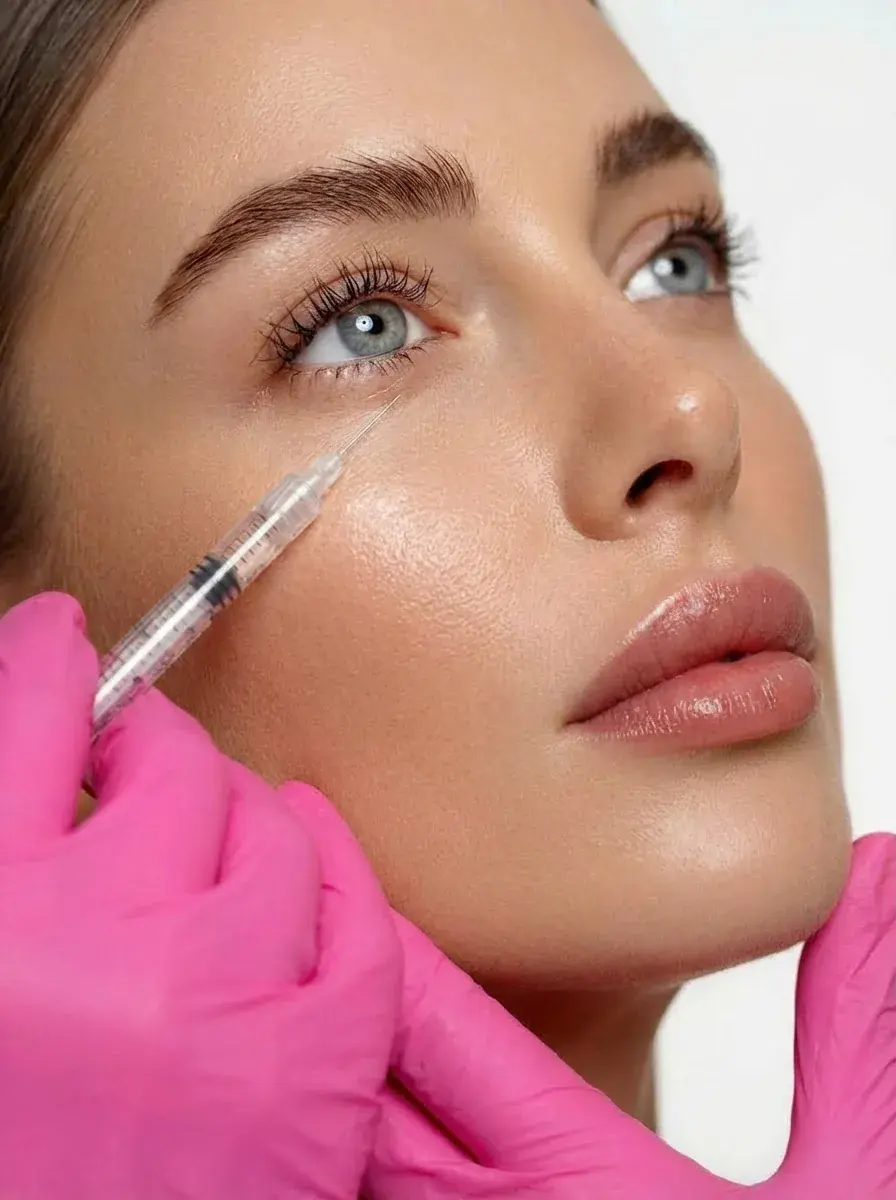
Under-Eye Tear-Trough Treatment
A hyaluronic acid injection placed deep against the bone in the tear-trough hollow, restoring volume so the skin above is supported and the structural shadow lifts.
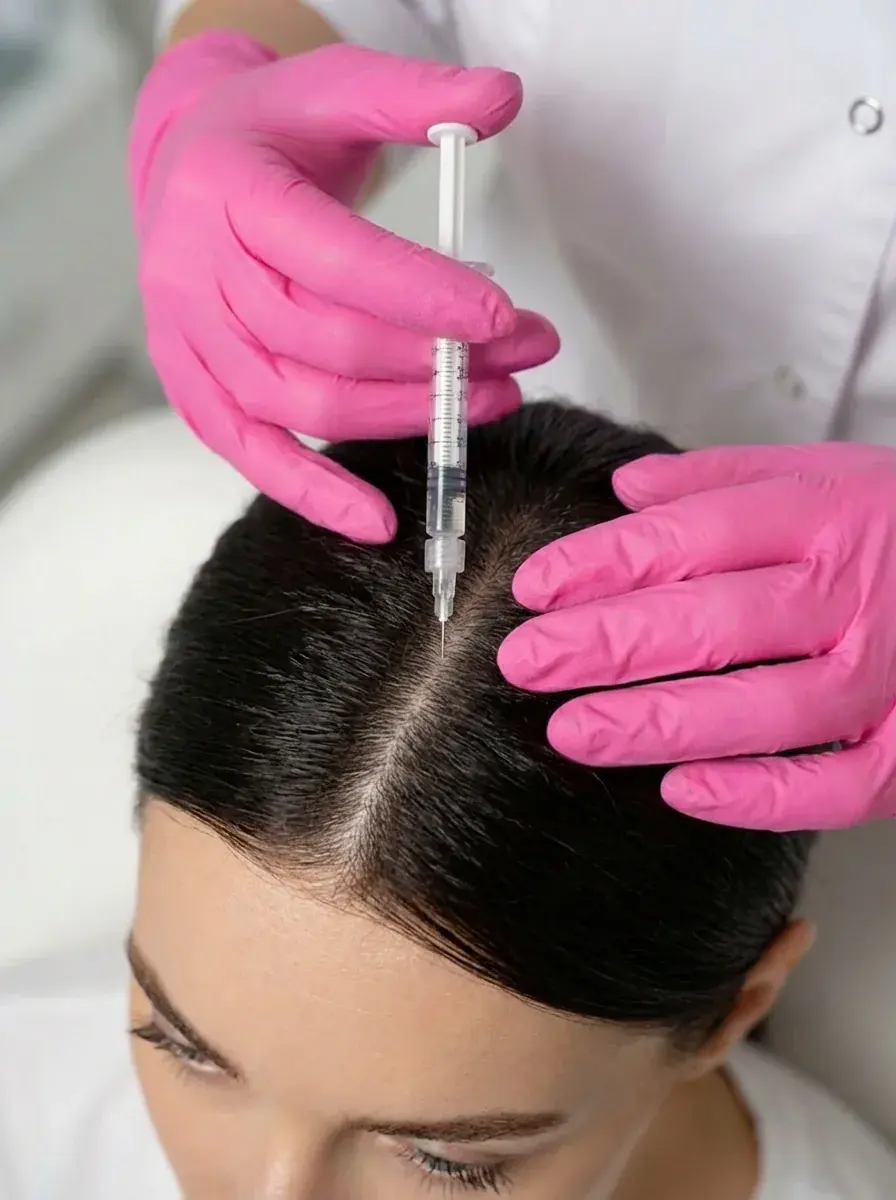
PRP Therapy
A treatment using platelet-rich plasma drawn from your own blood, concentrated and injected into the under-eye skin to improve quality from within.
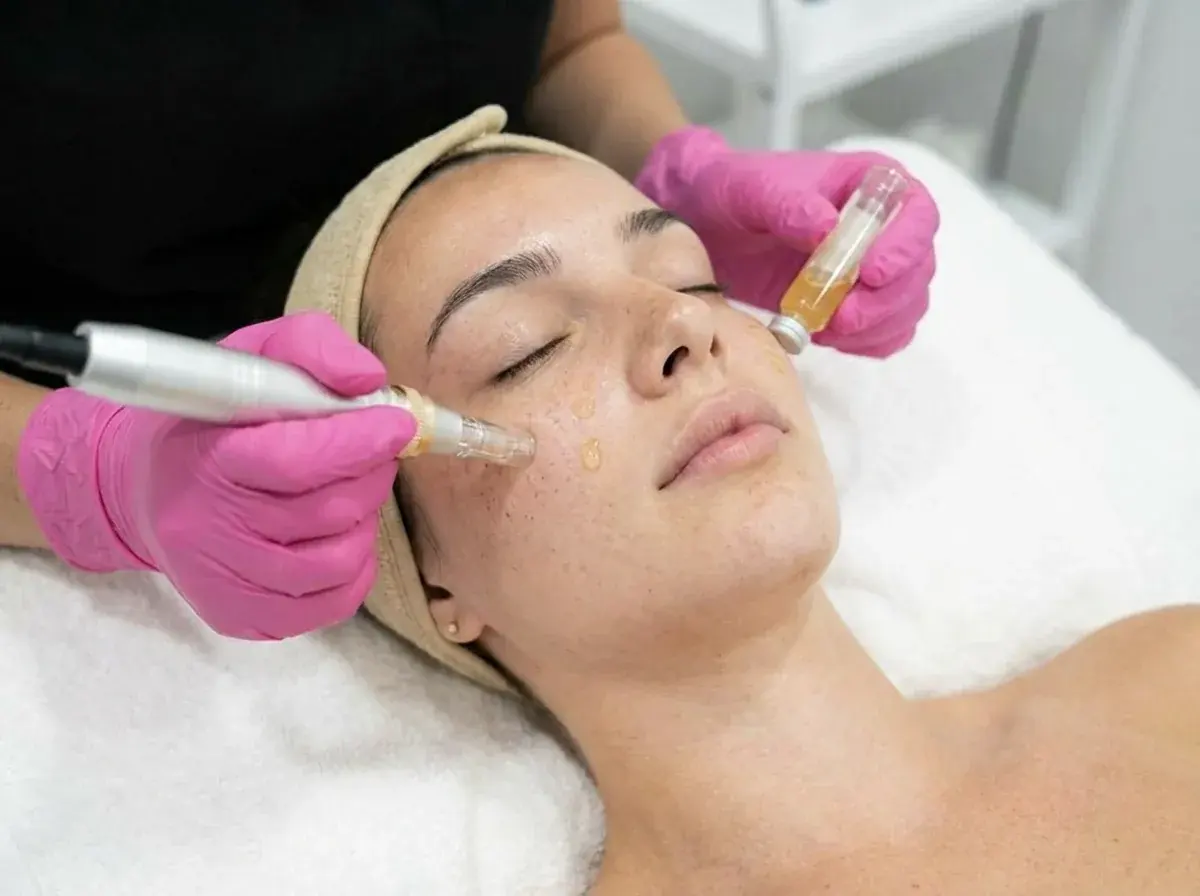
Microneedling with PRP
A microneedling treatment that creates controlled micro-channels in the under-eye skin, with platelet-rich plasma delivered into them to accelerate collagen remodelling.
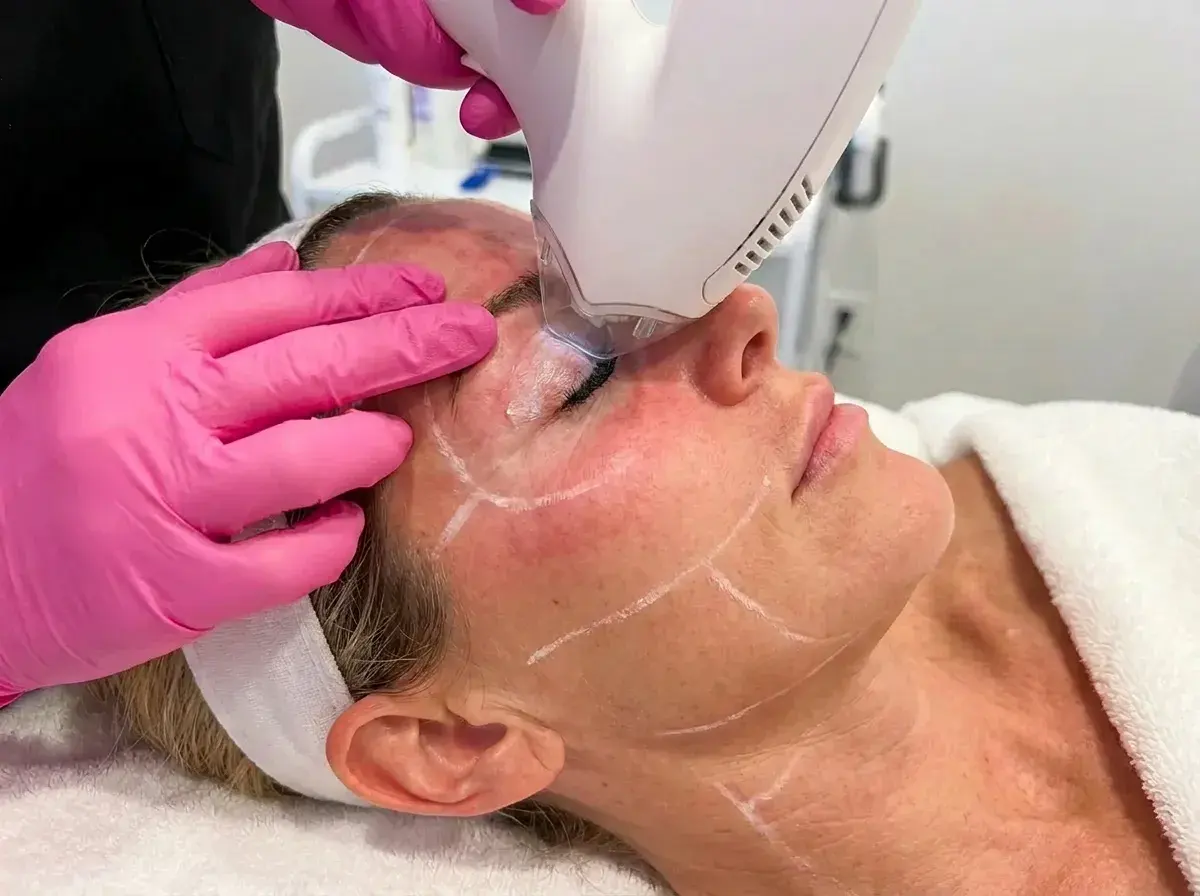
Tixel Treatment
A thermal-energy treatment that uses a heated titanium tip to stimulate the upper dermis around the eye, tightening lax skin and smoothing fine crepe lines.
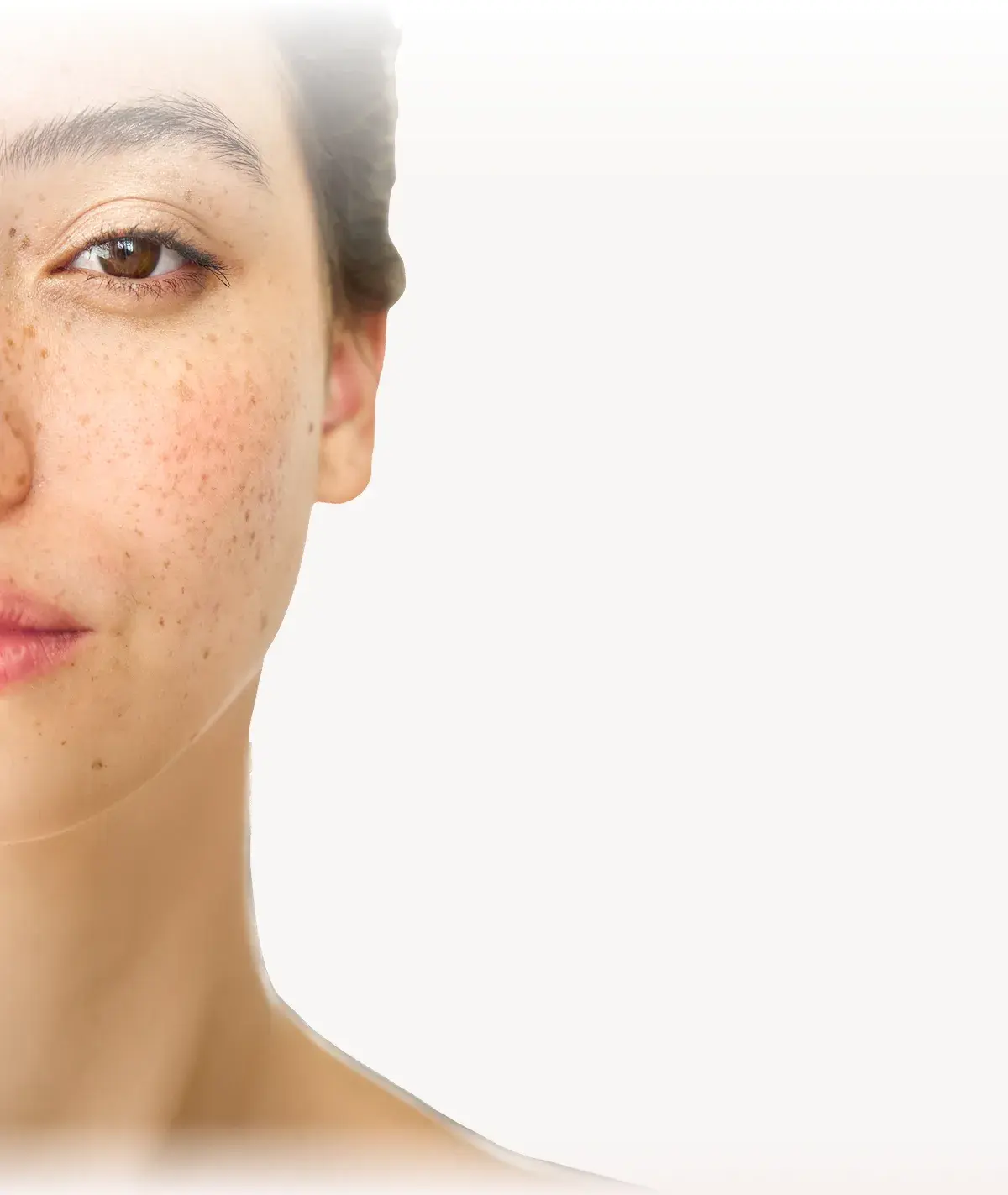
How to Protect the Under-Eye After Treatment
In-clinic results hold longer when the skin around the eye is cared for daily. The periorbital area is thin and reactive, so the routine below stays gentle and consistent rather than aggressive, and that is how you carry the result.

Cleanse Gently

Treat Daily

Hydrate the Barrier

Mask Strategically

Protect Daily
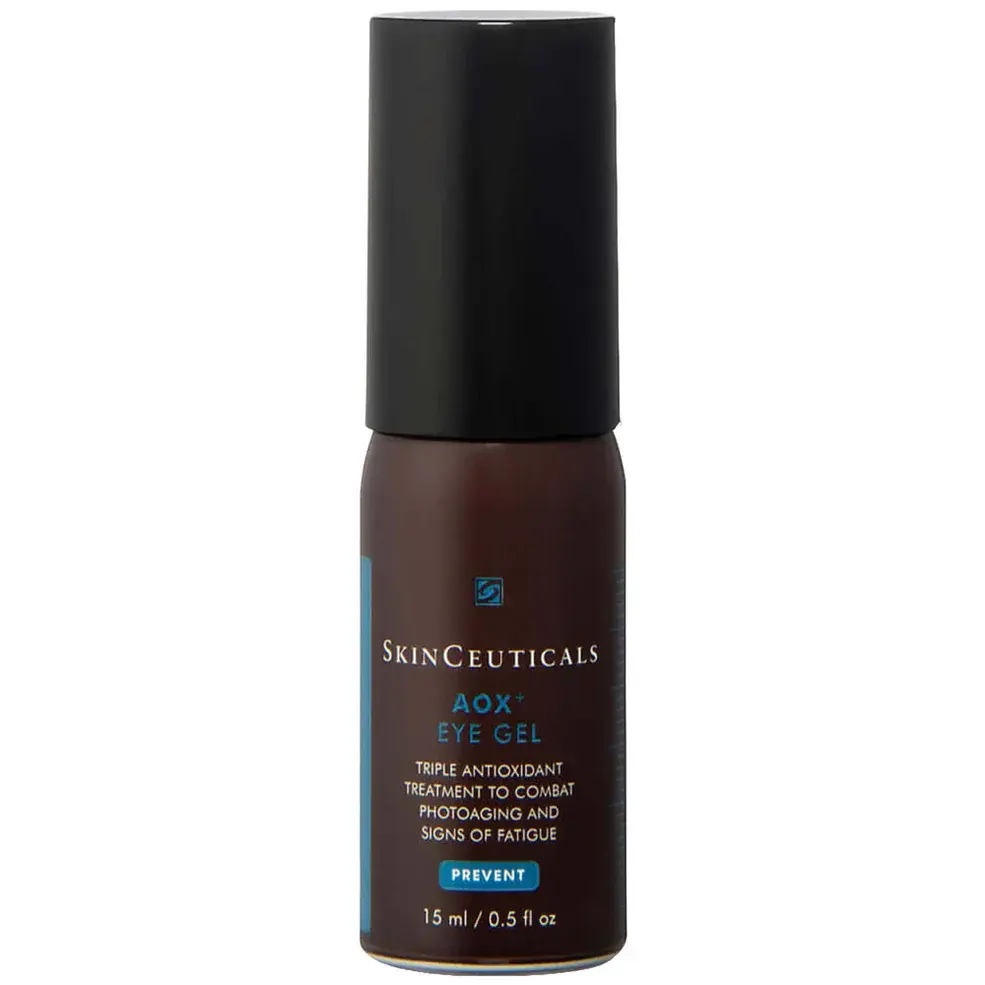
Recommended Skincare Protocol
AOX+ Eye Gel
A lightweight antioxidant eye gel that offers daily environmental protection around the eye while reducing the look of puffiness, visible fatigue, and under-eye circles between treatments.




.webp&w=3840&q=75)




Skin Club Membership
Join the Skin Club
Exclusive Savings on Every Visit.
Beautiful skin is a long-term commitment, and Skin Club membership makes that commitment rewarding. Members receive preferred member pricing, priority booking with their preferred practitioner, and a personalized treatment roadmap so results keep building with every visit.
Discounted treatment packages and member-only pricing
Priority booking and scheduling with your preferred practitioner
Complimentary skin assessments & personalized treatment plans


The right plan starts with the right assessment.
Same-week consultations. No referral required.
FAQ
Common Questions About
Under-Eye Treatment
Hyaluronic acid placed in the tear-trough typically lasts twelve to eighteen months, longer than the same product in more mobile areas. The under-eye is a low-movement zone, so product breaks down slowly. Victoria uses small volumes and reassesses at six months before considering a touch-up.
Only when the dark circle is caused by a structural shadow from volume loss. If the issue is vascular show-through, pigment, or thin skin, a hyaluronic acid injection will not improve the colour and may even make it worse. The assessment determines the right approach long before any product is chosen.
Topical numbing is applied beforehand, and the hyaluronic acid Victoria uses contains lidocaine. Most patients describe pressure rather than pain. Bruising is the more common discomfort, and an ice pack at home for the first day usually handles it.
A bluish discolouration that appears when hyaluronic acid is placed too superficially under thin skin. Light scatters through the product and reads as blue at the surface. It is correctable with hyaluronidase, but the better approach is to place product deep enough that it never happens.
Most patients return to work the next day. Bruising and minor swelling can last three to seven days, and concealer covers it. Strenuous exercise, alcohol, and blood thinners increase bruising risk, so Victoria asks you to pause those for forty-eight hours before treatment.
Sleep, hydration, salt intake, alcohol, and allergies all affect under-eye appearance. Mild lymphatic puffiness can shift the geometry of the area day to day. A structural hollow consistently visible regardless of sleep is a different problem than puffiness that comes and goes.
Yes, and many patients benefit from a layered approach. Skin-quality treatments like PRP, microneedling with PRP, or Tixel address the surface, while a small amount of hyaluronic acid addresses the structural hollow. Your practitioner sequences treatments so each builds on the last.
Pricing depends on the treatments selected and how much product is needed. Tear-trough work is usually quoted per syringe, and skin-quality protocols are priced per session or as packages. Victoria provides a full cost outline at consultation.
A targeted eye product helps with surface puffiness, mild crepe, and daily environmental protection, and it supports any in-clinic result. It cannot lift a structural shadow caused by volume loss, and it will not correct vascular show-through. Victoria pairs the right at-home product with the treatment that addresses the underlying mechanism.
No. A tear-trough consultation is half diagnosis, and not every under-eye is a candidate on the first visit. Your practitioner evaluates how much of the shadow is structural, vascular, pigment, or skin quality, tests with light from above and below, and will tell you honestly which treatment, if any, is the right next step.