Laser Rosacea Treatment
- •Reduce Facial Redness
- •Target Visible Vessels
- •Long-Term Control
- •Sensitive Skin Safe
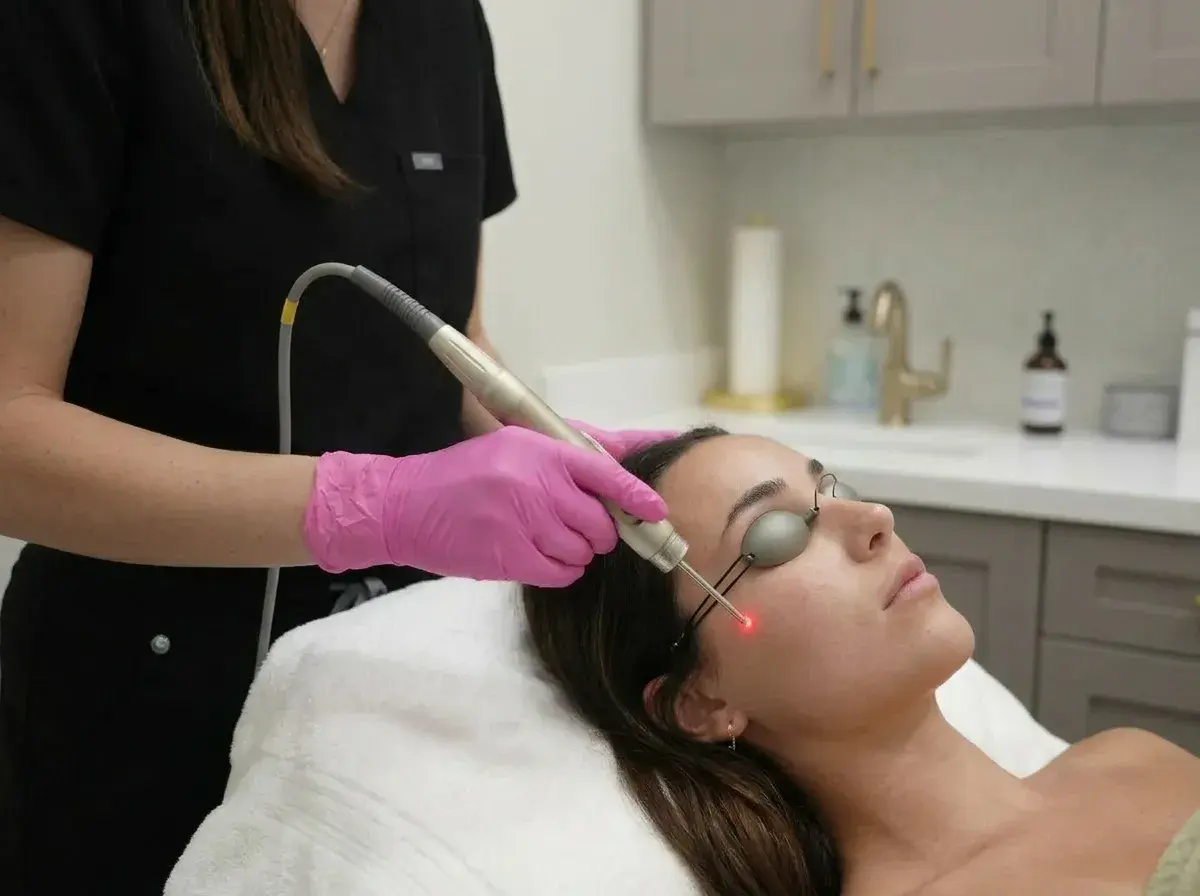
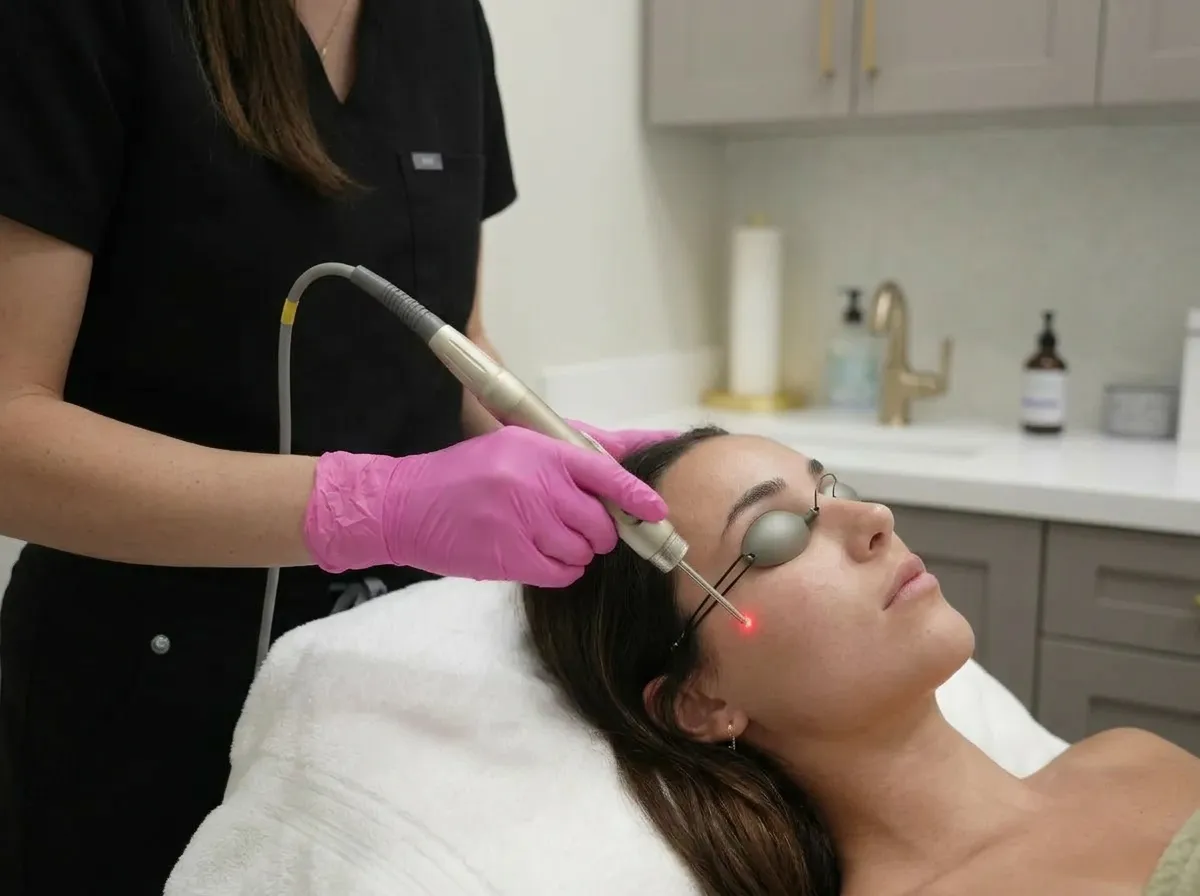
A vascular laser treatment that reduces facial redness, visible blood vessels, and flushing reactivity through a series of sessions spaced weeks apart, with results building progressively and lasting 6 to 12 months. As a laser treatment for red, reactive skin, it can also help calm the bumps and inflammation of acne (papulopustular) rosacea.
4.8★ 163 Reviews
- Reduce Facial Redness
- Target Visible Vessels
- Long-Term Control
- Sensitive Skin Safe
Rosacea Treatment Areas
What Laser Rosacea Treatment Treats

Diffuse Facial Redness
Persistent background redness across the cheeks, nose, and chin is reduced by targeting the underlying blood vessels responsible for the chronic discolouration.
Treatments+
The Fotona Nd:YAG laser is absorbed by hemoglobin, heating and collapsing the dilated vessels behind the constant flush. Redness softens over a series.
Causes+
Widened facial blood vessels stay dilated, turning an occasional flush into constant background redness that creams cannot reach.
Laser Rosacea Results
How redness and vessels respond, session by session
After Session 1
Session 1 · early response
Some patients notice post-treatment flushing for 24 to 48 hours, followed by a period of reduced redness. First visible results often appear within one to two weeks of the first session.
After Sessions 2 to 3
Sessions 2-3 · building clearance
Background redness continues to fade, visible vessels clear further, and flushing becomes less frequent. Most patients see significant improvement by the second or third session.
Maintenance (Every 6 to 12 Months)
Every 6 to 12 months · upkeep
Rosacea is a chronic condition, so results are maintained with periodic sessions rather than a one-time fix. Returning every 6 to 12 months and managing your triggers keeps redness and reactivity under control.
The VRA Experience
Why Patients Choose VRA for Laser Rosacea Treatment
Victoria Rose Cyr, RN, BScN, brings over a decade of clinical experience, plus years spent teaching it, first in the classroom and now as a national clinical trainer for a respected aesthetics brand. Today that expertise goes into her Pickering practice and the team of experts she's built around it.
Victoria Rose Cyr is a Registered Nurse (BScN) and the founder of Victoria Rose Aesthetics, with 10 years of clinical experience, six years running her own practice, and five years as a national clinical trainer. She sets the clinical standard every treatment at VRA is held to.
Victoria trains physicians, nurses, and injectors across Canada in precise, evidence-based technique, and brings that same standard to every treatment her team delivers at VRA.
Rosacea-prone skin is treated with settings chosen for reactive skin by a trained VRA practitioner, working to the standard Victoria sets.
Patient Reviews
What Our Patients Say
Honest words from patients at Victoria Rose Aesthetics in Pickering.
I recently had a Sofwave treatment at Victoria Rose Aesthetics and the entire experience exceeded my expectations. From the moment I walked in, the space felt elevated, welcoming, and incredibly…
Antonella Calandra
Victoria Rose Aesthetics · Pickering
Treatment Process
Laser Rosacea Treatment Process
From your first consultation through sylfirm x rf, here is exactly what to expect at every step of your Laser Rosacea Treatment at Victoria Rose Aesthetics.
Step 01 · Consultation
Consultation and Rosacea Assessment
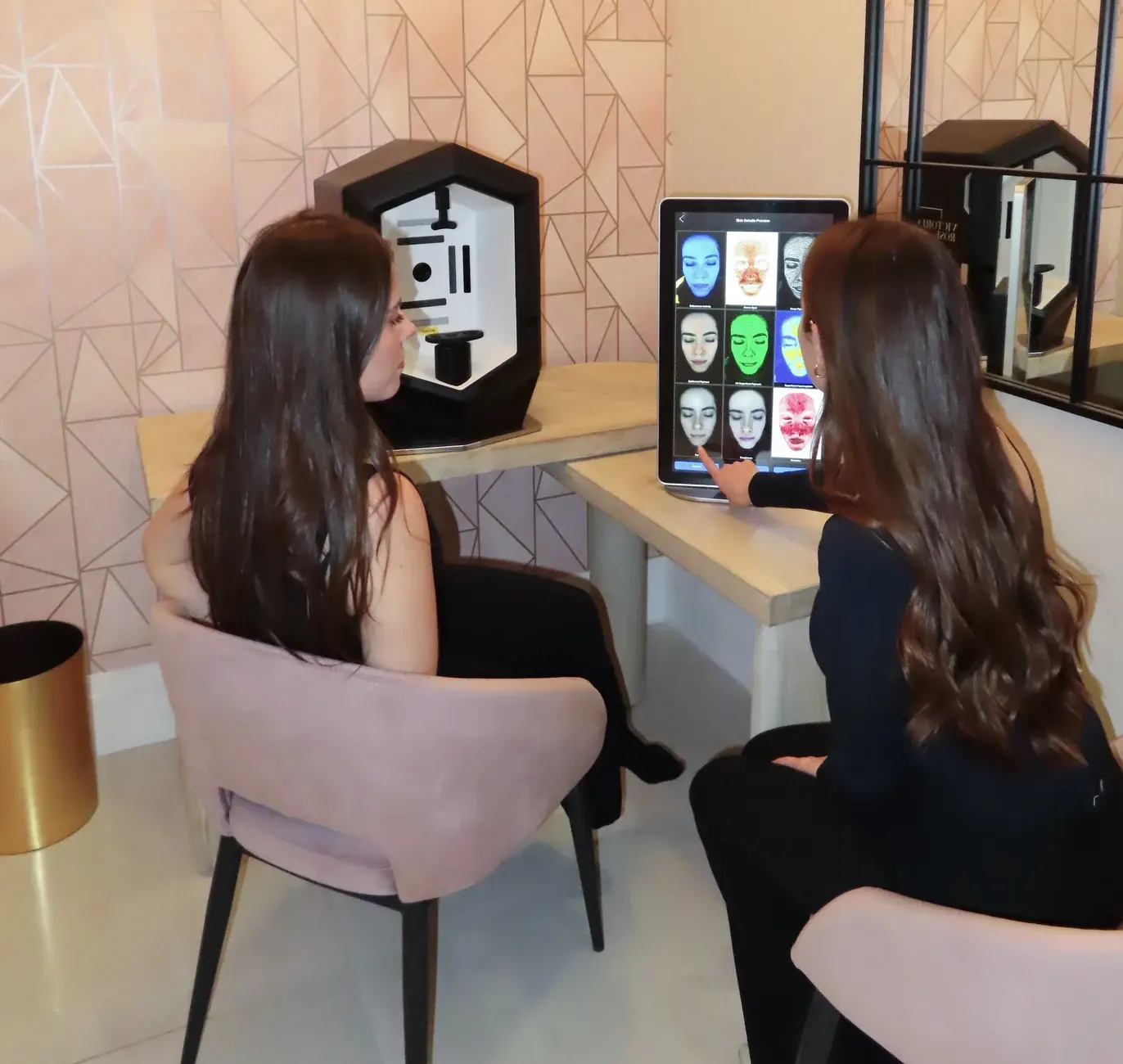
Your practitioner assesses your rosacea subtype, severity, triggers, and skin sensitivity, then selects the appropriate device combination and parameters based on your presentation and discusses expected outcomes, all to the standard Victoria sets.
- Rosacea subtype, severity, and triggers assessed
- Device combination and settings selected for you
- Expected outcomes and questions discussed
Skin Club for Rosacea Treatment
Save on Every Rosacea Treatment Session
Rosacea requires ongoing management. Skin Club preferred pricing makes consistent laser treatment more affordable.
Preferred pricing on all laser treatments
Annual treatment planning session
Complimentary skin sensitivity assessment at each visit

Rosacea Laser Pricing Pickering
Why Patients Choose VRA for Laser Rosacea Treatment in Pickering
Rosacea laser needs careful calibration: effective enough to reduce redness, gentle enough not to trigger a flare, and that balance is the heart of how VRA approaches every session.
Dual-Device Approach
Full picture
Fotona Nd:YAG for visible vessels and redness, with Sylfirm X added when flushing and reactivity call for it, so your protocol matches your rosacea.
Settings for Reactive Skin
Calibrated
Parameters are chosen conservatively for rosacea-sensitive skin and reassessed each visit, with treatment postponed if your skin is actively flaring.
Support Beyond the Laser
Whole plan
Every session comes with lifestyle and topical guidance on managing triggers like heat, alcohol, and UV, so the result holds longer between visits.


The right plan starts with the right assessment.
Same-week consultations. No referral required.
FAQ
Your Rosacea Laser Questions,
Answered by Victoria
Everything you need to know about laser rosacea treatment before your appointment at Victoria Rose Aesthetics.
Yes. Vascular laser is a well-established clinical option for the redness and visible vessels rosacea produces. Topical prescriptions can calm inflammation, but they do not close the dilated blood vessels that create the persistent flush. At Victoria Rose Aesthetics in Pickering we use the Health Canada-approved Fotona Nd:YAG vascular laser to selectively heat and collapse those vessels, and add Sylfirm X pulsed-wave RF when vascular reactivity and flushing are significant. Treatment is calibrated to your rosacea subtype, severity, and skin sensitivity.
Most patients see significant improvement over 3 to 5 sessions spaced 4 to 6 weeks apart. Maintenance every 6 to 12 months is recommended, as rosacea is a chronic condition. The frequency depends on your rosacea subtype and severity.
We primarily use the Fotona Nd:YAG vascular laser for visible vessels and diffuse redness. For patients with significant vascular reactivity and flushing, we add Sylfirm X dual-wave RF to address the underlying vascular proliferation. Both devices are Health Canada-approved and calibrated for rosacea-prone skin.
Laser performed with the wrong parameters or on actively flaring skin can temporarily worsen rosacea. We always assess skin condition before every session and will postpone treatment if the skin is in a reactive state.
Not for the vascular signs of rosacea. CO2 is an ablative resurfacing laser built for texture, fine lines, and scarring, and it can aggravate active rosacea rather than calm it. It does not selectively target the dilated vessels driving the redness. The clinical tools for rosacea redness and visible vessels are vascular lasers and RF platforms, which is why we use the Fotona Nd:YAG vascular laser and add Sylfirm X pulsed-wave RF where flushing is significant.
Most patients describe it as mildly uncomfortable and tolerable. With the Fotona Nd:YAG vascular laser the sensation is a quick snapping or warm flick on the skin as each pulse fires, similar to a rubber band tap. A cooling gel is applied before the laser pass and topical numbing is available for sensitive patients. The Sylfirm X RF stage, when added, feels like warm pressure with light prickling. Mild redness and warmth for a few hours afterward are normal.
We recommend avoiding makeup for 24 hours post-treatment. Mineral-based makeup is acceptable from day 2 if needed for social commitments.
Common rosacea triggers include heat, spicy food, alcohol, UV exposure, and stress. Managing your triggers alongside laser treatment gives the longest-lasting result. We discuss your personal triggers at your consultation.
Yes, when calibrated correctly for your skin. Fotona Nd:YAG and Sylfirm X are both established devices for rosacea-prone skin. The key is appropriate settings, a conservative approach, and post-treatment SPF.
Laser does not cure rosacea, but it clears the visible signs that bother most patients, the persistent facial redness, broken capillaries, and flushing reactivity. Rosacea is a chronic condition with a vascular and inflammatory component, so the underlying tendency remains, which is why maintenance matters. Most patients see significant clearance over 3 to 5 sessions, then return every 6 to 12 months. Managing triggers like heat, alcohol, and UV exposure protects the result.