Under Eye Filler
- •Restore Under-Eye Volume
- •Reduce Dark Circles
- •Cannula Technique
- •Minimal Downtime
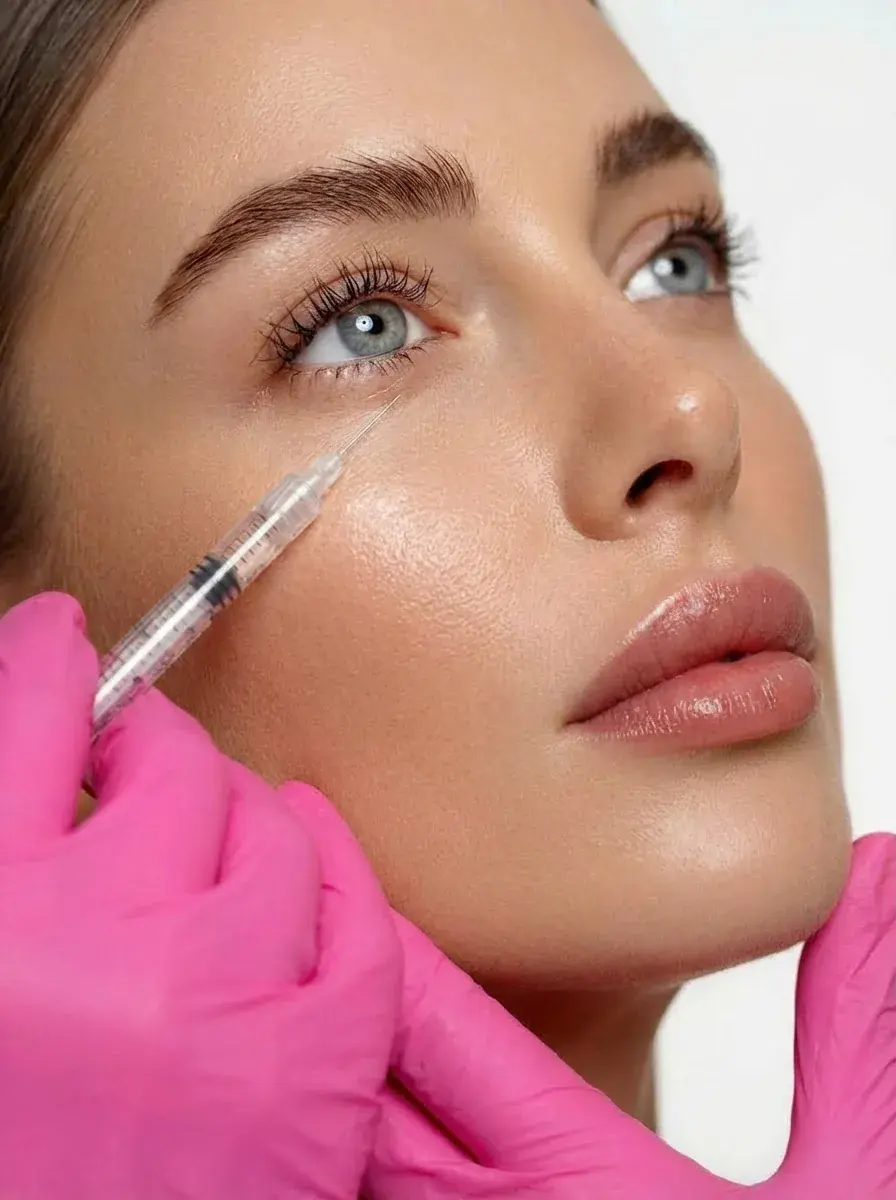
Under-eye filler is a hyaluronic acid injection that restores volume beneath the eyes to soften shadows and hollowness, leaving you looking rested rather than tired, placed with a gentler cannula technique and minimal downtime.
4.8★ · 163 Reviews
- Restore Under-Eye Volume
- Reduce Dark Circles
- Cannula Technique
- Minimal Downtime
Under Eye Filler Treatment Goals
What Under Eye Filler Treats

Hollow Tear Troughs
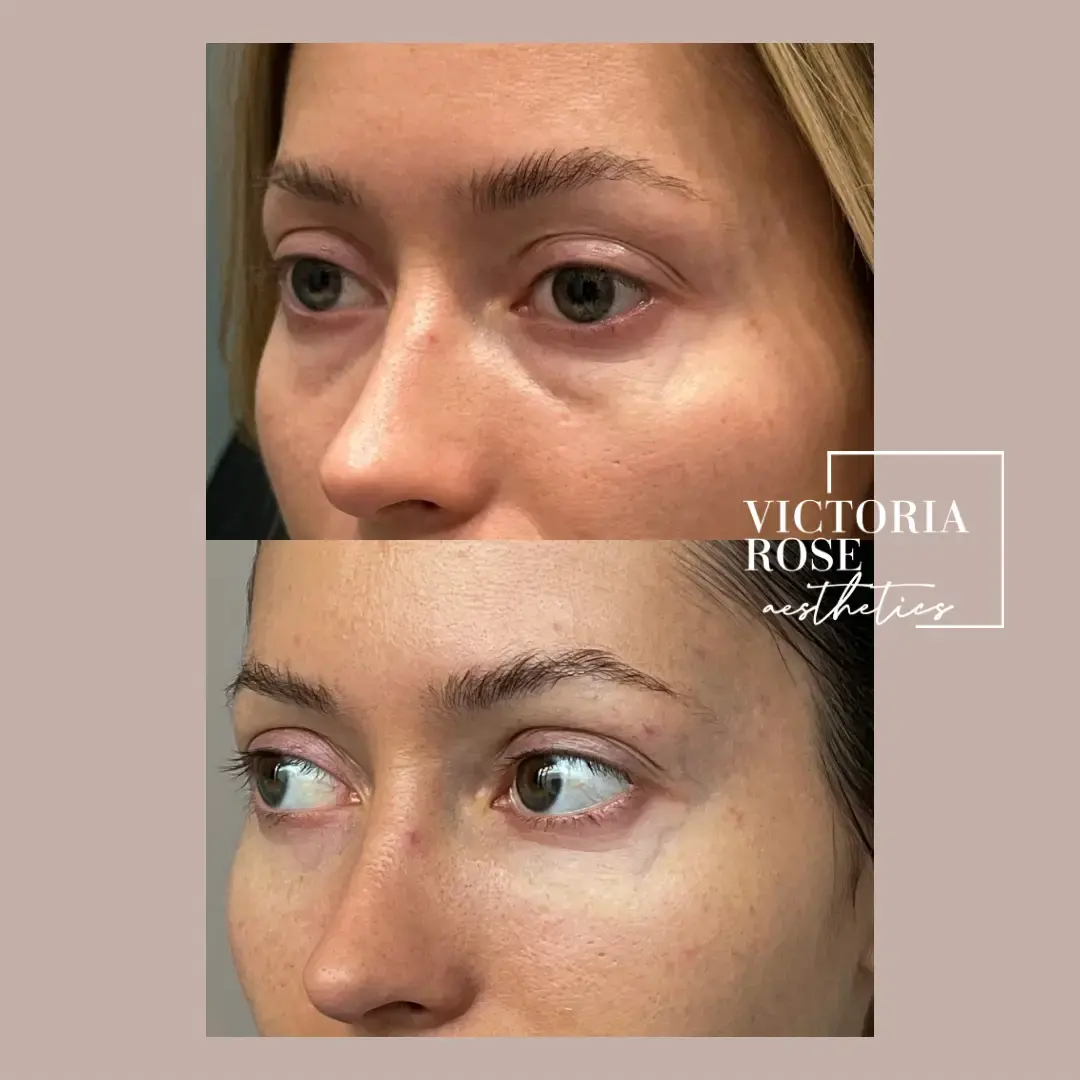
Volume loss along the tear trough creates a deep groove between the lower eyelid and cheek that shadows the under-eye area. Carefully placed hyaluronic acid injections restore this volume and soften the transition.
Treatments+
A small amount of soft hyaluronic acid is placed along the groove to restore lost volume, softening the shadow. Most need 0.5 to 1 syringe.
Causes+
Fat pads beneath the eye thin and midface support weakens with age, deepening the groove so it casts a shadow.
Under Eye Filler Results
What to expect, from the first day through to settled results
Immediate (Day 1)
Day 1 · minimal downtime
Volume restoration is visible right away. Some swelling and mild bruising are common in this area and may last 5 to 10 days. Avoid rubbing the eye area or sleeping face-down for the first 24 to 48 hours.
First Two Weeks
First 2 weeks · settling
Swelling resolves gradually as the product integrates with the surrounding tissue. Some patients notice residual puffiness until day 10 to 14. The area should not be judged for its final result until swelling has fully resolved.
Peak Results (Weeks 2 to 18 Months)
Settled · lasts 12 to 18 months
Once swelling has settled, the under-eye looks rested and natural, and results typically last 12 to 18 months. The low muscle activity in this area helps the filler break down more slowly than in dynamic zones. Maintenance is usually discussed around the 12-month mark.
The VRA Experience
Why Patients Choose VRA for Under Eye Filler
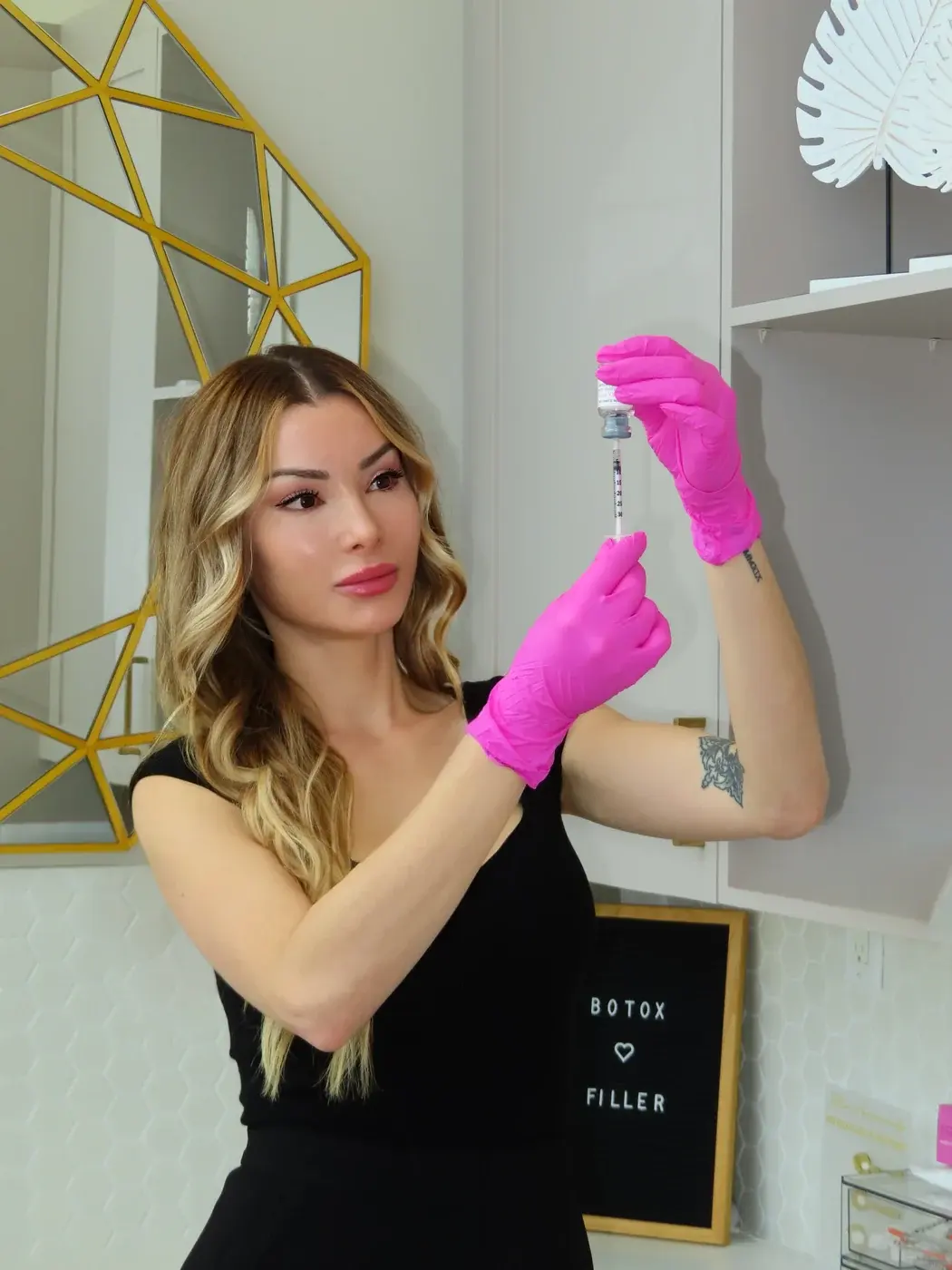
Victoria Rose Cyr, RN, BScN, brings over a decade of clinical experience, plus years spent teaching it, first in the classroom and now as a national clinical trainer for a respected aesthetics brand. Today that expertise goes into her Pickering practice and the team of experts she has built around it.
Victoria Rose Cyr is a Registered Nurse (BScN) and the founder of Victoria Rose Aesthetics, with 10 years of clinical experience, six years running her own practice, and five years as a national clinical trainer. She sets the clinical standard every treatment at VRA is held to.
Victoria is a clinical trainer for Nuceiva and Teosyal, mentoring physicians, nurses, med spa owners, and injectors across Canada in precise, evidence-based technique.
The under-eye is one of the more demanding areas to treat, so it's assessed carefully and filled conservatively by an experienced VRA injector under medical oversight.
Patient Reviews
What Our Patients Say
Honest words from patients at Victoria Rose Aesthetics in Pickering.
I recently had a Sofwave treatment at Victoria Rose Aesthetics and the entire experience exceeded my expectations. From the moment I walked in, the space felt elevated, welcoming, and incredibly…
Antonella Calandra
Victoria Rose Aesthetics · Pickering
Treatment Process
Under Eye Filler Treatment Process
From your first consultation through maintenance, here is exactly what to expect at every step of your Under Eye Filler at Victoria Rose Aesthetics.
Step 01 · Consultation
Consultation and Under-Eye Assessment
We assess your under-eye anatomy including skin thickness, fat pad position, existing hollowness, and whether hyaluronic acid injections are the right treatment for your concern. Not all dark circles or under-eye concerns are injection-appropriate. Your nurse will give you an honest recommendation.
- Skin thickness, fat pads, and hollowness assessed
- We confirm whether filler suits your concern
- An honest recommendation, even if it is no

Treatment Areas
Areas We Treat with Dermal Filler
Each area is its own treatment with its own technique and dosing, and many patients combine areas in a single coordinated session. Explore each treatment below, or book a consultation for a custom plan.
Chin Filler
Chin Filler
Consultation Required
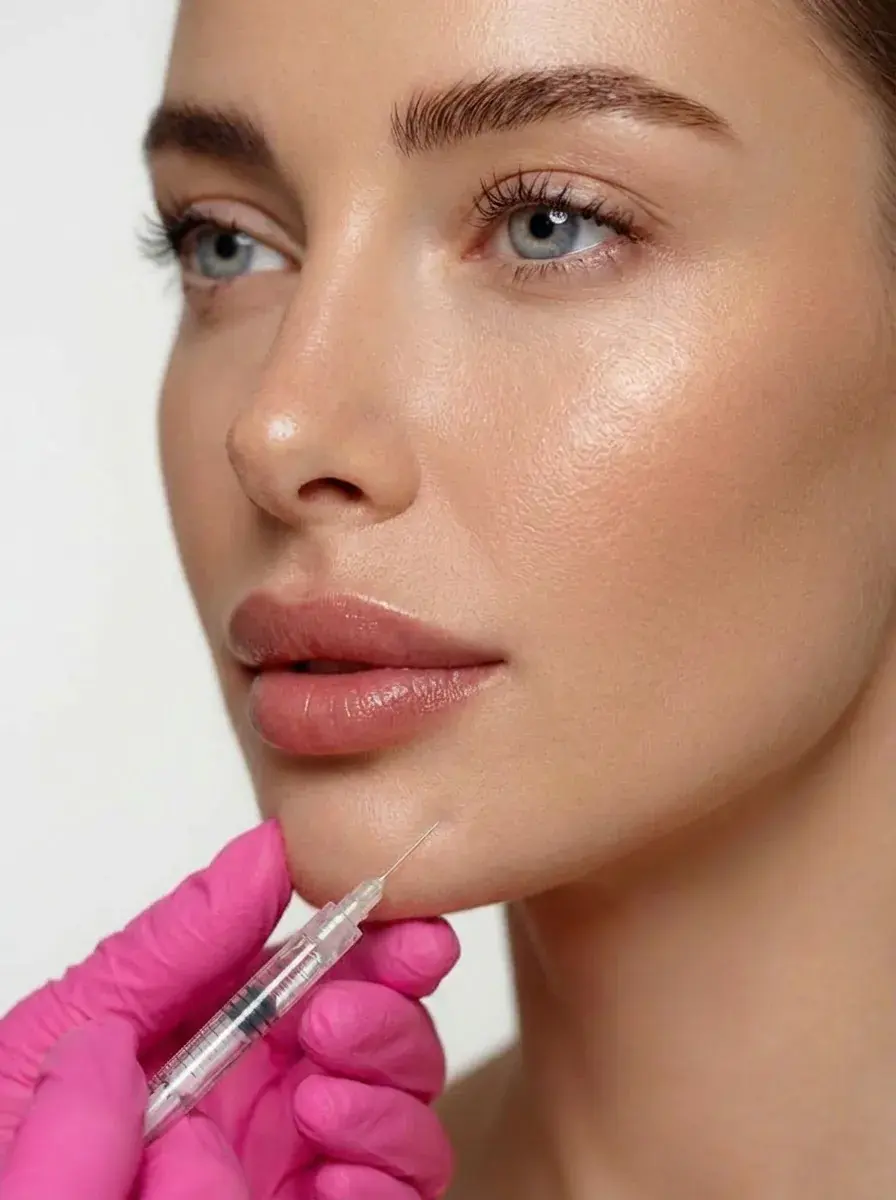
Chin filler is injectable hyaluronic acid that adds forward projection and reshapes your chin for better facial…
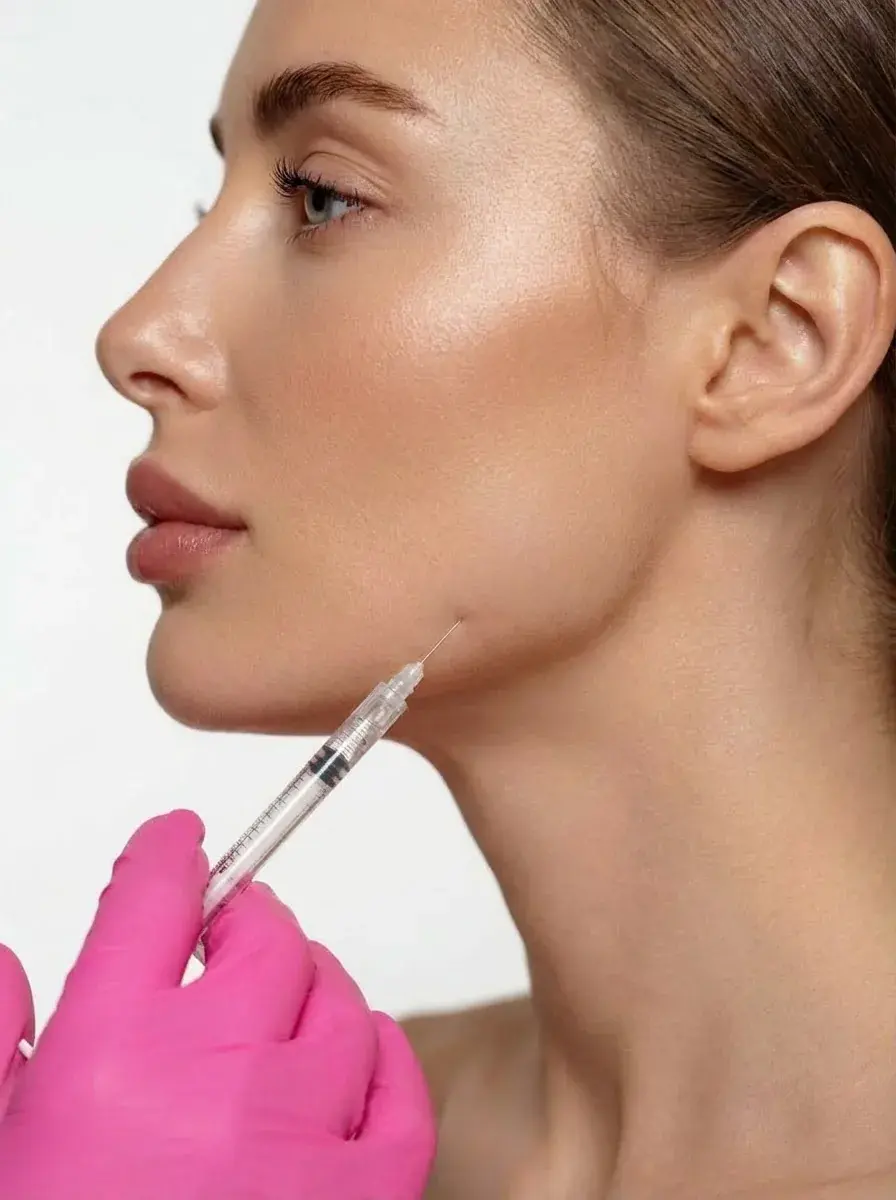
Jawline Filler
Jawline Filler
Consultation Required
Jawline filler is hyaluronic acid injected along your jawline to create a sharper, more defined lower face, with…
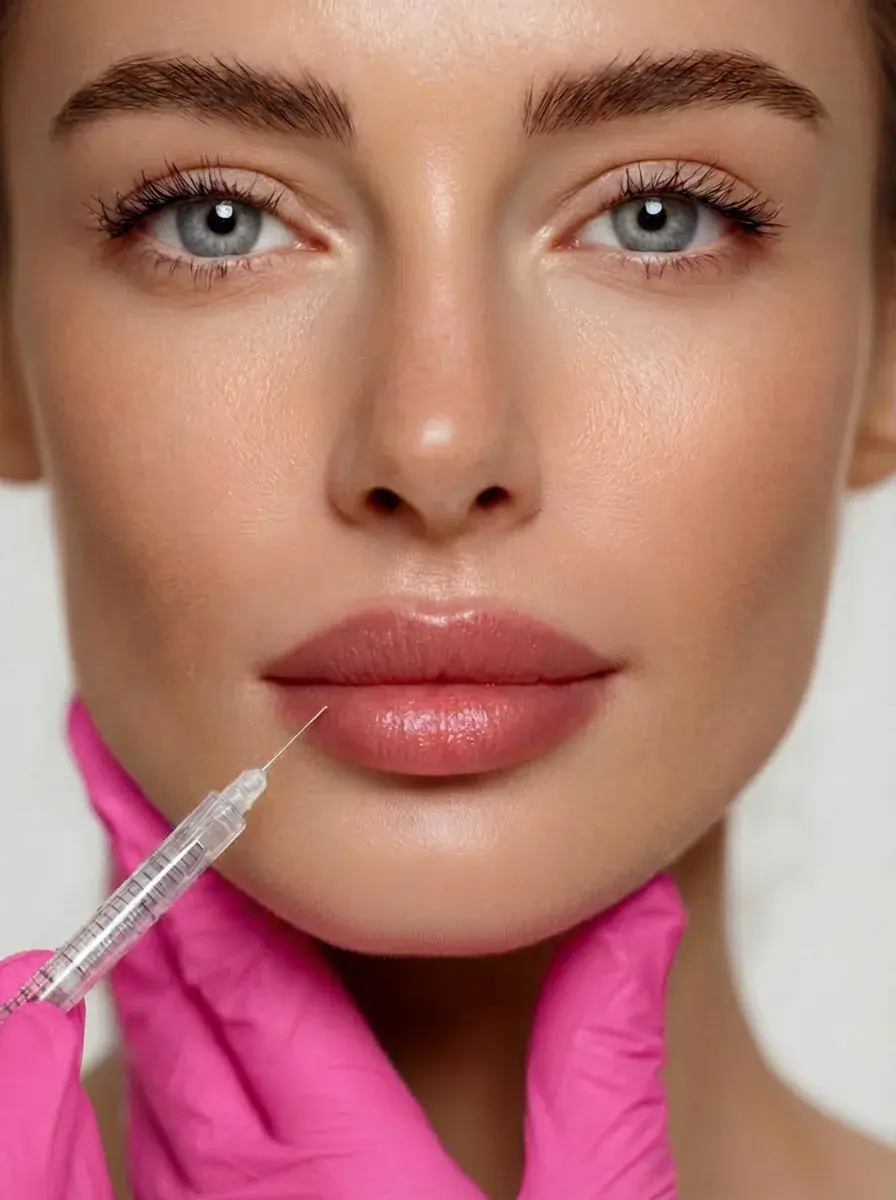
Lip Filler
Lip Filler
Consultation Required
Lip filler uses Teosyal hyaluronic acid to add volume, definition, and symmetry to your lips with soft…
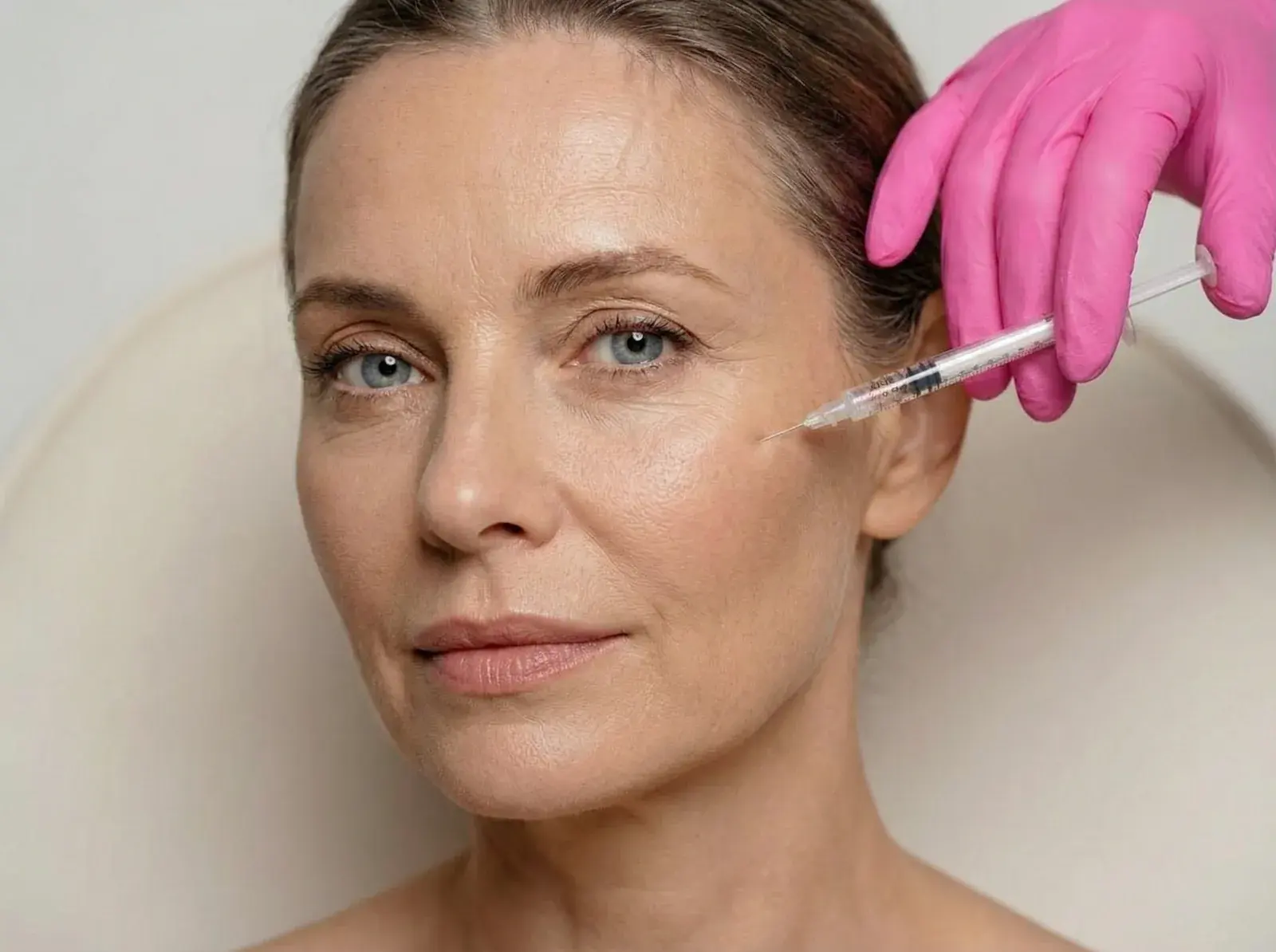
Liquid Facelift
Liquid Facelift
Consultation Required
A liquid facelift combines Botox and hyaluronic acid injections in a single session to smooth dynamic lines, restore…
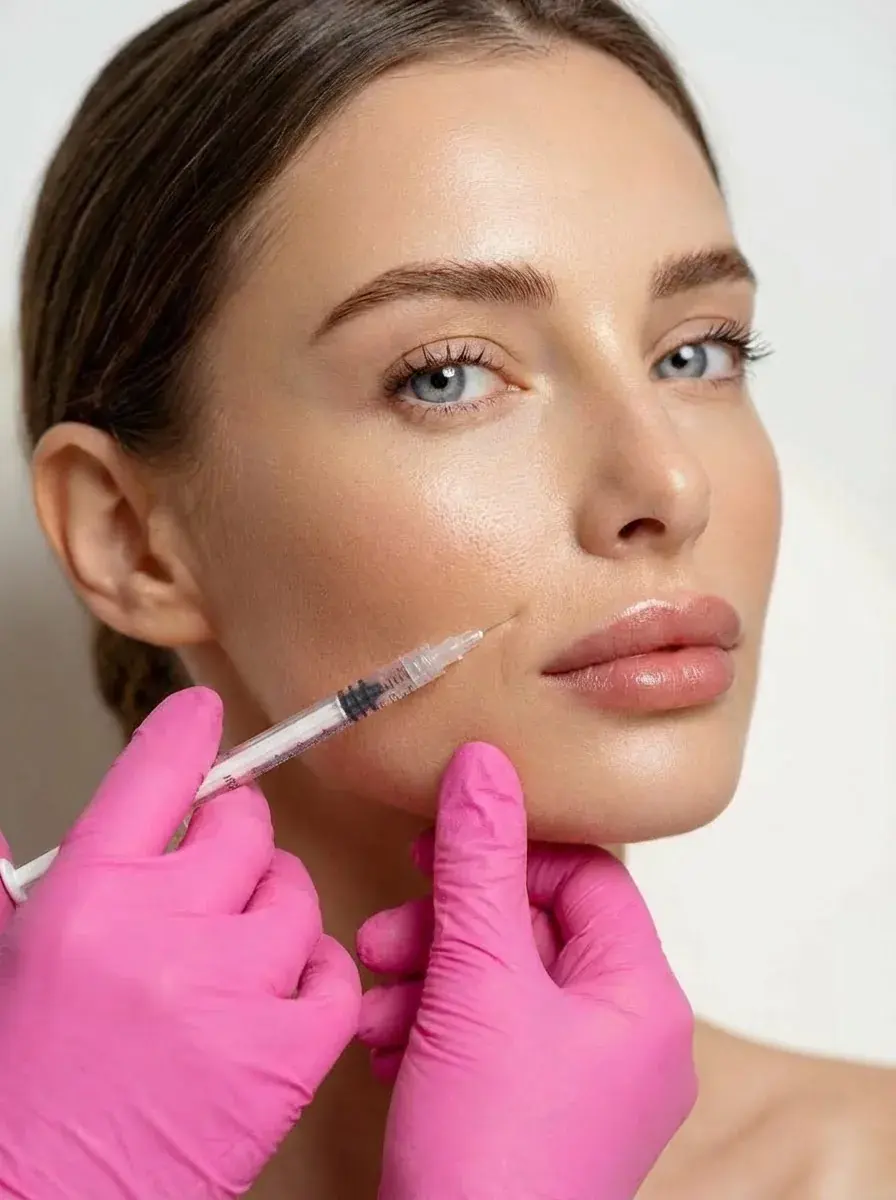
Nasolabial Fold Filler
Nasolabial Fold Filler
Consultation Required
Nasolabial fold filler softens the smile lines that deepen with age, restoring support to the mid-face with…
Chin Filler
Chin Filler
Consultation Required
Chin filler is injectable hyaluronic acid that adds forward projection and reshapes your chin for better facial…
Jawline Filler
Jawline Filler
Consultation Required
Jawline filler is hyaluronic acid injected along your jawline to create a sharper, more defined lower face, with…
Lip Filler
Lip Filler
Consultation Required
Lip filler uses Teosyal hyaluronic acid to add volume, definition, and symmetry to your lips with soft…
Liquid Facelift
Liquid Facelift
Consultation Required
A liquid facelift combines Botox and hyaluronic acid injections in a single session to smooth dynamic lines, restore…
Nasolabial Fold Filler
Nasolabial Fold Filler
Consultation Required
Nasolabial fold filler softens the smile lines that deepen with age, restoring support to the mid-face with…
Skin Club for Under Eye Treatments
Keep the Under-Eye Area Looking Its Best
Under-eye results are amplified when the surrounding skin is healthy and hydrated. Skin Club members receive a monthly professional facial to maintain skin quality, 15% off skincare products, and priority booking at every visit.
Monthly professional facial included
15% off medical-grade skincare products
Priority booking at every visit
Under Eye Filler Pricing Pickering
Why Patients Choose VRA for Under Eye Filler in Pickering
Tear trough work is one of the more technique-sensitive injectable treatments, so who places your filler matters.
Conservative Dosing
Measured
We never overfill the tear trough. A measured amount goes in first, then we reassess at the two-week follow-up before adding any more.
Cannula Technique
Gentler
A blunt-tipped cannula is used in most cases to reduce bruising risk and distribute product smoothly in this delicate area.
Honest Assessment
Candid
Not every dark circle is a filler case. If your concern is pigment or skin quality, we will tell you and recommend a more suitable path.


The right plan starts with the right assessment.
Same-week consultations. No referral required.
FAQ
Your Under Eye Filler Questions,
Answered by Victoria
Everything you need to know about tear trough volume restoration before your appointment at Victoria Rose Aesthetics.
Tear trough filler is safe when performed by an experienced injector who understands the anatomy of the lower eyelid. The right product (a soft, low-G' hyaluronic acid), the right technique (cannula), and conservative dosing are all essential. VRA uses Teosyal fillers formulated for this area, placed under medical oversight as required in Ontario.
Tear trough volume restoration typically lasts 12 to 18 months, which is longer than lip or cheek placement. The under-eye area has very low muscle activity, so the product breaks down more slowly than in dynamic zones like the mouth. Longevity also depends on the specific Teosyal Redensity 2 volume used, your metabolism, and how your tissue integrates the product. Conservative dosing is used at the first appointment, with a complimentary 2-week follow-up to assess whether a small touch-up is needed, and maintenance is usually discussed around the 12-month mark.
Hyaluronic acid volume restoration is most effective for dark circles caused by hollow tear troughs creating shadows. If your dark circles are primarily pigmentation-based, filler will have limited effect. A VRA injector assesses the cause during your consultation and, if filler is not the right answer, will tell you honestly and recommend a more suitable path.
Most patients need between 0.5 and 1 syringe of Teosyal Redensity 2 to treat both tear troughs at the initial appointment. Conservative dosing is the standard because the under-eye area is unforgiving and over-correction is harder to fix than under-correction. A VRA injector typically places a measured amount during the first session, then reassesses at the complimentary 2-week follow-up once swelling has resolved, layering in a small additional volume if needed. The exact volume depends on your tear trough depth, skin thickness, and whether cheek support is being addressed at the same visit.
Under-eye filler at Victoria Rose Aesthetics in Pickering is quoted per syringe of product used, with most patients requiring 0.5 to 1 syringe of Teosyal Redensity 2 to address both tear troughs. The total depends on your anatomy, the depth of hollowness, and whether supportive cheek volume is recommended at the same visit, since under-eye hollowness sometimes originates from midface descent rather than the tear trough itself. A VRA injector confirms the product volume and total at your consultation, and the complimentary 2-week follow-up is included. Contact the clinic for current per-syringe pricing or book a consultation for a personalized quote.
Yes. All hyaluronic acid filler, including tear trough volume restoration, can be dissolved with hyaluronidase. This provides full reversibility if the result is not what you wanted or if any issue arises.
The Tyndall effect is a bluish discolouration that can occur if hyaluronic acid is placed too superficially under the thin under-eye skin. VRA uses products formulated specifically for the tear trough, a blunt-tipped cannula, and careful depth control to minimize this risk.
Ideal candidates have volume loss in the tear trough with relatively thin, non-puffy under-eye skin. Patients with significant festoons (malar bags), very thin skin, or significant excess lower lid skin may not be ideal candidates for volume restoration. A VRA injector assesses this thoroughly at your consultation and will tell you honestly whether filler is the right fit.
Non-injectable options include energy-based skin tightening, polynucleotide skin boosters, targeted skincare with retinoids and peptides, and addressing lifestyle factors like sleep, hydration, and allergy-related congestion. None of these replace true volume restoration when the tear trough is structurally hollow, but they can improve skin quality, reduce crepiness, and soften shadow appearance. A VRA injector assesses whether your hollowness is volume-driven, pigment-driven, or skin-quality-driven, and at the Pickering clinic alternatives may include Sylfirm X RF microneedling for skin texture, or a referral if surgical correction is more appropriate.
Cheek volume restoration can improve the appearance of under-eye bags when the underlying cause is midface descent rather than true under-eye fat herniation. As the cheek's structural support weakens with age, the lower eyelid loses its scaffold, which deepens the tear trough shadow. Adding filler in the cheek can re-elevate that support and flatten the transition between the lower eyelid and midface. A VRA injector maps the cause before recommending a treatment site, and true fat-pad bags caused by orbital fat prolapse usually need a surgical referral.