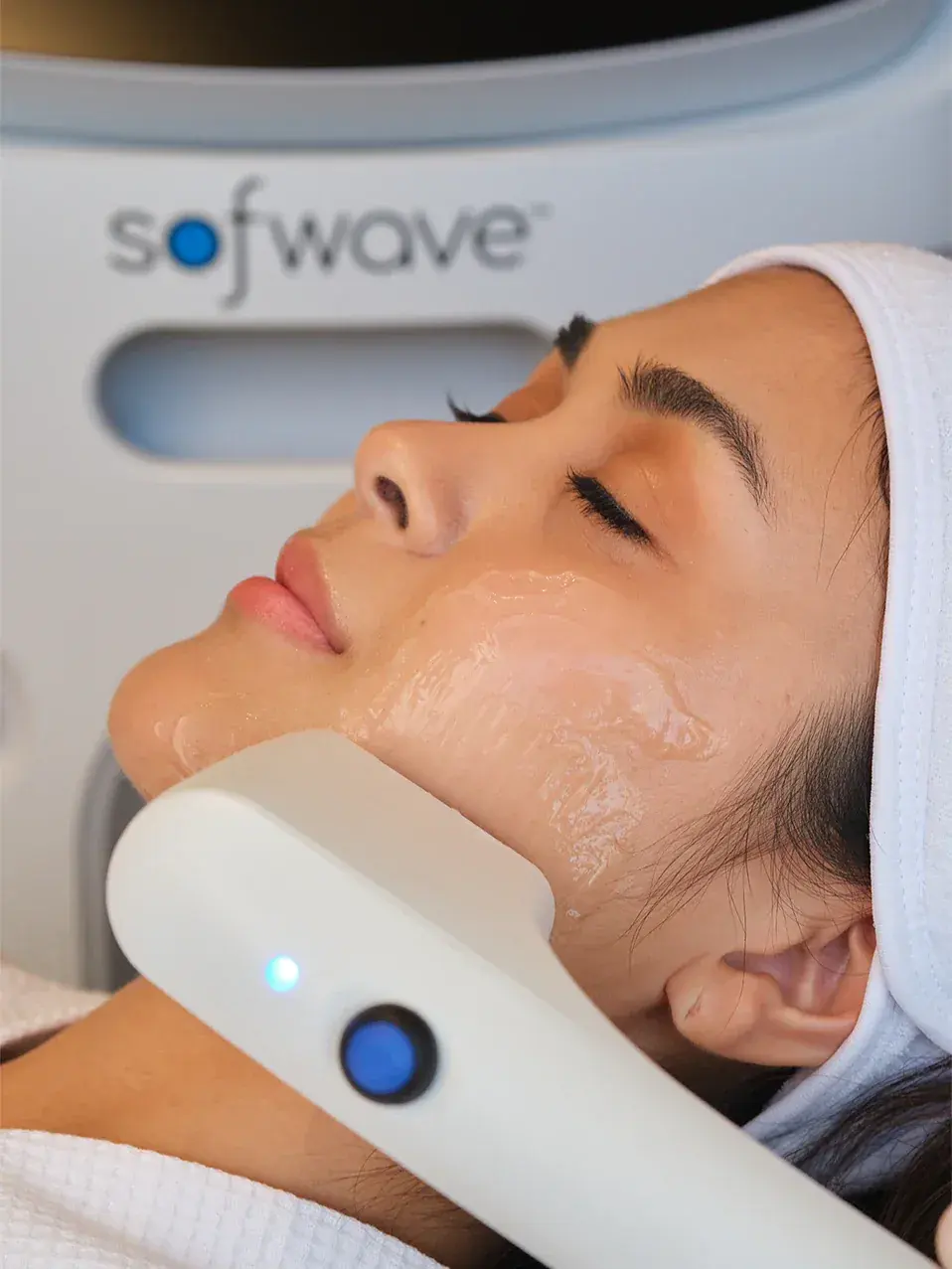
Tixel Skin Treatment
- •Tixel Thermo-Mechanical
- •Pigment, Spots & Discolouration
- •Sensitive Skin Safe
- •Minimal Downtime
Tixel is a thermo-mechanical resurfacing device that fades pigmentation and uneven tone through controlled heat and stamping, no laser light, no needles, with minimal downtime and results building over a few months.
4.8★ · 163 Reviews
- Tixel Thermo-Mechanical
- Pigment, Spots & Discolouration
- Sensitive Skin Safe
- Minimal Downtime
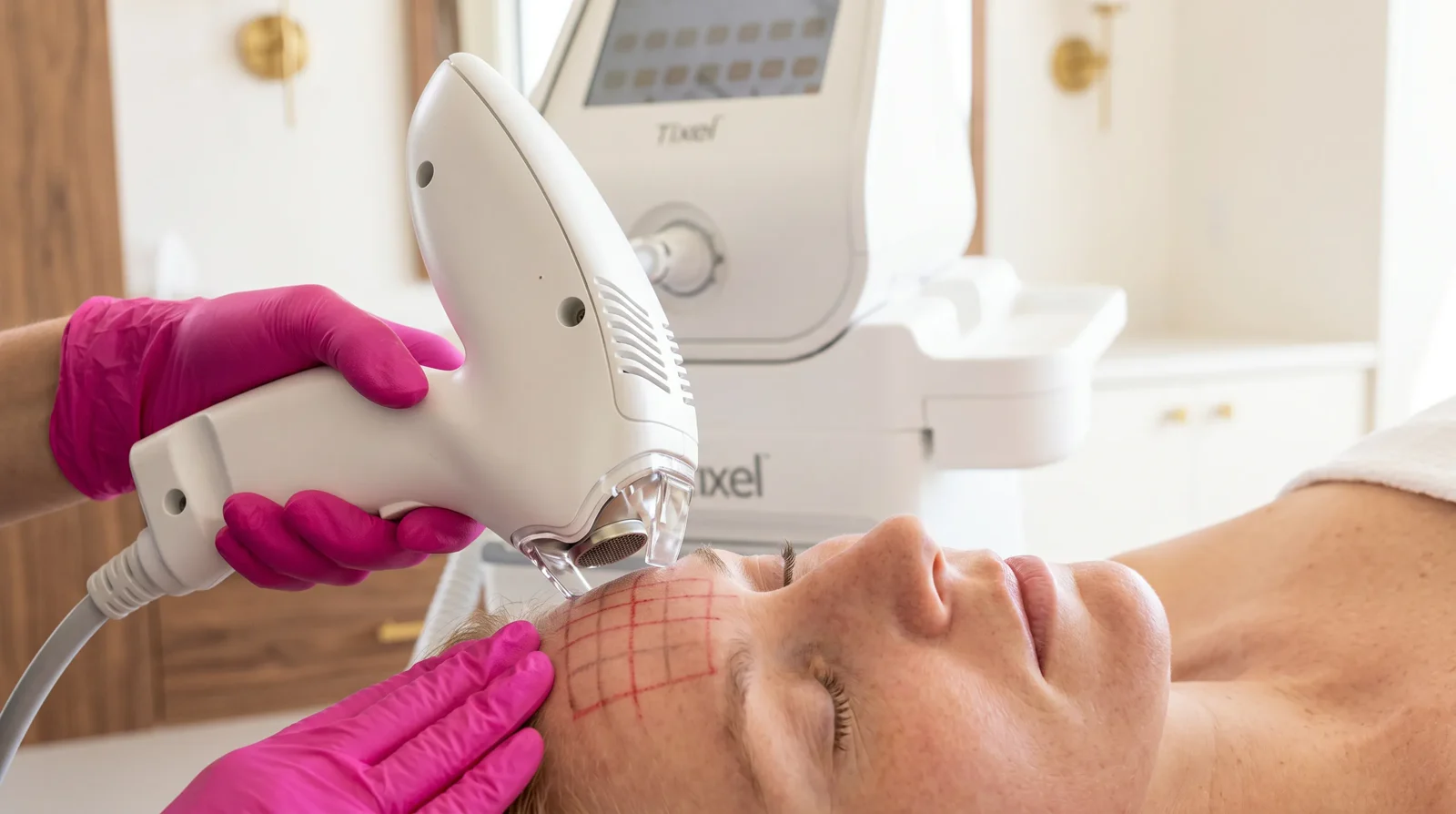
Tixel Treatment Goals
What Tixel Skin Treatment Treats
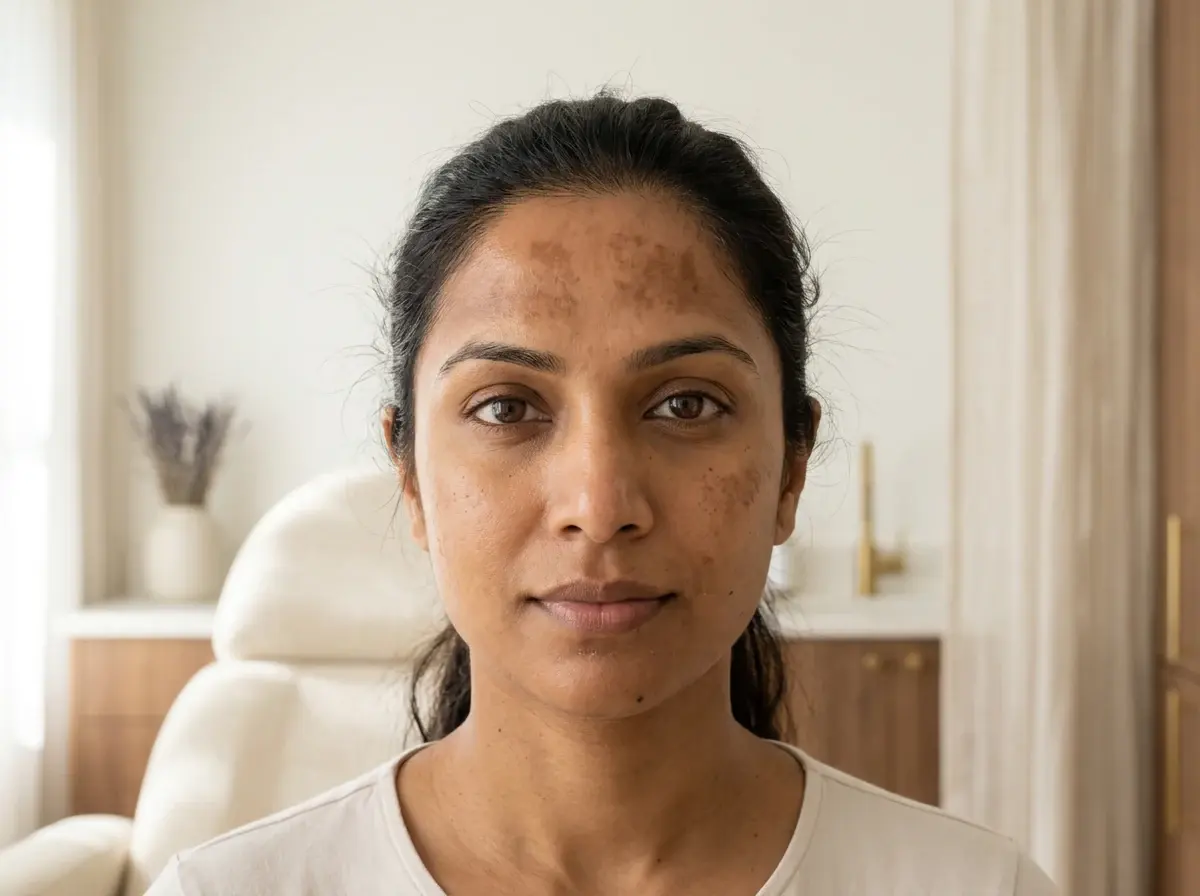
Hyperpigmentation
Tixel's thermo-mechanical energy creates controlled micro-zones that accelerate cell turnover and break up pigment deposits, progressively fading areas of hyperpigmentation across the face and neck.
Treatments+
Tixel's heated titanium tip creates micro-thermal zones that speed cell turnover and break up surface pigment, fading dark patches over a series of sessions.
Causes+
Sun, hormonal shifts, or post-breakout inflammation overproduce melanin in patches that linger until surface cells renew.
Tixel Results
What to expect, from your first session to peak results
Immediate (Day 1)
Day 1 · minimal downtime
Expect mild redness for 24 to 48 hours after your session. Tiny dots from the titanium tip pattern may be visible for 2 to 4 days. Most patients return to normal activities the same or next day.
Weeks 2 to 6
Weeks 2-6 · collagen builds
Collagen stimulation progresses and skin texture and smoothness start to improve. Pore size gradually reduces and fine lines soften as new collagen is laid down. Changes are subtle at first and continue to develop between sessions.
Full Results (Session 3+)
Session 3+ · peak results
After a full course of three sessions, results keep refining for 3 to 6 months as collagen remodelling completes. Tone reads more even, texture is smoother, and fine lines and pores look softer. Many patients book a maintenance session every 12 to 18 months to hold their results.
The VRA Experience
Why Patients Choose VRA for Tixel Skin Treatment
Victoria Rose Cyr, RN, BScN, brings over a decade of clinical experience, plus years spent teaching it, first in the classroom and now as a national clinical trainer for a respected aesthetics brand. Today that expertise goes into her Pickering practice and the team of experts she's built around it.
Victoria Rose Cyr is a Registered Nurse (BScN) and the founder of Victoria Rose Aesthetics, with 10 years of clinical experience, six years running her own practice, and five years as a national clinical trainer. She sets the clinical standard every treatment at VRA is held to.
Victoria trains physicians, nurses, and injectors across Canada in precise, evidence-based technique, and brings that same standard to every treatment her team delivers at VRA.
Tixel settings are matched to your skin and downtime tolerance by a trained VRA practitioner, working to Victoria's clinical standard.
Patient Reviews
What Our Patients Say
Honest words from patients at Victoria Rose Aesthetics in Pickering.
I recently had a Sofwave treatment at Victoria Rose Aesthetics and the entire experience exceeded my expectations. From the moment I walked in, the space felt elevated, welcoming, and incredibly…
Antonella Calandra
Victoria Rose Aesthetics · Pickering
Treatment Process
Tixel Treatment Process
From your first consultation through aftercare, here is exactly what to expect at every step of your Tixel Skin Treatment at Victoria Rose Aesthetics.
Step 01 · Consultation
Consultation and Skin Assessment
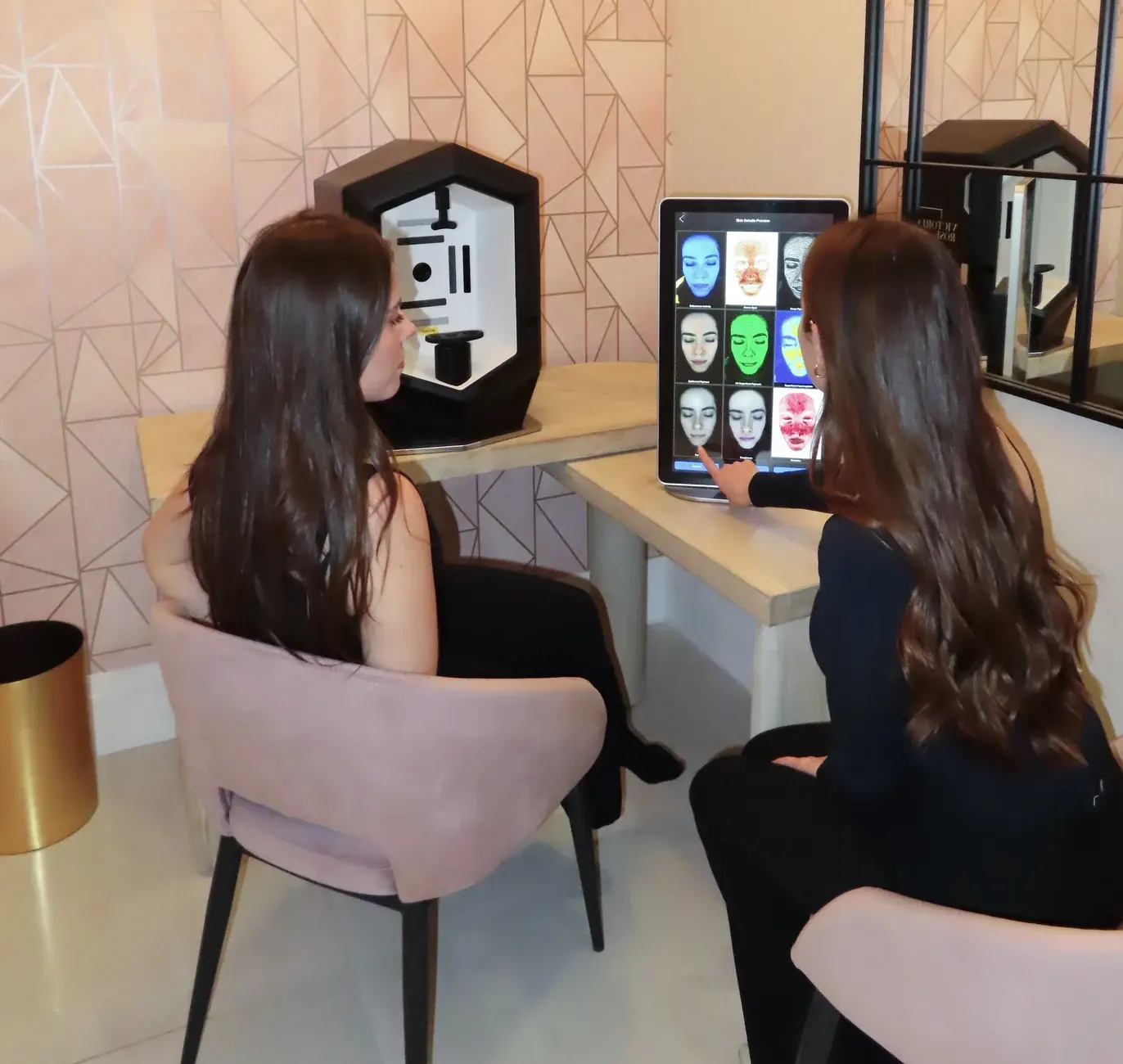
We assess your skin type, concern areas, and sensitivity to determine the right Tixel intensity for your first session. Your practitioner explains the heating sensation and what to expect during and after treatment.
- Skin type, concern areas, and sensitivity assessed
- Right Tixel intensity chosen for session one
- Heating sensation and expectations explained
Skin Club for Tixel
Save on Every Tixel Session
Tixel delivers compounding results across a series. Skin Club preferred pricing makes consistent resurfacing more accessible.
Preferred pricing on all Tixel sessions
Session reminders at 4 to 6 week intervals
Complimentary skin quality assessment between sessions

Tixel Pricing Pickering
Why Patients Choose VRA for Tixel in Pickering
Tixel fills a real gap for patients who want resurfacing results but cannot or would rather not have laser or microneedling.
No Laser Light
Laser-safe
Tixel uses thermo-mechanical heat instead of laser, so it suits patients with laser contraindications who still want resurfacing.
No Needles
Needle-free
Because the titanium tip stamps the skin rather than piercing it, Tixel is a comfortable option for needle-averse patients.
Safe Near The Eyes
Periorbital
The brief, controlled contact lets a trained VRA practitioner treat fine lines very close to the eyes, to the standard Victoria sets.


The right plan starts with the right assessment.
Same-week consultations. No referral required.
FAQ
Your Tixel Questions,
Answered by Victoria
Everything you need to know about Tixel before your appointment at Victoria Rose Aesthetics.
Tixel is a Health Canada-approved thermo-mechanical skin resurfacing device that uses a titanium tip heated to precisely 400°C. The tip briefly contacts the skin in a controlled stamping pattern, creating micro-thermal zones that trigger collagen remodelling and gradual skin renewal. Unlike laser resurfacing it delivers no light energy and uses no needles, which makes it suitable for sensitive skin types and safe for use very close to the eyes.
A titanium tip heated to 400°C briefly contacts the skin in a controlled stamping pattern. Each contact transfers heat to a small zone of tissue, creating a micro-thermal injury that the skin repairs by producing new collagen and replacing damaged surface cells. Because the tip touches the skin for only a fraction of a second, heat does not spread to surrounding tissue, which is why Tixel is gentle enough for sensitive skin and safe near the eyes. A trained VRA practitioner sets the intensity to your skin sensitivity, pigmentation pattern, and the degree of resurfacing you need.
A course of 3 sessions spaced 4 to 6 weeks apart is the standard recommendation. Results continue to improve for 3 to 6 months after the final session as collagen rebuilds, and many patients book a maintenance session every 12 to 18 months to hold their results.
Most patients describe Tixel as a warm, prickling sensation rather than a painful one. Topical numbing cream is applied for 20 to 30 minutes beforehand, which significantly reduces what you feel during the stamping pattern. The titanium tip contacts the skin only briefly at each point, so heat does not build up the way it can with longer-pulse laser devices. After the session a warm sunburn-like feeling may linger for a few hours and is easily managed with a calming moisturizer and cool compresses.
Mild redness and small skin dots from the stamping pattern last 1 to 3 days. Most patients consider social downtime to be 24 to 48 hours, and many return to normal activities the same or next day. SPF is essential from day 2, and you should avoid sun, makeup, and active ingredients for the first 24 hours.
Yes, and this is one of Tixel's distinct advantages. The brief, controlled thermo-mechanical contact allows safe treatment very close to the lower and upper eyelid for periorbital fine lines, an area many laser and needle-based devices cannot reach as comfortably.
Tixel provides mild to moderate skin tightening alongside its benefits for pigment and texture. The controlled micro-thermal zones stimulate collagen and elastin remodelling, which gradually firms the skin over 3 to 6 months. Tightening is most noticeable on the lower face, around the eyes, and on the neck, where Tixel can soften crepiness. For more significant laxity, a VRA practitioner may recommend pairing Tixel with a dedicated tightening platform such as Sofwave or Sylfirm X on a staggered schedule.
Results from a full Tixel course typically last 12 to 18 months, with some patients seeing benefits beyond that depending on skin condition, sun exposure, and skincare. Because Tixel works by triggering new collagen and surface cell renewal, improvements keep refining for 3 to 6 months after your final session and then hold as the new tissue matures. Many patients book a single maintenance session every 12 to 18 months, and consistent SPF directly affects how well results hold.
Initial changes in skin tone and texture usually appear 3 to 4 weeks after your first session, once early redness has resolved. The deeper collagen remodelling that drives firmness, pigment improvement, and fine line softening builds over 3 to 6 months, with each session compounding the prior result. Most patients see the fullest effect about 3 months after the final session.
Yes. Tixel is complementary to injectables, chemical peels, and skin booster treatments on a staggered schedule. A VRA practitioner will sequence any combination so each treatment has time to do its work without overloading the skin.