Hair Loss
The thinning you noticed slowly.
Hair loss in women is rarely dramatic. More hair in the brush, a part that reads wider under bathroom light, temples that used to feel full. It builds gradually, and by the time it shows, the cause has usually been at work for months.

Hair Loss
The thinning you noticed slowly.
Hair loss in women is rarely dramatic. More hair in the brush, a part that reads wider under bathroom light, temples that used to feel full. It builds gradually, and by the time it shows, the cause has usually been at work for months.
CONCERN & CAUSES
Why Women Lose Hair
Thinning in women rarely comes from one cause. It is usually several factors working together over time, and a plan only holds when it treats the driver behind your pattern rather than the shedding alone.
01
Hormonal Shifts
Shifts in estrogen and testosterone through perimenopause, menopause, or after stopping the pill shrink the follicle. Hair grows thinner each cycle until some follicles stop making visible strands.
02
Nutritional Gaps
Low iron, vitamin D, and B12 are common drivers in women. When nutrients run short the body feeds vital organs first, and hair, low on that list, thins at an undersupplied root.
03
Stress and Thyroid
Chronic stress pushes many follicles into the resting phase at once, and shedding follows months later. Thyroid imbalance disrupts the same growth cycle, so sudden thinning is worth investigating.
04
Genetic Pattern Loss
Female pattern hair loss is hereditary and progressive, usually showing as thinning across the crown rather than a receding line. Postpartum shedding can layer on top, temporary for most women.
Treatment Benefits
Protocols That Support Regrowth in Pickering
A plan that works for hormonal thinning will not fix a nutritional gap. Victoria, an RN with over a decade of clinical experience, reviews your history and scalp first, then builds around the cause so each treatment works on the right mechanism.
PRP Hair Restoration
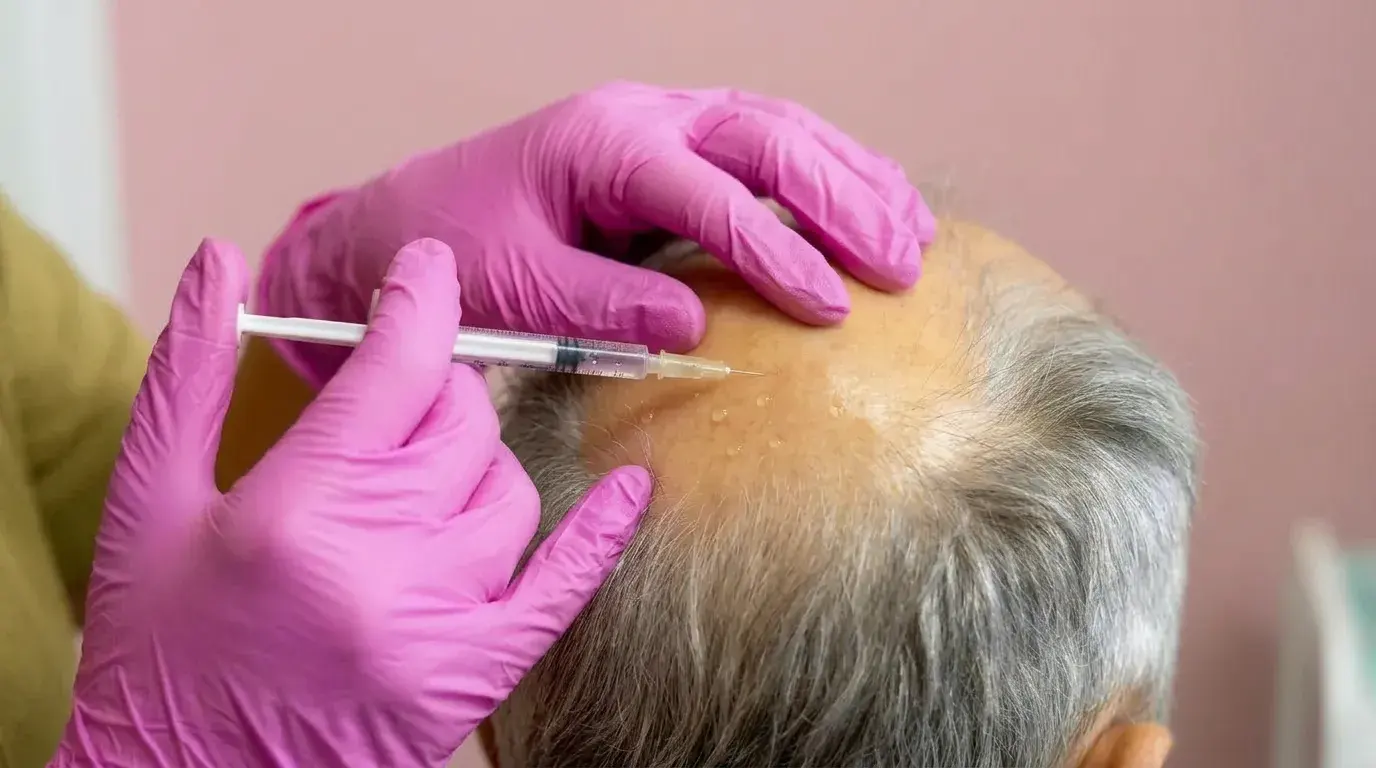
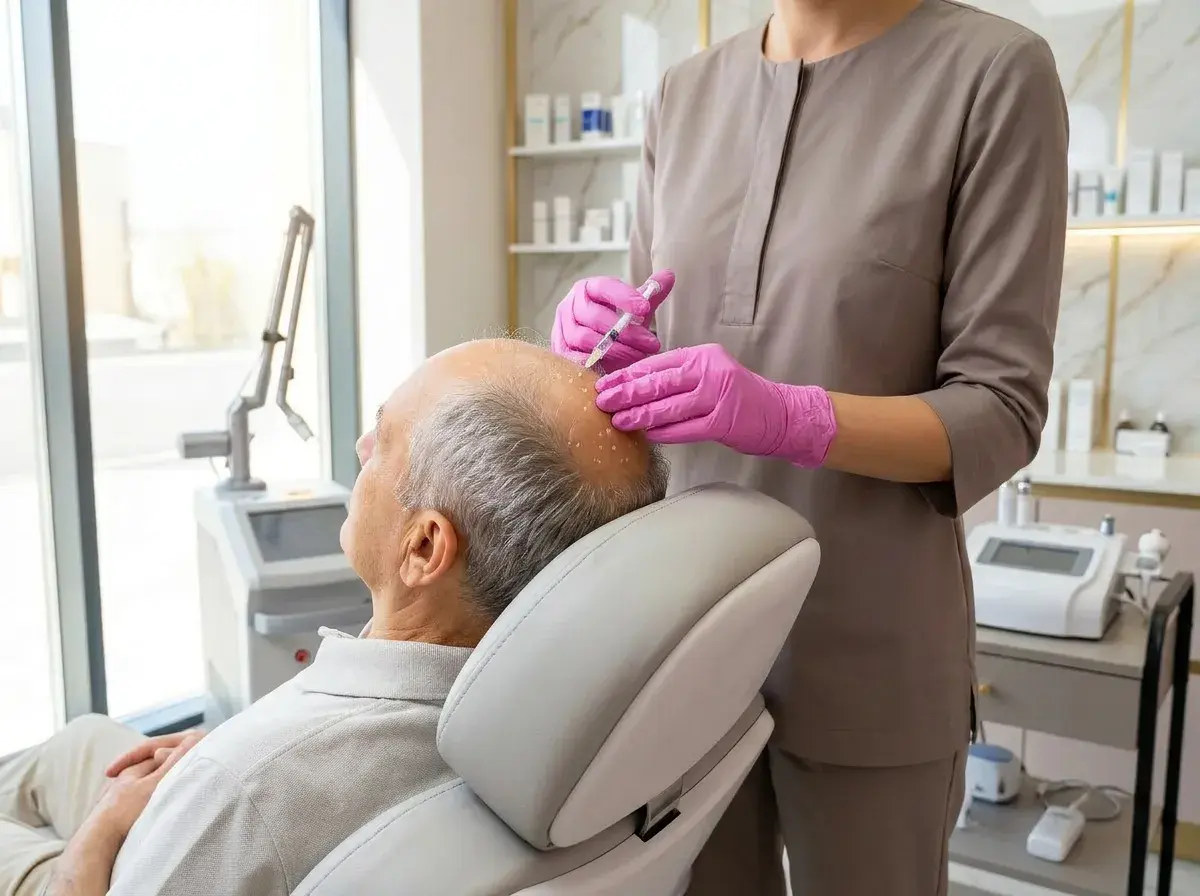
A platelet-rich plasma treatment. A small blood sample is drawn and processed to concentrate growth factors, which are then injected into areas of thinning across the scalp.

Vitamin Shots (B12 / Lipo-B)
Targeted vitamin injections. B12 supports red blood cell production, and Lipo-B pairs B vitamins with amino acids that support cellular energy and metabolism.
How to Support Your Hair Between Sessions
In-clinic treatment reactivates the follicle, but daily habits decide whether new growth holds. The scalp is skin, and protecting it, feeding it, and handling it gently carries the result over the long run.

Cleanse Gently

Treat the Root Cause

Nourish From Within

Manage Stress

Protect the Scalp
Recommended Skincare Protocol
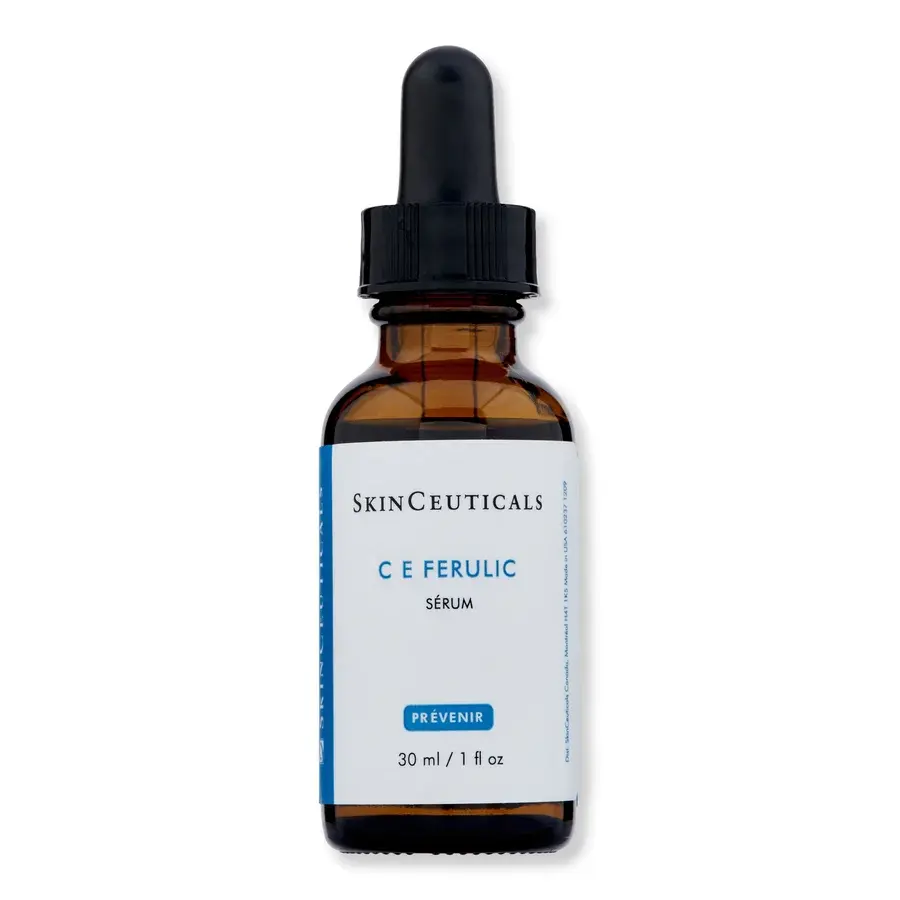
C E Ferulic
A daytime vitamin C serum with ferulic acid and vitamin E that defends the scalp and skin against daily UV and free radicals, supporting the surface your follicles sit in between treatments.



.webp&w=3840&q=75)



Skin Club Membership
Join the Skin Club
Exclusive Savings on Every Visit.
Beautiful skin is a long-term commitment, and Skin Club membership makes that commitment rewarding. Members receive preferred member pricing, priority booking with their preferred practitioner, and a personalized treatment roadmap so results keep building with every visit.
Discounted treatment packages and member-only pricing
Priority booking and scheduling with your preferred practitioner
Complimentary skin assessments & personalized treatment plans


The right plan starts with the right assessment.
Same-week consultations. No referral required.
FAQ
Common Questions About
Hair Loss Treatment
Hormonal changes, nutritional deficiencies, stress, thyroid conditions, genetics, and postpartum shedding are the most common causes. Many women experience more than one contributing factor at the same time, which is why your practitioner assesses the full picture before recommending a plan rather than treating the shedding alone.
Clinical studies show PRP can increase hair count and thickness in women with androgenetic alopecia and other forms of thinning. Results depend on the stage of hair loss and how many follicles remain active, so your practitioner reviews your scalp and pattern before recommending it.
Most patients start with three to four sessions spaced four to six weeks apart, followed by maintenance treatments every six to twelve months. Your practitioner builds the schedule around your thinning pattern and how your hair responds to the initial series.
Results from an initial series typically last twelve to eighteen months. Annual maintenance sessions help sustain density and thickness over time. PRP does not cure the underlying cause, so ongoing support keeps the gains in place.
Most patients describe mild discomfort during the injections. A topical numbing agent is applied beforehand to keep the experience comfortable, and the procedure takes around forty-five minutes from start to finish.
There is no real downtime. You may have mild scalp tenderness for a day or two after PRP, and most patients return to normal activities immediately. Your practitioner walks you through what to expect before your appointment.
PRP does not cure the underlying cause of hair loss, but it can slow progression and improve density meaningfully. Maintenance sessions help sustain results over the long term, especially when the underlying driver is also addressed.
Pricing depends on the number of sessions and the areas treated. We outline costs in detail at your consultation so you can plan the full protocol upfront rather than session by session.
PRP uses your own concentrated growth factors drawn from a small blood sample. Mesotherapy uses a cocktail of vitamins, minerals, and medications injected into the scalp. PRP carries stronger clinical evidence, and Victoria can advise which approach suits your situation.
PRP produces stronger results when follicles are miniaturised but still alive. Early intervention gives the follicles more to work with. Once a follicle has been dormant for years, it becomes harder to reactivate, so starting sooner tends to help.
It often helps. Iron, vitamin D, B12, and thyroid markers are common contributors to thinning in women, and a panel can reveal a driver that in-clinic treatment alone would miss. Your practitioner reviews recent bloodwork at your consultation and can advise whether further testing is worthwhile before building your plan.