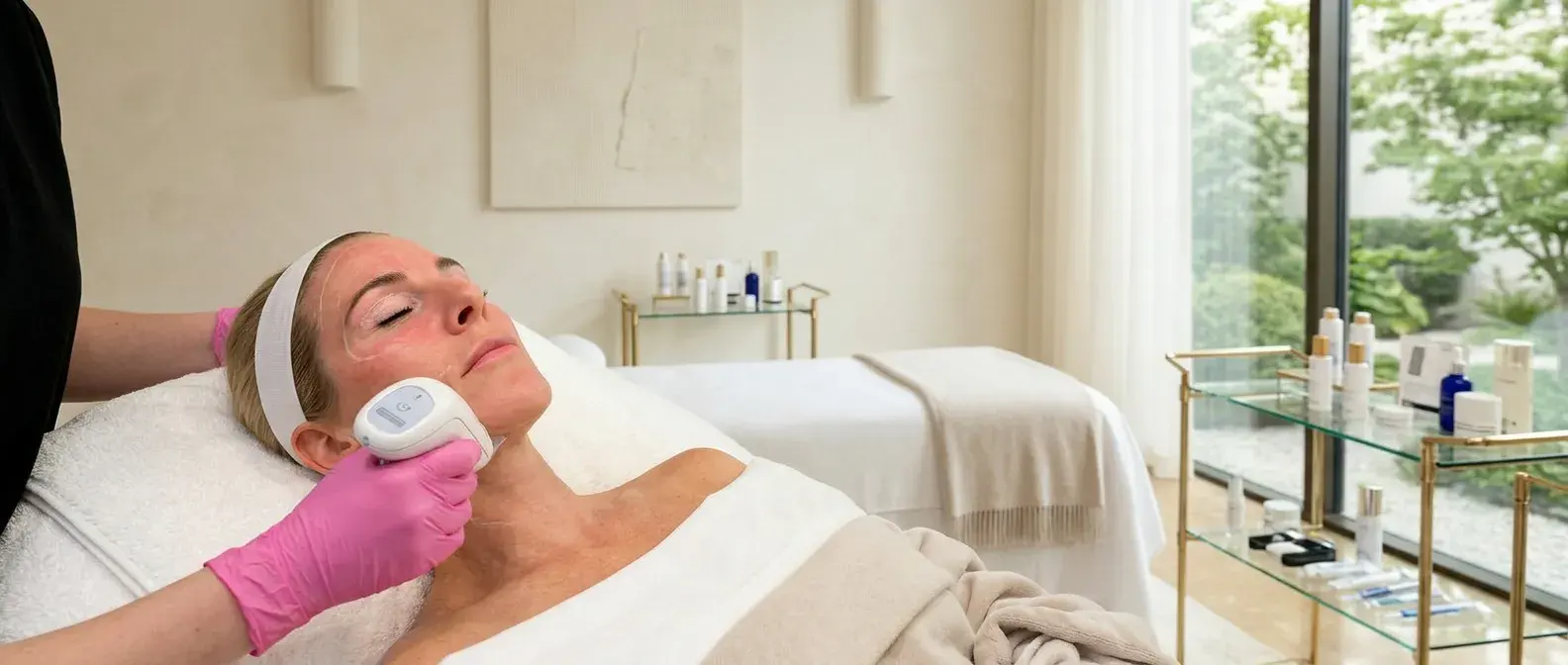
Melasma
Dark patches. Uneven tone. More than just pigment.
Melasma is a form of hyperpigmentation, brown to grey-brown patches that develop across the cheeks, forehead, and upper lip when the skin's pigment cells produce excess melanin.

Melasma
Dark patches. Uneven tone. More than just pigment.
Melasma is a form of hyperpigmentation, brown to grey-brown patches that develop across the cheeks, forehead, and upper lip when the skin's pigment cells produce excess melanin.
CONCERN & CAUSES
Why Melasma Keeps Coming Back
Melasma happens when melanocytes, the pigment-producing cells in your skin, become overactive. Instead of distributing colour evenly, they flood specific areas with excess melanin. Three forces drive this overproduction.
01
Hormonal Triggers
Estrogen and progesterone directly stimulate melanocytes. Pregnancy, birth control, and hormone therapy are the most common triggers, which is why melasma earned the name the mask of pregnancy.
02
UV Exposure
Sunlight is the strongest accelerant. Even 15 minutes of unprotected exposure can darken existing patches and undo weeks of progress, which is why melasma flares again each summer.
03
Heat and Visible Light
Screen light, infrared heat, and even hot environments can trigger melanocyte activity. This is what makes melasma so persistent, the triggers are everywhere, not just outdoors.
04
Pigment Depth
Melasma pigment often sits in the dermis, the deeper layer that topical creams cannot reach. Some cases are epidermal, some dermal, and many are both, so depth decides which treatments work.
Treatment Benefits
Proven Protocols for Melasma Treatment in Pickering
Melasma requires a cautious, multi-modal approach. Aggressive treatments can worsen the condition by triggering rebound hyperpigmentation. Victoria uses melanocyte-safe protocols tailored to your skin type, pigmentation depth, and severity.
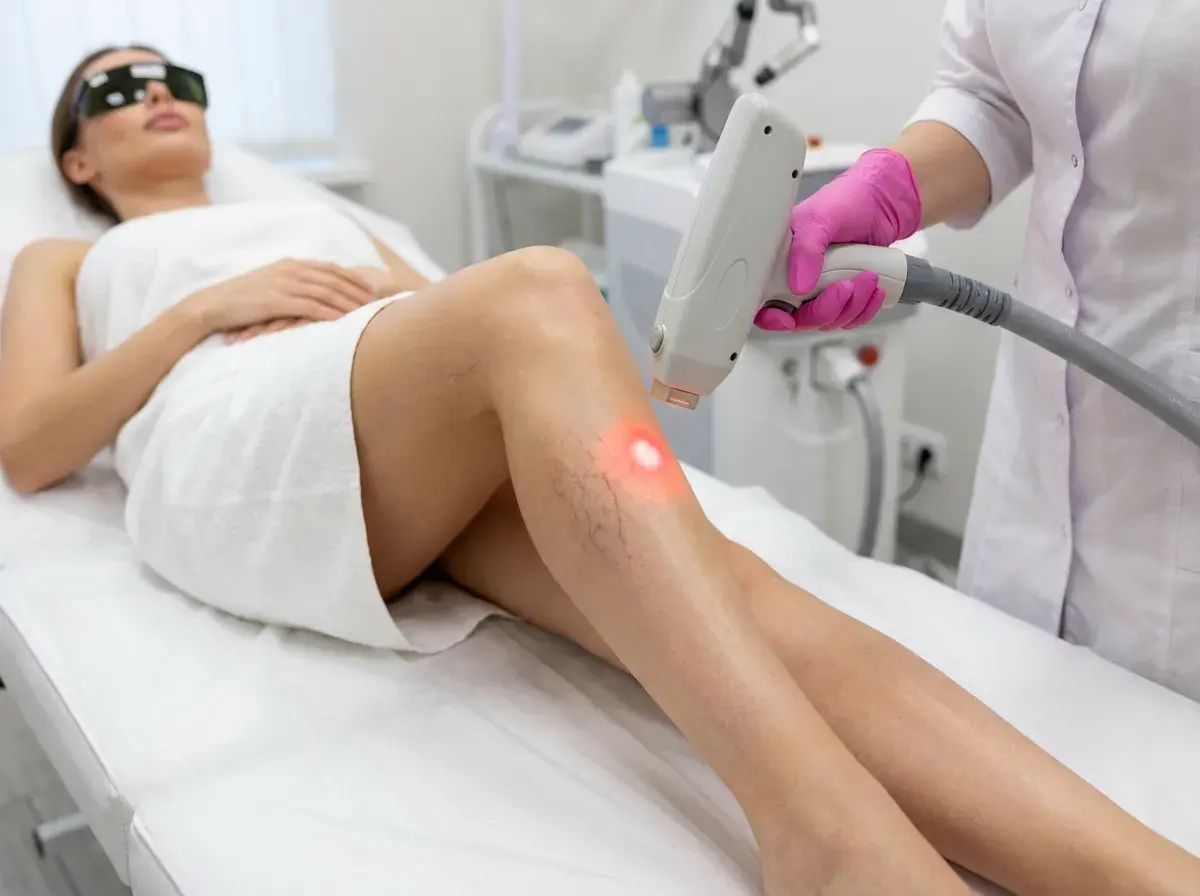
Melasma Treatment (Laser/Fotona)
A laser protocol that uses Fotona's controlled wavelengths to break down excess melanin. It reaches pigment sitting in both the surface and deeper layers of skin, where melasma often lives.
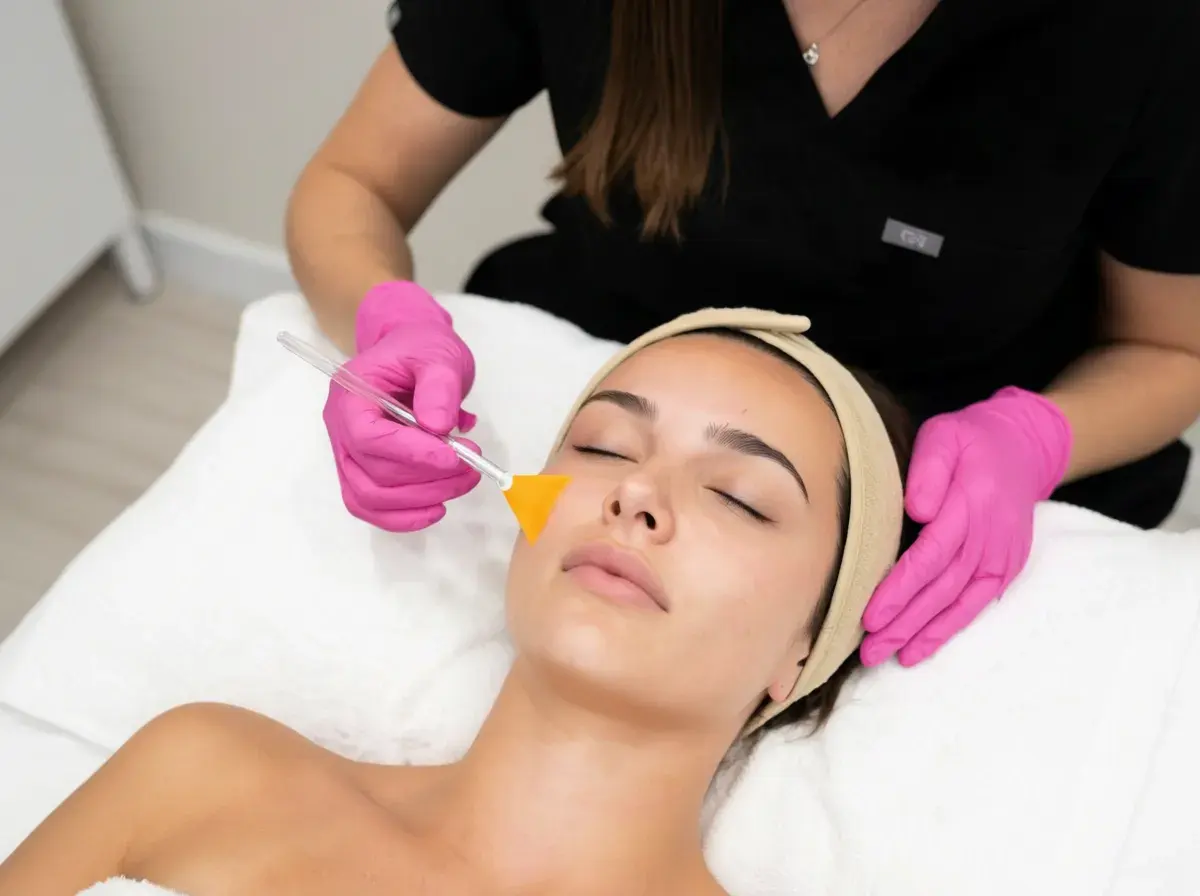
Chemical Peels
A clinical-grade exfoliating treatment that lifts pigment from the upper layers of skin and brings fresh, more even-toned cells to the surface.
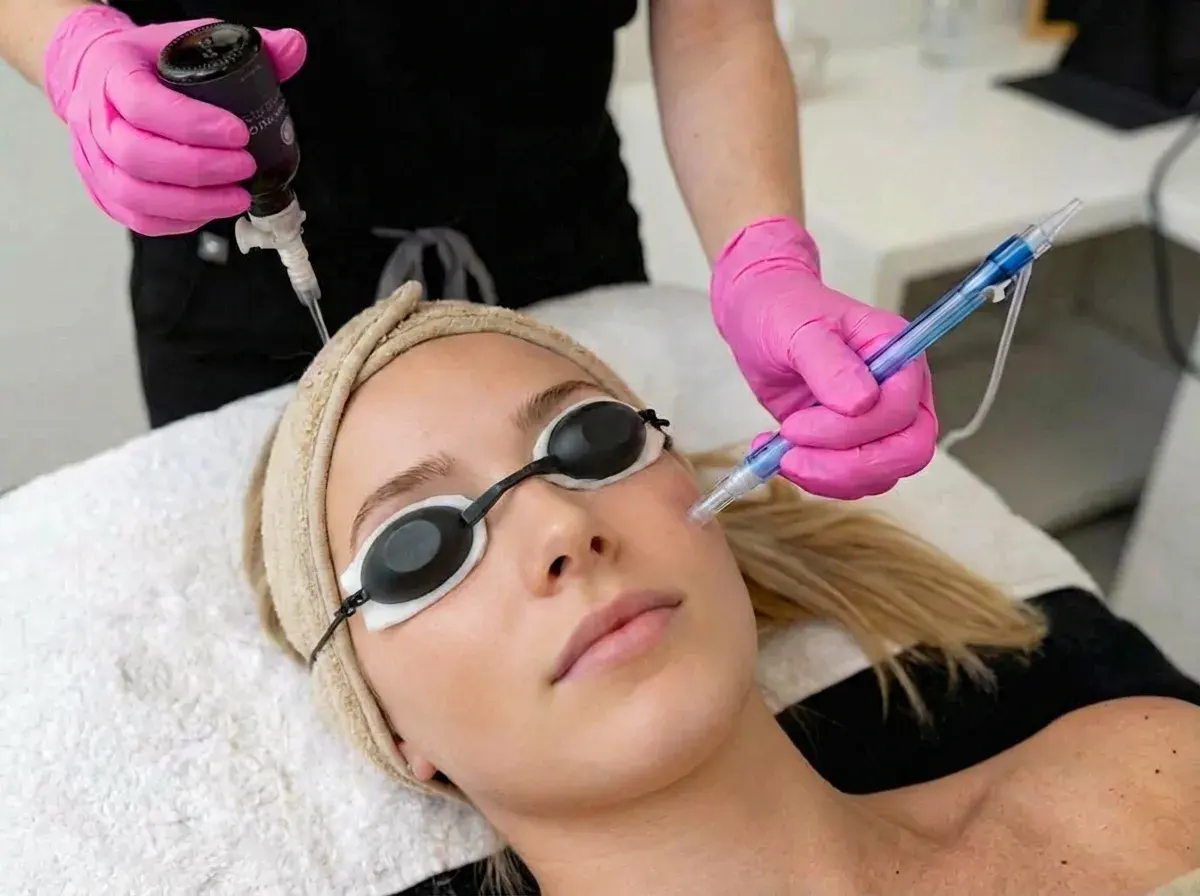
Microdermabrasion
A gentle mechanical exfoliation that removes the outermost layer of dead skin, smoothing texture and softening surface discolouration.
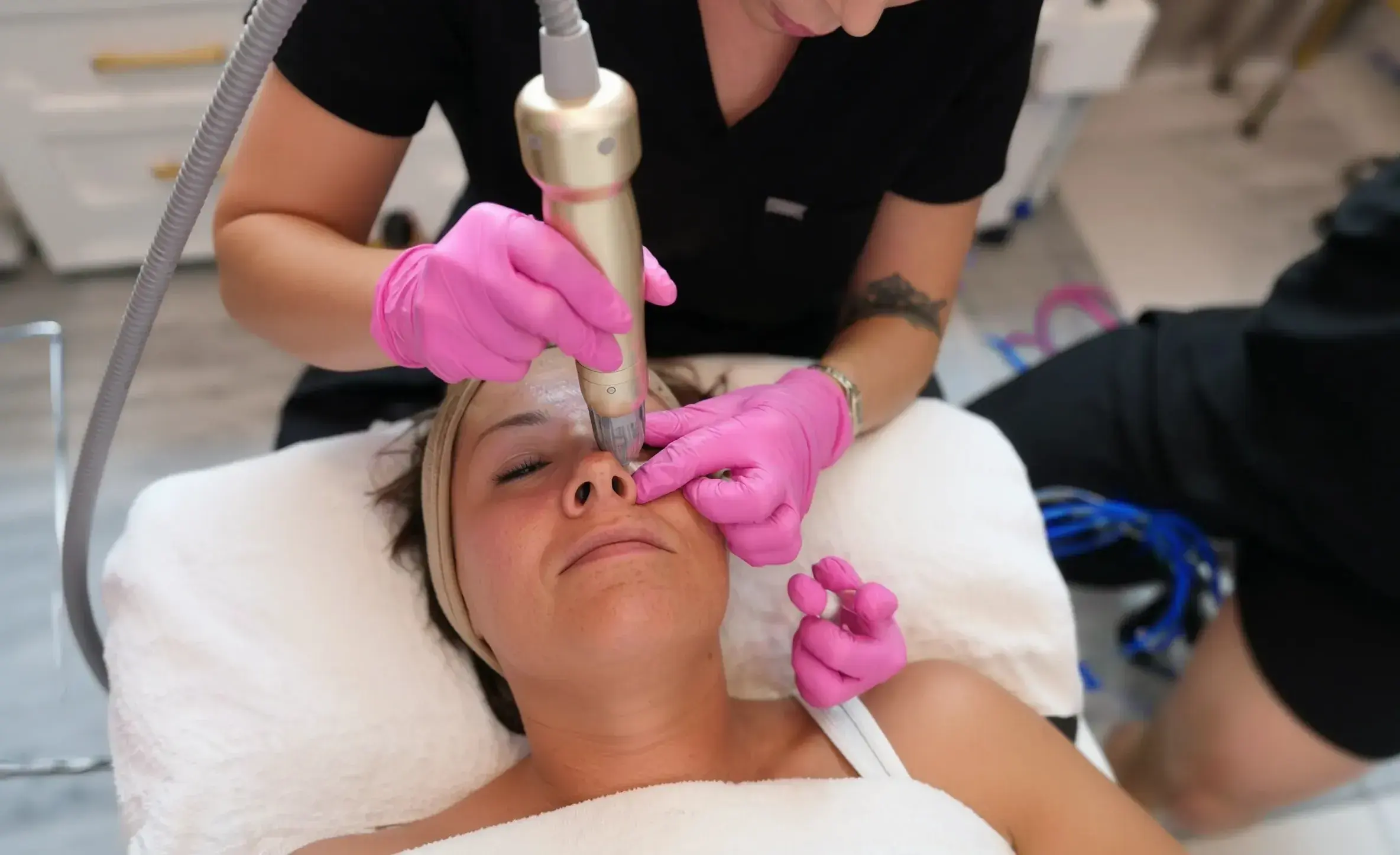
Tixel
A thermal-energy treatment that creates tiny micro-channels in the skin to boost renewal and the absorption of brightening agents.

How to Keep Melasma from Coming Back After Treatment
Melasma is chronic. Professional treatments lift existing pigment, but daily maintenance is what keeps it from returning. These at-home strategies are essential to your long-term results and should be followed consistently.

Cleanse Gently

Treat Daily

Hydrate the Barrier

Mask Strategically

Protect Daily
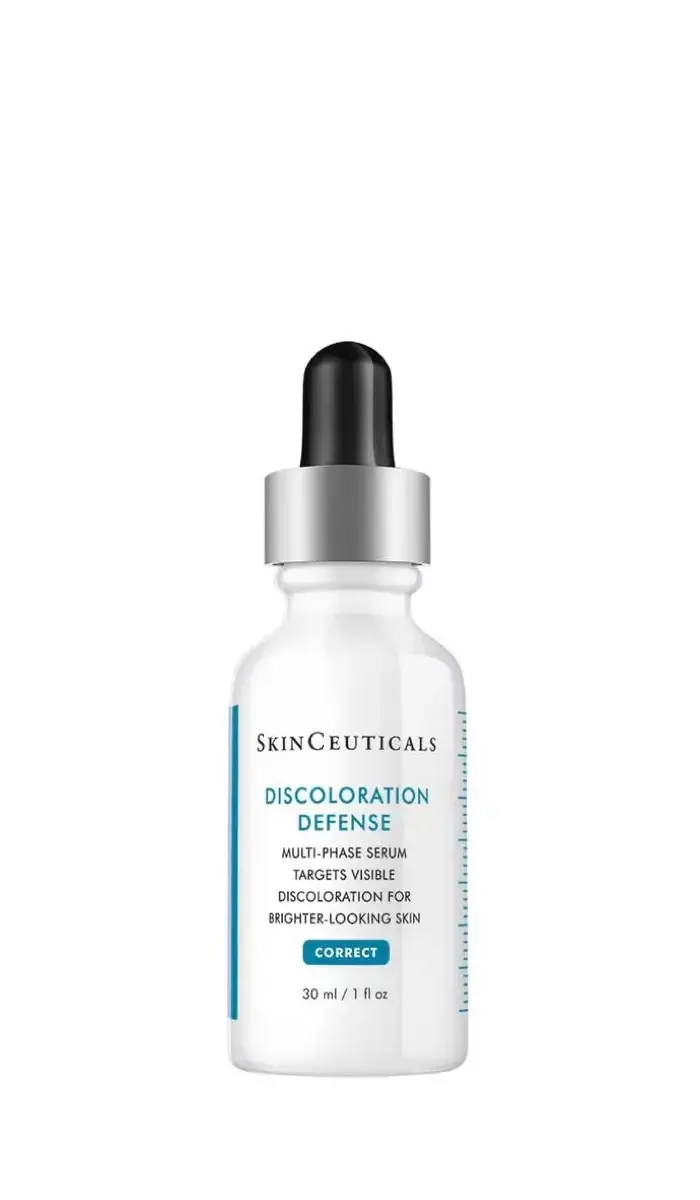
Recommended Skincare Protocol
SkinCeuticals Discoloration Defense
A daily corrective serum that targets melanin production at the source with tranexamic acid, niacinamide, and HEPES.




.webp&w=3840&q=75)





Skin Club Membership
Join the Skin Club
Exclusive Savings on Every Visit.
Beautiful skin is a long-term commitment, and Skin Club membership makes that commitment rewarding. Members receive preferred member pricing, priority booking with their preferred practitioner, and a personalized treatment roadmap so results keep building with every visit.
Discounted treatment packages and member-only pricing
Priority booking and scheduling with your preferred practitioner
Complimentary skin assessments & personalized treatment plans


The right plan starts with the right assessment.
Same-week consultations. No referral required.
FAQ
Common Questions About
Melasma Treatment
Hormonal changes, UV exposure, and heat trigger overactive pigment cells. Pregnancy, birth control, and sun exposure are the most common causes. Genetics also play a role in who develops melasma.
Melasma is a chronic condition. It can be significantly faded and managed long-term, but it tends to recur with hormonal shifts or sun exposure. Ongoing maintenance produces the most stable results.
A combination approach typically performs better than any single treatment. Controlled laser therapy, clinical peels, and medical-grade skincare together address melasma more thoroughly than any one option alone. The right combination depends on your pigment depth and skin type.
Most patients see meaningful improvement in 4 to 6 sessions, spaced 3 to 4 weeks apart. Deeper or more resistant melasma may need additional sessions. Victoria sets realistic timelines during your assessment.
It can. Sun protection and maintenance skincare are critical for holding results. Patients who commit to daily SPF and periodic in-office touch-ups see the longest-lasting improvement.
Melasma is a specific type of hyperpigmentation driven by hormones and light sensitivity. Other forms, like sun spots or post-inflammatory marks, have different causes and respond to different treatments.
Pricing depends on the treatments recommended for your specific case. We provide a full cost breakdown at your consultation so you can plan with clarity.
Yes. UV exposure is the strongest trigger for melanocyte activity. Most patients notice their patches darken between May and September. Year-round SPF 30 or higher is essential for managing melasma.
Sunscreen is foundational to melasma management. Broad-spectrum SPF 30 or higher, applied daily and reapplied every two hours outdoors, prevents UV from reactivating pigment cells. Mineral sunscreens with iron oxide offer added protection against visible light.
Melasma is more common in Fitzpatrick skin types III through VI, meaning medium to darker skin tones. However, it can affect any skin type, especially with hormonal triggers.
Melasma is a chronic pigmentation condition that produces symmetrical brown or grey-brown patches across the forehead, cheeks, upper lip, and chin. It is driven by overactive melanocytes responding to hormonal shifts (pregnancy, oral contraceptives, perimenopause), UV exposure, visible light, and heat. Melasma is not a sun damage spot or a single lentigo, which is why it returns after generic brightening creams stop working. At Victoria Rose Aesthetics in Pickering, Victoria Rose Cyr, RN BScN, assesses the depth (epidermal, dermal, or mixed) under Wood's lamp before recommending a layered plan that combines Sylfirm X pulsed-wave RF microneedling, chemical peels, and a SkinCeuticals Discoloration Defense topical regimen. Book a consultation to map your specific pattern and triggers.
A melasma patch is a defined area of hyperpigmentation that develops when melanocytes overproduce pigment in response to hormonal and UV triggers. The patches usually appear symmetrically on the face, most commonly across the cheeks, forehead, upper lip, and bridge of the nose. Unlike a single sunspot or freckle, melasma is a recurring condition that fades and returns with hormone cycles, summer sun, and even infrared heat from cooking or hot yoga. Victoria Rose Cyr, RN BScN, evaluates whether the pigment sits in the epidermis, the dermis, or both before building a layered plan. At Victoria Rose Aesthetics in Pickering, that plan typically combines Sylfirm X RF microneedling, chemical peels, and a topical regimen anchored by SkinCeuticals Discoloration Defense.
Melasma and chloasma describe the same condition: symmetrical brown or grey-brown facial patches caused by overactive melanocytes. Chloasma is the older term, traditionally used when the pigmentation appears during pregnancy and is sometimes called the mask of pregnancy. Today most clinicians use melasma as the umbrella term regardless of trigger, which includes hormonal contraceptives, perimenopause, UV exposure, visible light, and heat. Both share the same biology and respond to the same layered treatment approach. At Victoria Rose Aesthetics in Pickering, Victoria Rose Cyr, RN BScN, confirms the pigment depth with Wood's lamp before recommending Sylfirm X pulsed-wave RF microneedling, chemical peels, and a SkinCeuticals Discoloration Defense topical regimen. Book a consultation to discuss your hormonal history and triggers.
Melasma is managed rather than permanently cured, because the underlying melanocyte sensitivity remains active. The clinical approach is to lighten existing pigment, calm the vascular component that feeds recurrence, and protect against the UV and hormonal triggers that bring it back. At Victoria Rose Aesthetics in Pickering, Victoria Rose Cyr, RN BScN, typically layers Sylfirm X pulsed-wave RF microneedling (which targets the vascular network beneath stubborn patches), a series of chemical peels to accelerate epidermal turnover, and a daily SkinCeuticals Discoloration Defense regimen with broad-spectrum mineral SPF. A typical plan runs 4 to 6 sessions spaced 4 weeks apart, followed by quarterly maintenance. Book a consultation to map your pigment depth and triggers before starting.
Lasting melasma control requires a layered plan, not a single treatment. Topical-only routines plateau because they cannot reach dermal pigment or the vascular component driving recurrence. Victoria Rose Cyr, RN BScN, builds a plan around three pillars: in-clinic procedures that lighten existing pigment, daily topicals that suppress new pigment, and trigger management that protects the result. At Victoria Rose Aesthetics in Pickering, the in-clinic layer typically combines Sylfirm X pulsed-wave RF microneedling with chemical peels, while the home layer anchors on SkinCeuticals Discoloration Defense plus mineral broad-spectrum SPF reapplied every 2 hours outdoors. Most patients see meaningful clearing in 4 to 6 sessions spaced 4 weeks apart. Book a consultation to start your plan.
Melasma cannot be permanently eliminated because the melanocyte sensitivity that produces it stays active, but a layered clinical plan can clear visible pigment and keep it suppressed for long stretches. The plan combines an in-clinic component that reaches dermal pigment and a daily topical regimen that prevents new pigment from forming. At Victoria Rose Aesthetics in Pickering, Victoria Rose Cyr, RN BScN, typically layers Sylfirm X pulsed-wave RF microneedling with chemical peels, paired with a SkinCeuticals Discoloration Defense regimen and mineral broad-spectrum SPF. Fotona laser may be added for select cases after Wood's lamp depth assessment. Expect a 4 to 6 session series spaced 4 weeks apart, with quarterly maintenance to protect the result. Book a consultation to begin.
Effective melasma management combines three layers: in-clinic procedures that lighten existing pigment, daily topicals that suppress new pigment, and disciplined trigger control. Single-modality approaches typically plateau. At Victoria Rose Aesthetics in Pickering, Victoria Rose Cyr, RN BScN, usually pairs Sylfirm X pulsed-wave RF microneedling (which addresses the vascular network feeding stubborn patches) with a series of chemical peels for epidermal turnover. The home regimen anchors on SkinCeuticals Discoloration Defense and a mineral broad-spectrum SPF reapplied every 2 hours when outdoors. Fotona laser may be layered in for select pigment depths after Wood's lamp assessment. A typical clearance arc is 4 to 6 sessions spaced 4 weeks apart with quarterly maintenance. Book a consultation to start.
Ridding the skin of visible melasma is a process of layered clearing and ongoing maintenance, not a one-time procedure. The biology of melasma means melanocytes stay reactive to hormones, UV, and heat even after pigment fades, so a maintenance phase is part of every plan. At Victoria Rose Aesthetics in Pickering, Victoria Rose Cyr, RN BScN, typically layers Sylfirm X pulsed-wave RF microneedling with chemical peels and a daily SkinCeuticals Discoloration Defense topical regimen. The microneedling component is significant because Sylfirm X's pulsed wave targets the vascular network beneath persistent patches, which topical-only routines cannot reach. Plan on 4 to 6 sessions at 4 week intervals, followed by quarterly maintenance. Book a consultation to begin.
Melasma treatment at Victoria Rose Aesthetics begins with a clinical assessment under Wood's lamp to determine whether pigment sits in the epidermis, the dermis, or both layers. Victoria Rose Cyr, RN BScN, then builds a layered plan around three pillars. The in-clinic layer typically pairs Sylfirm X pulsed-wave RF microneedling, which targets the vascular component beneath persistent patches, with a series of chemical peels for controlled epidermal turnover. Fotona laser may be added for select cases. The home layer anchors on a SkinCeuticals Discoloration Defense regimen and mineral broad-spectrum SPF reapplied every 2 hours outdoors. The trigger layer covers hormonal review, heat avoidance, and visible-light protection. Expect 4 to 6 sessions spaced 4 weeks apart, then quarterly maintenance.
Facial melasma is the most common presentation, typically appearing symmetrically across the cheeks, forehead, upper lip, and bridge of the nose. The treatment approach is the same regardless of which facial zone is affected, but session count and device selection may shift based on pigment depth and skin tone. At Victoria Rose Aesthetics in Pickering, Victoria Rose Cyr, RN BScN, layers Sylfirm X pulsed-wave RF microneedling with chemical peels and a daily SkinCeuticals Discoloration Defense regimen anchored by mineral broad-spectrum SPF. Periorbital and upper-lip patches often respond well because Sylfirm X is safe to use close to the eye and on thinner skin. Plan on 4 to 6 sessions spaced 4 weeks apart with quarterly maintenance. Book a consultation to map your zones and triggers.