Nasolabial Fold Filler
- •Soften Smile Lines
- •Restore Mid-Face Volume
- •Immediate Results
- •Reversible HA Filler
Dermal filler for nasolabial folds softens the smile lines that deepen with age, restoring support to the mid-face with reversible hyaluronic acid that settles to a natural result within two weeks.
4.8★ · 163 Reviews
- Soften Smile Lines
- Restore Mid-Face Volume
- Immediate Results
- Reversible HA Filler

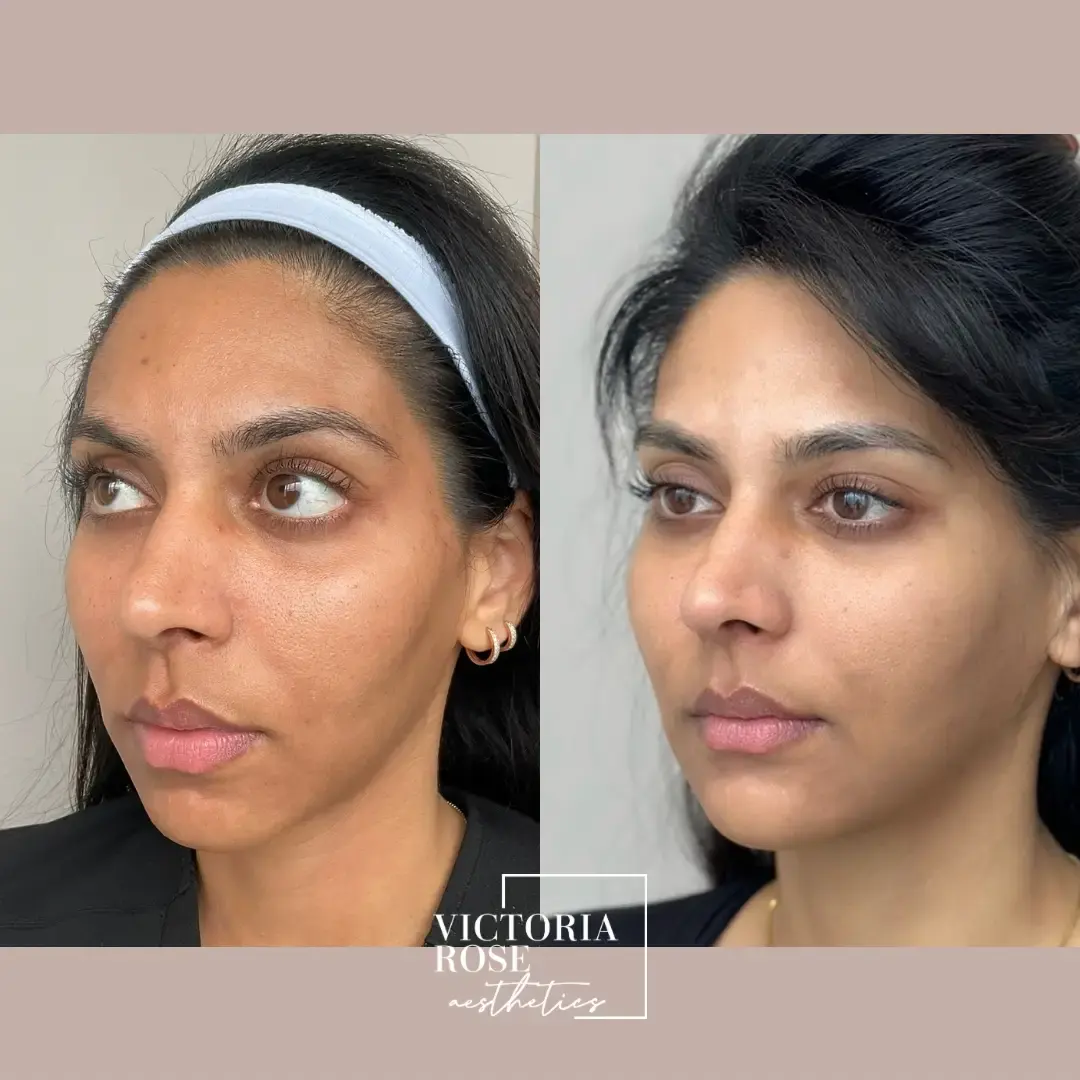
Nasolabial Fold Treatment Goals
What Nasolabial Fold Filler Treats

Deep Nasolabial Folds
Significant folds are softened by restoring volume in the cheek above the fold, which lifts the overlying soft tissue and reduces the depth of the crease naturally.
Treatments+
Restoring volume in the cheek above the crease lifts the soft tissue and softens the fold more naturally than filling the line itself, and tends to last longer.
Causes+
The cheek fat pad descends with age and skin loses support, so tissue gathers at the crease and the line stays visible at rest.
Nasolabial Fold Filler Results
What to expect, from the day of treatment to settled results
Immediate (Day 1)
Day 1 · immediate softening
Fold softening is visible right away. Mild swelling along the treated area is normal and usually settles within two to five days. You can return to most normal activities the same day.
First Two Weeks
Weeks 1-2 · settling in
The filler integrates with the surrounding tissue over the first couple of weeks. Early swelling resolves and the contour begins to read accurately. We assess fold depth and symmetry at your complimentary two-week follow-up.
Peak Results (Months 1 to 18)
Months 1-18 · settled result
Once the filler has fully settled, you see the final softening of the fold. Results typically last 12 to 18 months depending on placement depth and your metabolism, with cheek-supported placement generally lasting longer than direct fold injection.

The VRA Experience
Why Patients Choose VRA for Nasolabial Fold Filler
Victoria Rose Cyr, RN, BScN, brings over a decade of clinical experience, plus years spent teaching it, first in the classroom and now as a national clinical trainer for a respected aesthetics brand. Today that expertise goes into her Pickering practice and the team of experts she's built around it.
Victoria Rose Cyr is a Registered Nurse (BScN) and the founder of Victoria Rose Aesthetics, with 10 years of clinical experience, six years running her own practice, and five years as a national clinical trainer. She sets the clinical standard every treatment at VRA is held to.
Victoria is a clinical trainer for Nuceiva and Teosyal, mentoring physicians, nurses, med spa owners, and injectors across Canada in precise, evidence-based technique.
We assess what's driving the folds, often volume loss higher in the cheek as much as the fold itself, before placing filler, by a VRA injector under medical oversight.
Patient Reviews
What Our Patients Say
Honest words from patients at Victoria Rose Aesthetics in Pickering.
I recently had a Sofwave treatment at Victoria Rose Aesthetics and the entire experience exceeded my expectations. From the moment I walked in, the space felt elevated, welcoming, and incredibly…
Antonella Calandra
Victoria Rose Aesthetics · Pickering
Treatment Process
Nasolabial Fold Treatment Process
From your first consultation through maintenance, here is exactly what to expect at every step of your Nasolabial Fold Filler at Victoria Rose Aesthetics.
Step 01 · Consultation
Consultation and Mid-Face Assessment
We evaluate fold depth, cheek volume, and overall mid-face structure to determine whether direct fold injection, cheek volume restoration, or a combination approach gives the most natural result.
- Fold depth and cheek volume assessed
- Mid-face structure reviewed in full
- Direct, cheek-lift, or combined approach chosen

Treatment Areas
Areas We Treat with Dermal Filler
Each area is its own treatment with its own technique and dosing, and many patients combine areas in a single coordinated session. Explore each treatment below, or book a consultation for a custom plan.
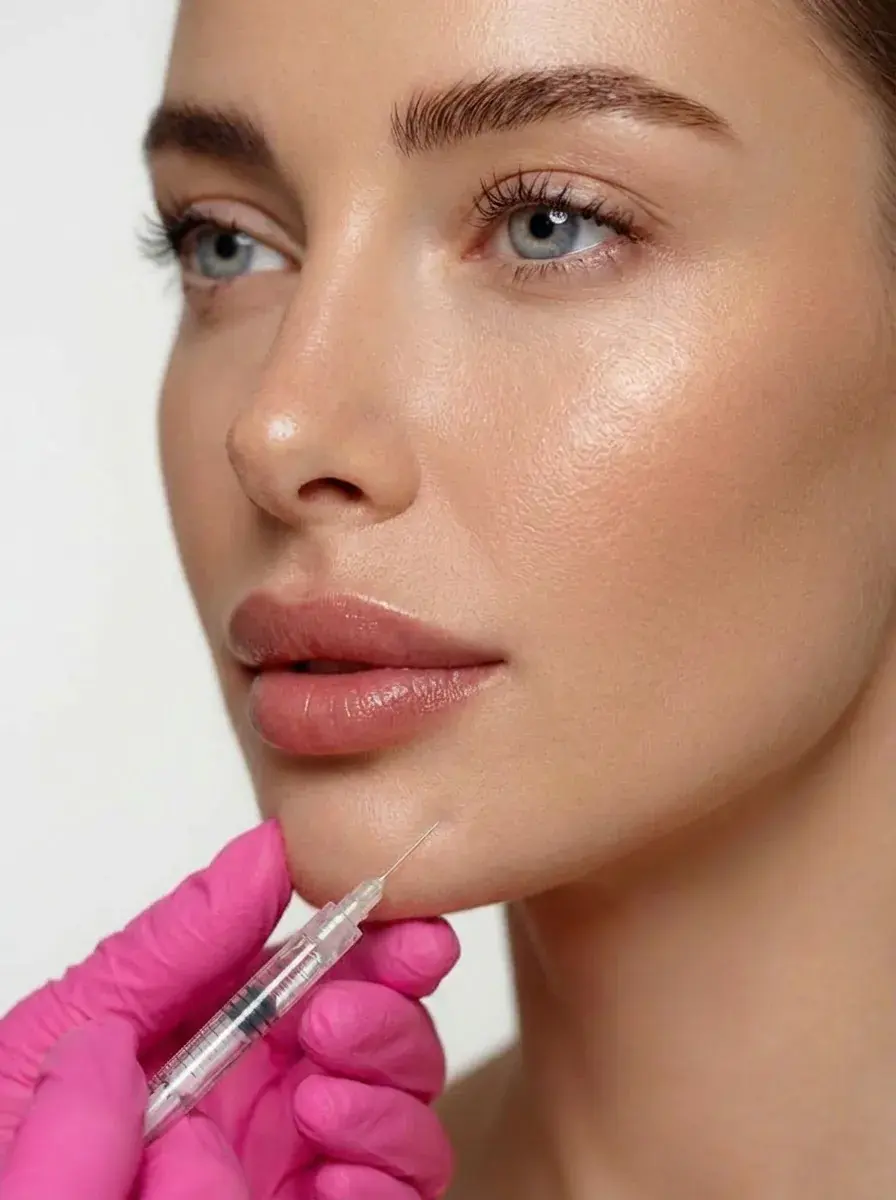
Chin Filler
Chin Filler
Consultation Required
Chin filler is injectable hyaluronic acid that adds forward projection and reshapes your chin for better facial…
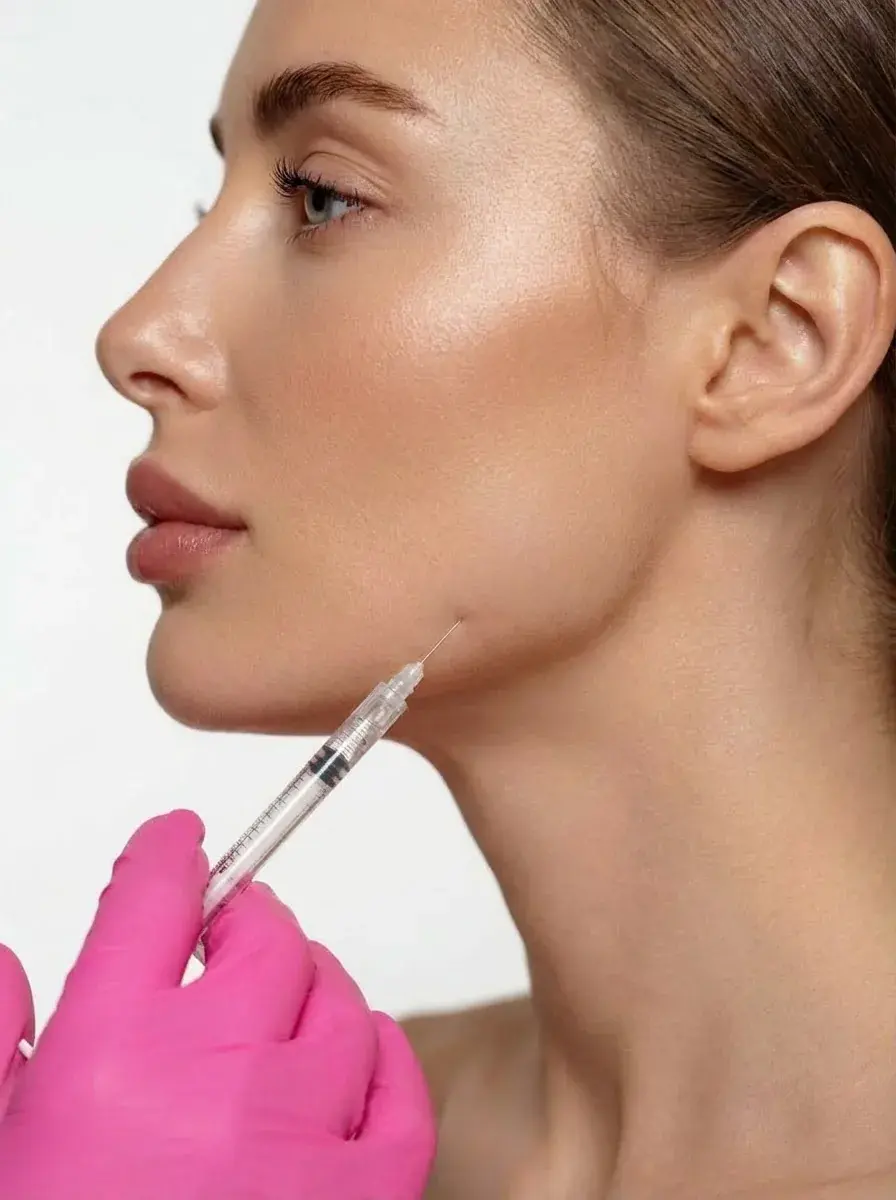
Jawline Filler
Jawline Filler
Consultation Required
Jawline filler is hyaluronic acid injected along your jawline to create a sharper, more defined lower face, with…
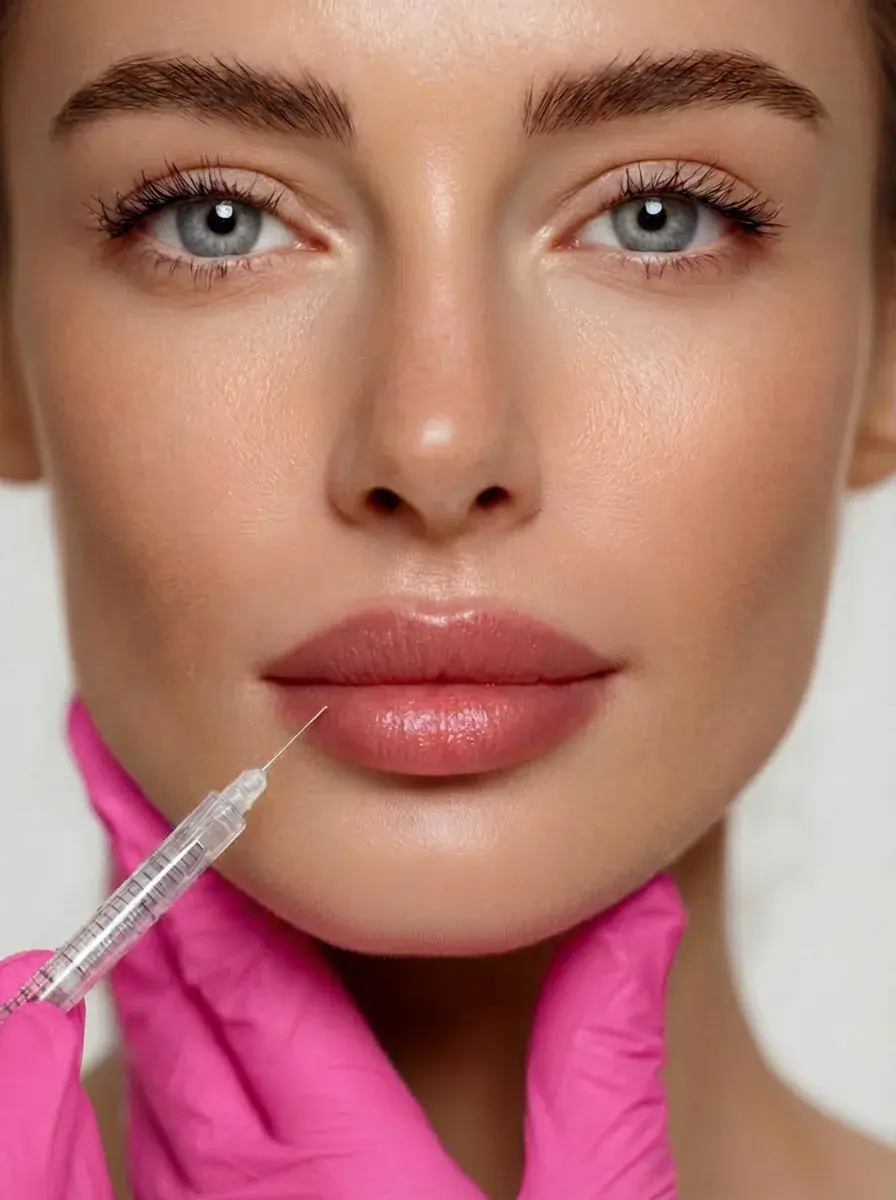
Lip Filler
Lip Filler
Consultation Required
Lip filler uses Teosyal hyaluronic acid to add volume, definition, and symmetry to your lips with soft…
Liquid Facelift
Liquid Facelift
Consultation Required
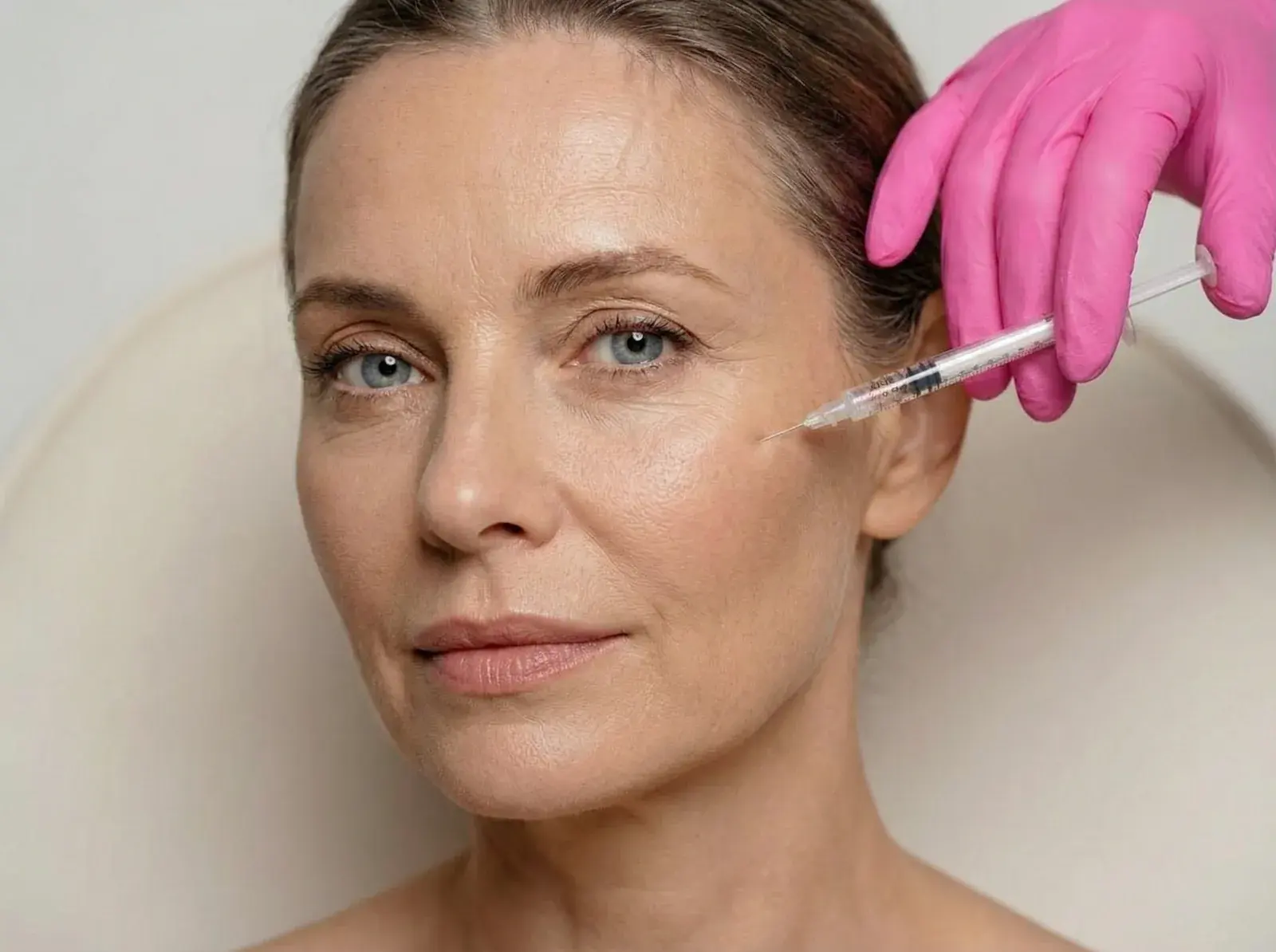
A liquid facelift combines Botox and hyaluronic acid injections in a single session to smooth dynamic lines, restore…
Under Eye Filler
Under Eye Filler
Consultation Required
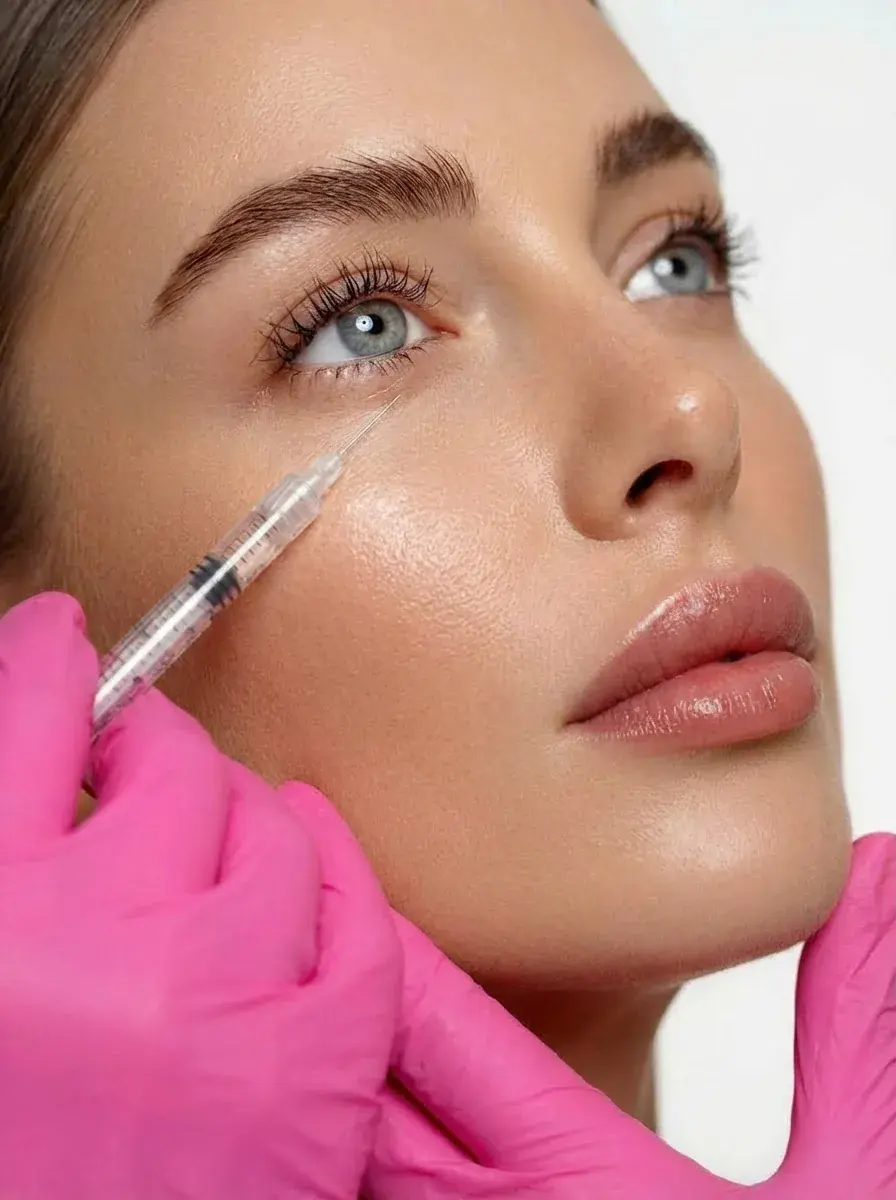
Under-eye filler is a hyaluronic acid injection that restores volume beneath the eyes to soften shadows and…
Chin Filler
Chin Filler
Consultation Required
Chin filler is injectable hyaluronic acid that adds forward projection and reshapes your chin for better facial…
Jawline Filler
Jawline Filler
Consultation Required
Jawline filler is hyaluronic acid injected along your jawline to create a sharper, more defined lower face, with…
Lip Filler
Lip Filler
Consultation Required
Lip filler uses Teosyal hyaluronic acid to add volume, definition, and symmetry to your lips with soft…
Liquid Facelift
Liquid Facelift
Consultation Required
A liquid facelift combines Botox and hyaluronic acid injections in a single session to smooth dynamic lines, restore…
Under Eye Filler
Under Eye Filler
Consultation Required
Under-eye filler is a hyaluronic acid injection that restores volume beneath the eyes to soften shadows and…
Skin Club for Injectable Treatments
Keep Your Skin Looking Refreshed Between Appointments
Skin Club members receive a monthly professional facial to maintain skin quality and radiance between injectable appointments. Members also save 15% on SkinCeuticals and ZO Skin Health products, with priority booking at every visit.
Monthly professional facial included
15% off medical-grade skincare products
Priority booking at every visit
Nasolabial Fold Pricing Pickering
Why Patients Choose VRA for Nasolabial Fold Treatment in Pickering
Your nasolabial fold appointment starts with a proper look at your mid-face, because the fold is usually a sign of volume loss higher in the cheek.
Mid-Face Assessment
Root cause first
We assess cheek volume and fold depth together before placing any filler, so we treat what is driving the fold rather than only the line.
Cheek-Lift Approach
Natural softening
For many patients, supporting the cheek above the fold softens the crease more naturally and tends to last longer than injecting the fold directly.
Two-Week Follow-Up
Included
Every treatment includes a complimentary two-week review, so any small refinements can be made once the filler has settled.


The right plan starts with the right assessment.
Same-week consultations. No referral required.
FAQ
Your Nasolabial Fold Questions,
Answered by Victoria
Everything you need to know about smile line treatment before your appointment at Victoria Rose Aesthetics.
Most patients need 1 to 2ml of hyaluronic acid, with the exact volume depending on fold depth and whether your plan supports the cheek above the fold or treats the line directly. We give you a full volume estimate at your consultation after assessing your mid-face.
12 to 18 months depending on product placement depth and your metabolism. Mid-face and cheek approaches typically last longer than direct fold injections.
Yes, when placed correctly. VRA uses a cheek-lifting approach for most patients which produces a more natural result than packing the fold directly.
Yes. Nasolabial fold treatment is commonly combined with cheek volume restoration, Botox for forehead lines, and lip plump as part of a full facial rejuvenation plan.
Yes. All hyaluronic acid products used at VRA can be dissolved with hyaluronidase if needed.
Maintaining regular treatment appointments helps prevent folds from deepening further by continuously supporting the mid-face soft tissue structure.
For nasolabial folds, hyaluronic acid injections from the Teosyal range work well because the product can be matched to the depth and consistency required for cheek support or direct fold placement. Heavier-particle HA gels are placed on the cheekbone to lift the mid-face, while softer formulations sit closer to the fold itself. Teosyal products are Health Canada-approved and contain lidocaine for in-treatment comfort. Your practitioner assesses your fold depth, cheek volume, and skin quality at the consultation, then selects the product and placement plan that addresses the underlying volume loss rather than only the surface line. Book a consultation in Pickering to discuss which Teosyal product fits your anatomy.
Yes. Cheek volume restoration is often the most effective way to soften nasolabial folds because the fold itself is usually a consequence of mid-face volume loss, not the original cause. When the cheek pad descends with age, the tissue gathers at the nasolabial crease and deepens the line. Placing hyaluronic acid along the cheekbone re-supports the mid-face, which lifts the fold upward and reduces its depth without injecting directly into the line. Your practitioner evaluates your cheek projection and fold depth together at the consultation, since treating the cheek above the fold typically gives a more natural and longer-lasting result than direct fold injection alone.
Generally no, when placed correctly. Lip volume restoration sits within the lip border and the immediate peri-oral area, so it does not add weight to the mid-face or push tissue downward onto the nasolabial fold. Concerns usually arise from over-volumized lips or from product migration upward, which can subtly fullness the area below the nose. Conservative dosing, accurate placement, and respecting the white roll prevent this. Your practitioner plans lip volume separately from any nasolabial or cheek work, and reviews how each area interacts at the 2-week follow-up. If you are considering both areas, the cheek and fold are usually addressed first to restore mid-face support before lip volume is added.
Hyaluronic acid injections in the nasolabial area typically settle within 2 weeks. The first 24 to 72 hours can include mild swelling, small bruising, or a firmer feel as the product integrates with the surrounding tissue. By day 7, most of the initial swelling has resolved and the contour starts to read accurately. By the 2-week mark, the gel has fully hydrated and bonded with tissue, giving you the final result. Victoria Rose Cyr, RN BScN, books every nasolabial patient for a complimentary 2-week follow-up so any small refinements can be made once the product has settled. Avoid strenuous exercise, alcohol, and facial massage for 24 to 48 hours to support clean integration.
It depends on how much volume your mid-face has lost. Shallow folds and early smile lines are usually corrected comfortably in a single visit. Deeper folds or significant cheek volume loss are often better staged across two appointments a few weeks apart, since adding volume gradually lets us assess how the tissue lifts before placing more and avoids over-correction in one sitting. A cheek-supported plan typically treats one side at a time along the cheekbone so symmetry can be checked as we go. Your practitioner recommends whether to treat in one session or stage it at your consultation, after assessing fold depth, cheek projection, and skin laxity. Conservative dosing across staged visits is preferred over filling everything in a single appointment.
For most patients, dermal filler is the most direct treatment for nasolabial folds. Hyaluronic acid restores the mid-face support that lets the crease deepen, softening the line the same day. Deeper folds or significant volume loss may also call for a biostimulator such as Sculptra to rebuild collagen over time, energy-based skin tightening, or, in advanced cases, a surgical lift. Your practitioner assesses your fold depth, cheek volume, and skin quality at the consultation and matches the approach to what is actually driving your folds.
Yes. Dermal filler is a non-surgical, same-day option for nasolabial folds. Hyaluronic acid is placed to support the mid-face and soften the crease with no incisions and no downtime. Results are visible immediately, and the filler can be dissolved with hyaluronidase if you ever want it reversed. Your practitioner reviews whether filler alone meets your goals at the consultation.