TMJ & Bruxism
The jaw that never lets go.
The headache is there before your feet hit the floor. You catch yourself clenching at the desk by mid-morning, your dentist points to a worn molar, and the muscle along the jaw feels like a knot you cannot release. This is where Botox for the masseter does meaningful work.

TMJ & Bruxism
The jaw that never lets go.
The headache is there before your feet hit the floor. You catch yourself clenching at the desk by mid-morning, your dentist points to a worn molar, and the muscle along the jaw feels like a knot you cannot release. This is where Botox for the masseter does meaningful work.
CONCERN & CAUSES
What Jaw Clenching and Bruxism Look Like
Most patients arrive calling it one thing. In the treatment room, jaw tension usually splits into a few distinct drivers, and the mix you have shapes how the muscle is treated.
01
Nighttime Bruxism
Bruxism is the unconscious grinding and clenching of the teeth, most often during sleep. Repeated force flattens enamel, fractures fillings, and bulks up the masseter muscle along the jaw over time.
02
TMJ Joint Dysfunction
TMJ disorder is dysfunction in the joint that hinges the lower jaw to the skull. Clicking, popping, locking, and pain on chewing point to the disc and ligaments inside the joint itself.
03
Masseter Hypertrophy
Years of heavy clenching enlarge the chewing muscle the way load builds any muscle. The lower third of the face can read squarer or wider, and the angle of the jaw grows more pronounced.
04
Tension Headaches
Overloaded jaw muscles refer pain outward across the temples and behind the eyes, often worse on waking. Ear fullness without infection and daytime clenching tied to stress round out the pattern.
Treatment Benefits
Targeted Relief for Jaw Tension in Pickering
Botox does not act on the joint. It eases the masseter, the chewing muscle that drives clenching, so the involuntary heavy load softens. Victoria, an RN with over a decade of clinical experience, starts conservative and adjusts at the follow-up.
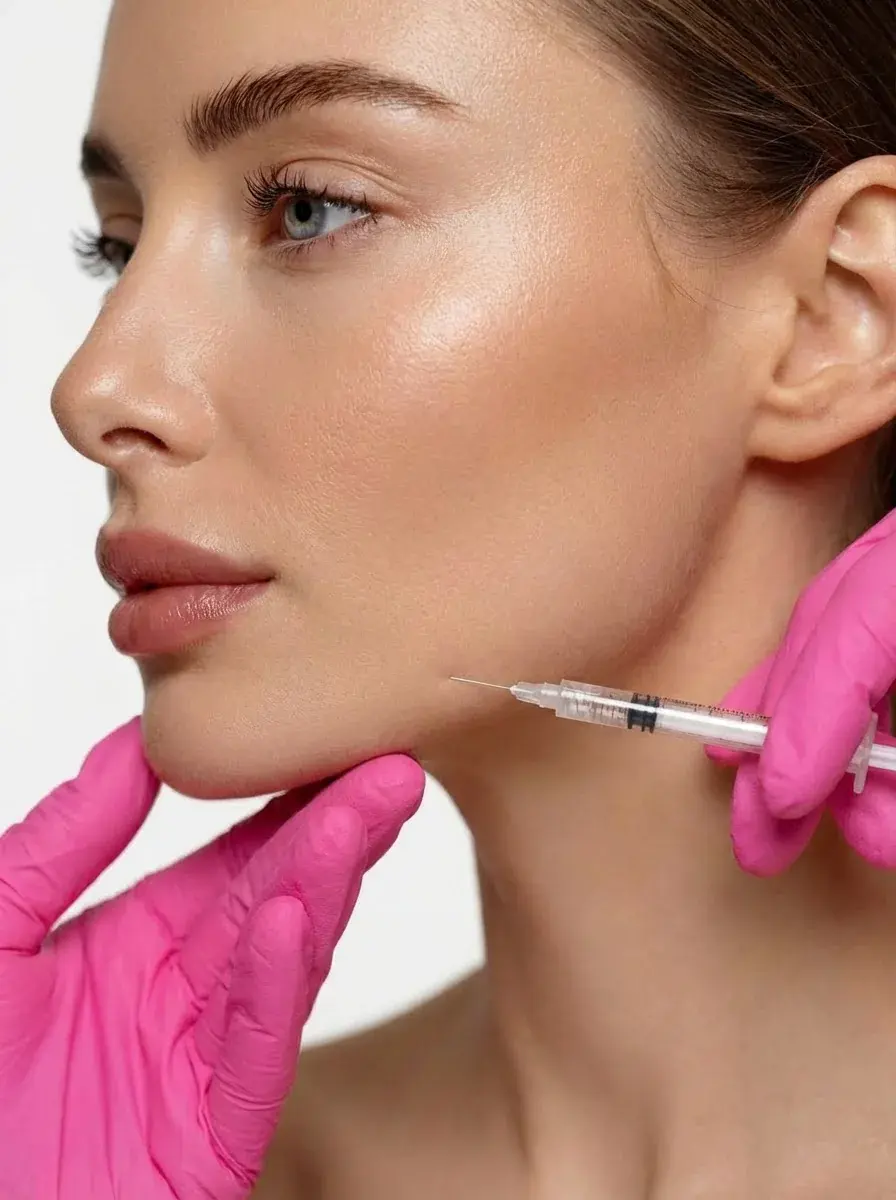
Botox for TMJ
A targeted injection of neuromodulator into the belly of the masseter muscle on each side of the jaw. It weakens the muscle's maximum clenching force without affecting normal chewing.
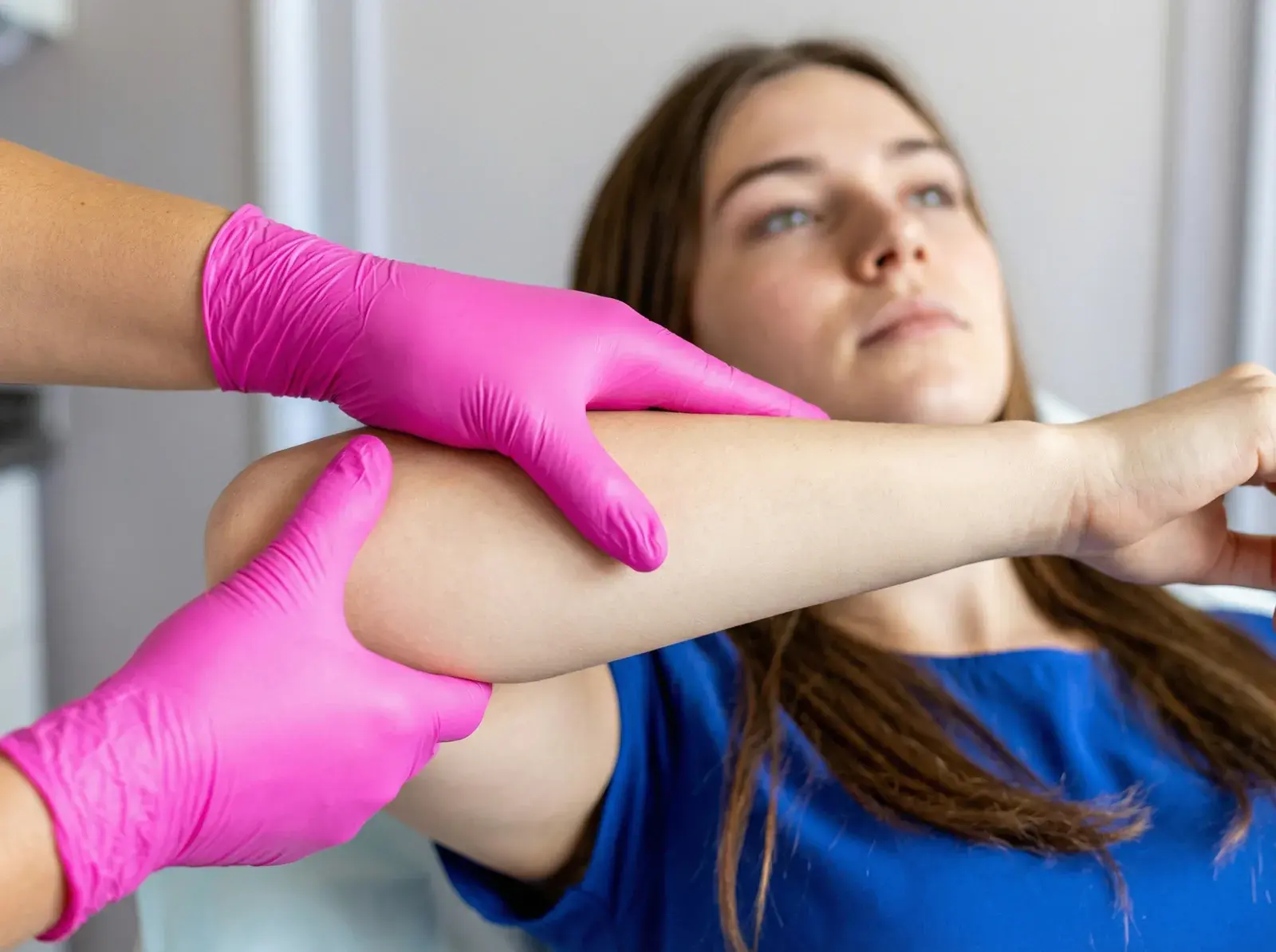
Pain Management
Protocols that address the chain of muscle tension and inflammation around the jaw, including the trapezius, the sternocleidomastoid, and the suboccipital muscles at the base of the skull.
How to Hold Your Relief Between Treatments
Botox eases the force of clenching, but the habit and its drivers stay. The dental, stress, and sleep side of the equation carry the result over the long run, and the habits below are how you hold it between visits.

Keep the Night Guard

See Your Dentist

Manage the Stress Load

Check Your Sleep

Keep the Follow-Up
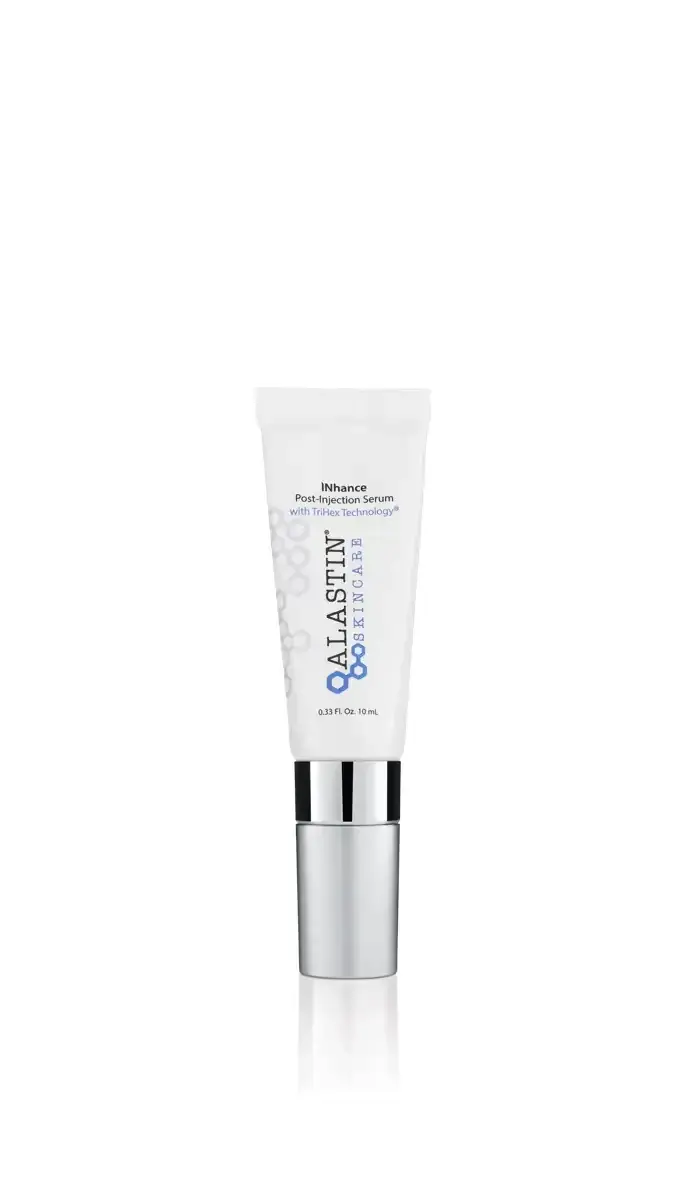
Recommended Skincare Protocol
ALASTIN INhance Post-Injection Serum
A supportive serum formulated to complement injectable treatments, with a cooling applicator tip that soothes the area and TriHex Technology to help skin recover and stay resilient between visits.



.webp&w=3840&q=75)




Skin Club Membership
Join the Skin Club
Exclusive Savings on Every Visit.
Beautiful skin is a long-term commitment, and Skin Club membership makes that commitment rewarding. Members receive preferred member pricing, priority booking with their preferred practitioner, and a personalized treatment roadmap so results keep building with every visit.
Discounted treatment packages and member-only pricing
Priority booking and scheduling with your preferred practitioner
Complimentary skin assessments & personalized treatment plans


The right plan starts with the right assessment.
Same-week consultations. No referral required.
FAQ
Common Questions About
TMJ and Bruxism Treatment
For most patients with muscle-driven bruxism, yes. Botox for teeth grinding weakens the masseter's force output so the nighttime clenching causes less wear and less morning pain. The effect builds over one to two weeks and lasts roughly four to six months. It works less well when the primary issue is joint dysfunction rather than muscle overuse.
Most patients notice softer morning jaw soreness within seven to fourteen days. The full effect of the treatment lands around week four. If you are not feeling enough relief at the follow-up visit, a small top-up dose is common.
On average four to six months. With repeat treatment cycles the muscle gradually atrophies back toward a normal resting size, and some patients find their interval extends beyond six months over time.
No. The dose used to reduce clenching is well below what would impair normal chewing. You may notice tougher foods like raw carrots or jerky take slightly more effort during the first few weeks. Soft and normal-texture foods are unaffected.
Possibly. Patients with significant masseter hypertrophy from years of clenching often see the lower face soften over a few treatment cycles. This is a real but secondary effect. We treat for pain relief first, and any aesthetic change follows in many patients as a side benefit.
The injections feel like brief pinches. The masseter is a deep muscle, so the needle goes in a little further than a forehead Botox treatment, but it is well tolerated. Most patients are back to their day immediately.
Yes. If your dentist has fitted you for one, keep wearing it. The guard protects your teeth from the residual force that remains, and the Botox reduces that force. They work together, not in place of each other.
Botox treats the muscle, not the joint. If the click comes from disc displacement inside the joint itself, reducing the masseter's force can ease the load on the joint and sometimes quiet the click, but it does not repair the disc. Patients with significant joint involvement may benefit from a referral to a TMJ specialist.
Cost depends on the dose needed, which varies by muscle size and clenching pattern. We outline pricing transparently at your assessment so you can plan the treatment series with confidence.
Almost none. Most patients return to their day right away. You may feel slight tenderness at the injection points for a few hours, and we ask you to avoid rubbing the area or lying flat for about four hours. Hold off on strenuous exercise until the next day, and any minor swelling settles quickly.