
Rosacea
The redness that does not fade anymore.
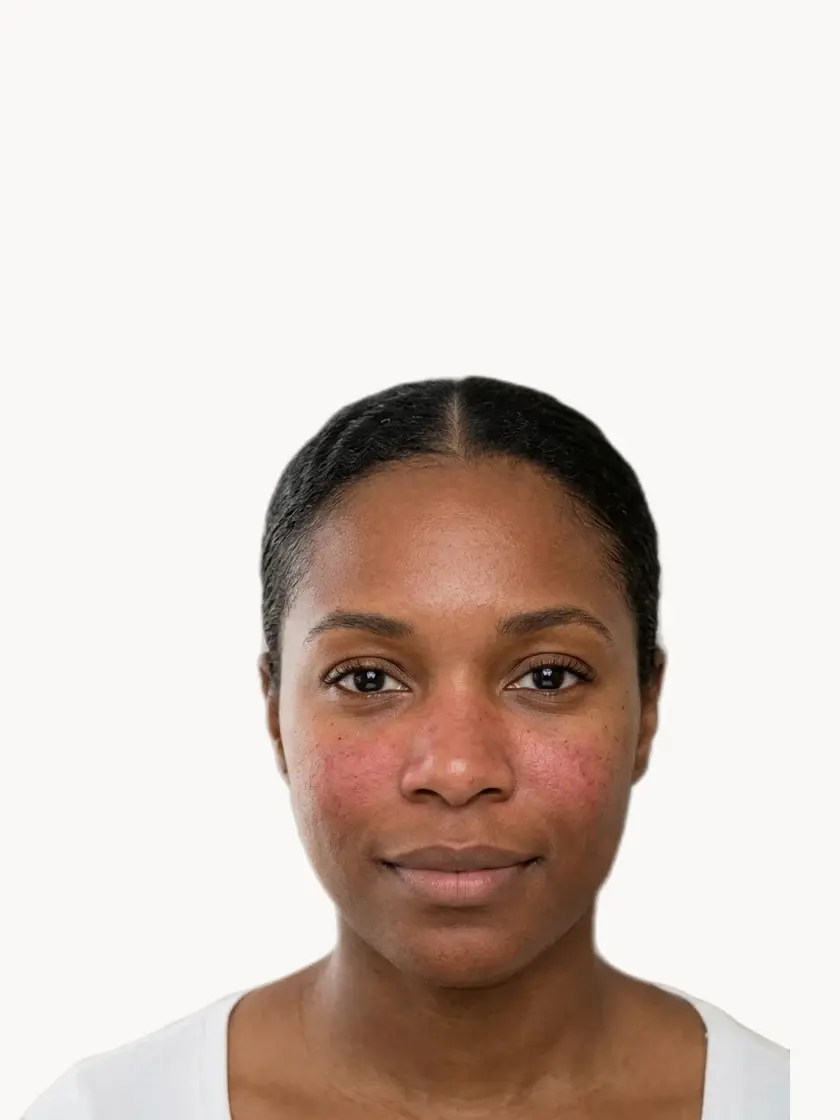
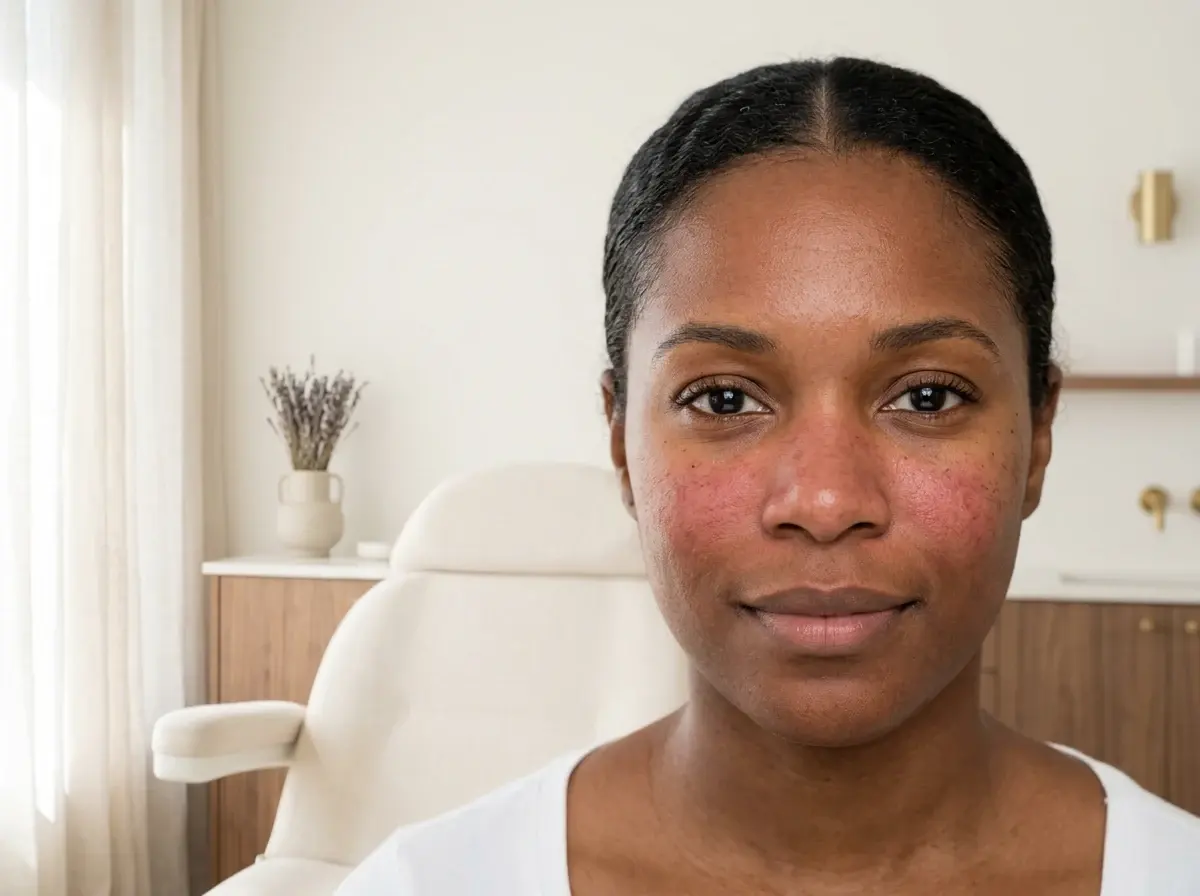
Your cheeks flush at the smallest trigger. A glass of wine, a hot room, a cold wind. Rosacea is a chronic skin condition, not a sensitivity you can moisturise away, and the redness no longer settles the way it used to once a flare passes.
Rosacea
The redness that does not fade anymore.
Your cheeks flush at the smallest trigger. A glass of wine, a hot room, a cold wind. Rosacea is a chronic skin condition, not a sensitivity you can moisturise away, and the redness no longer settles the way it used to once a flare passes.
CONCERN & CAUSES
What Rosacea Actually Looks Like
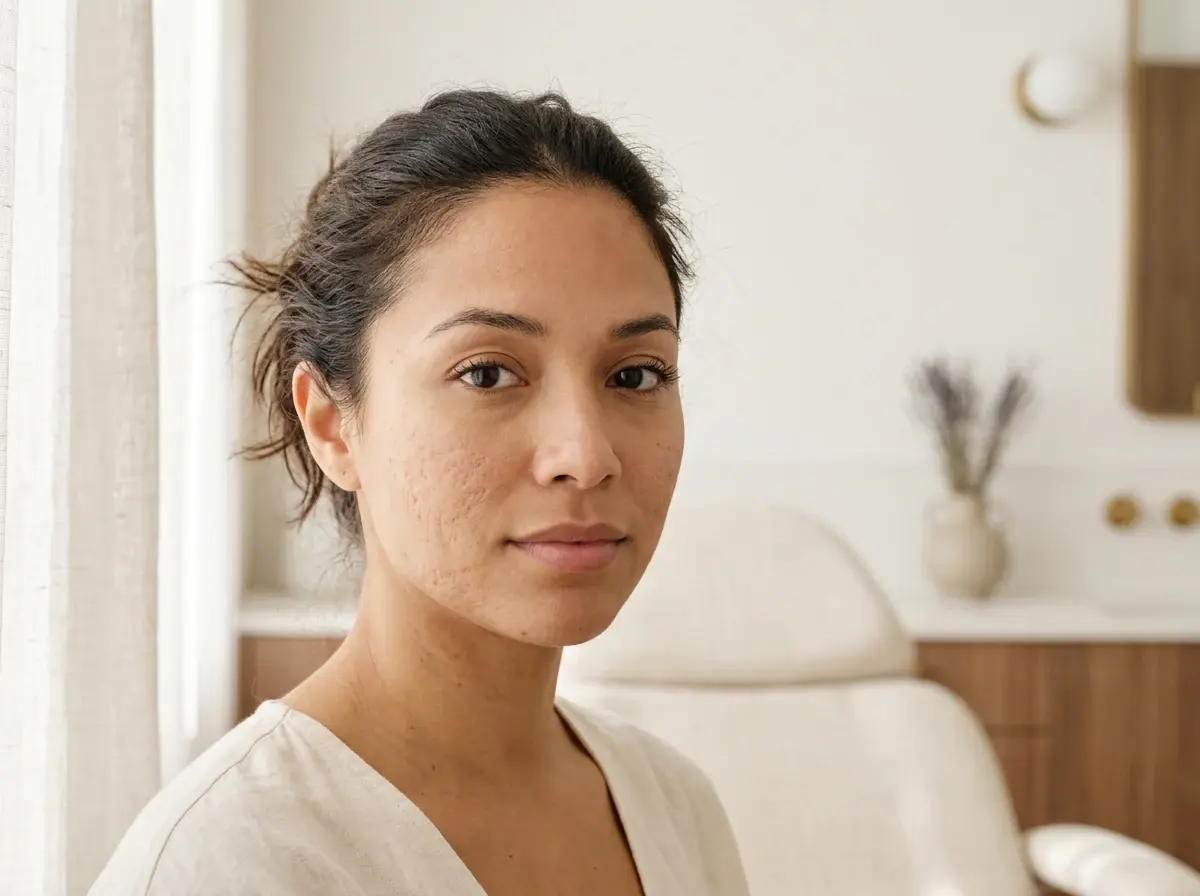
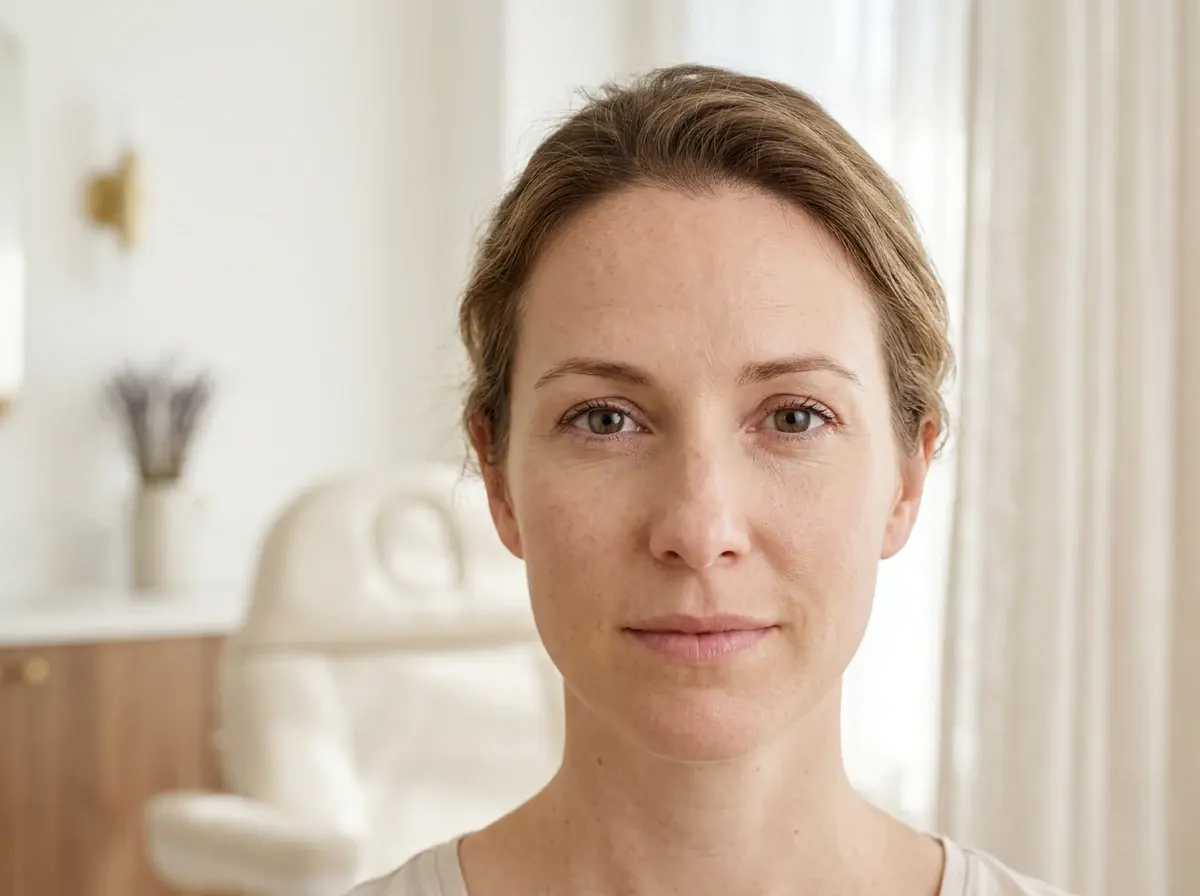
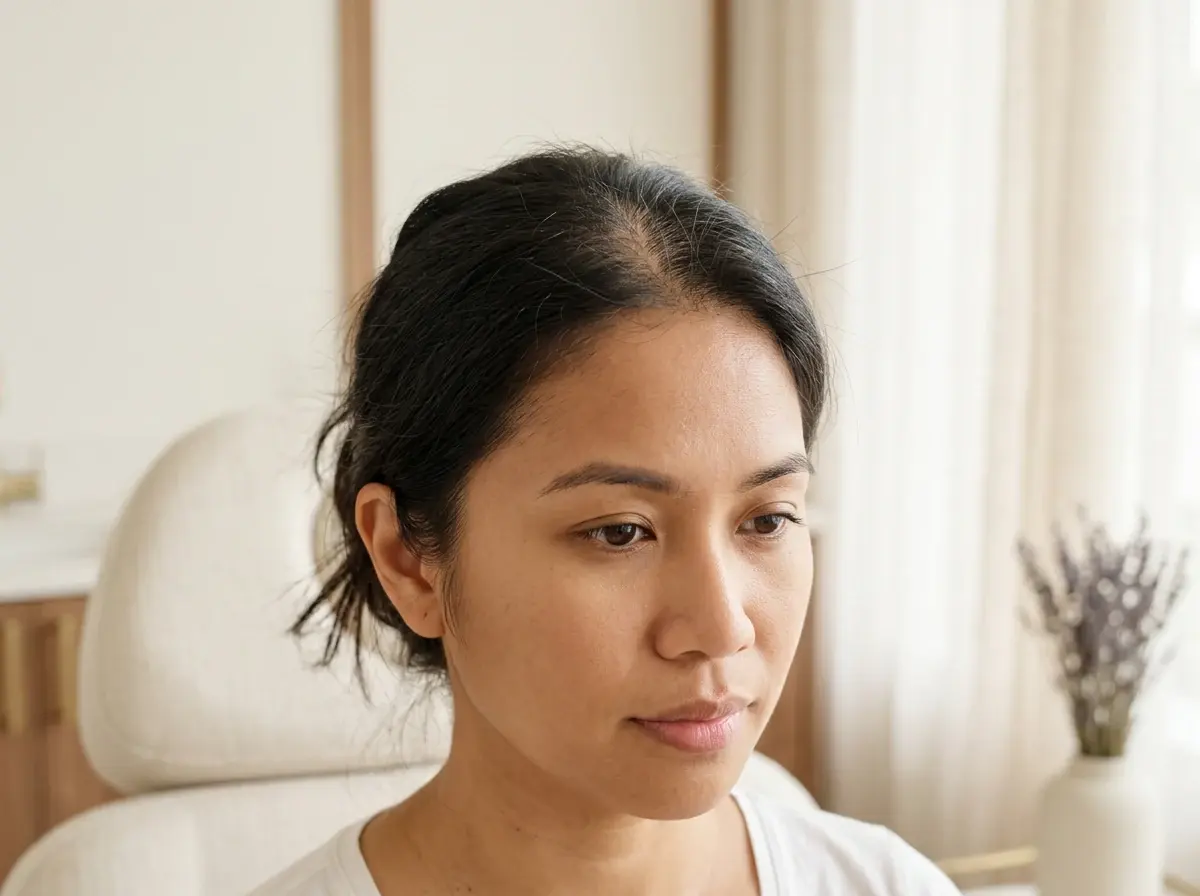
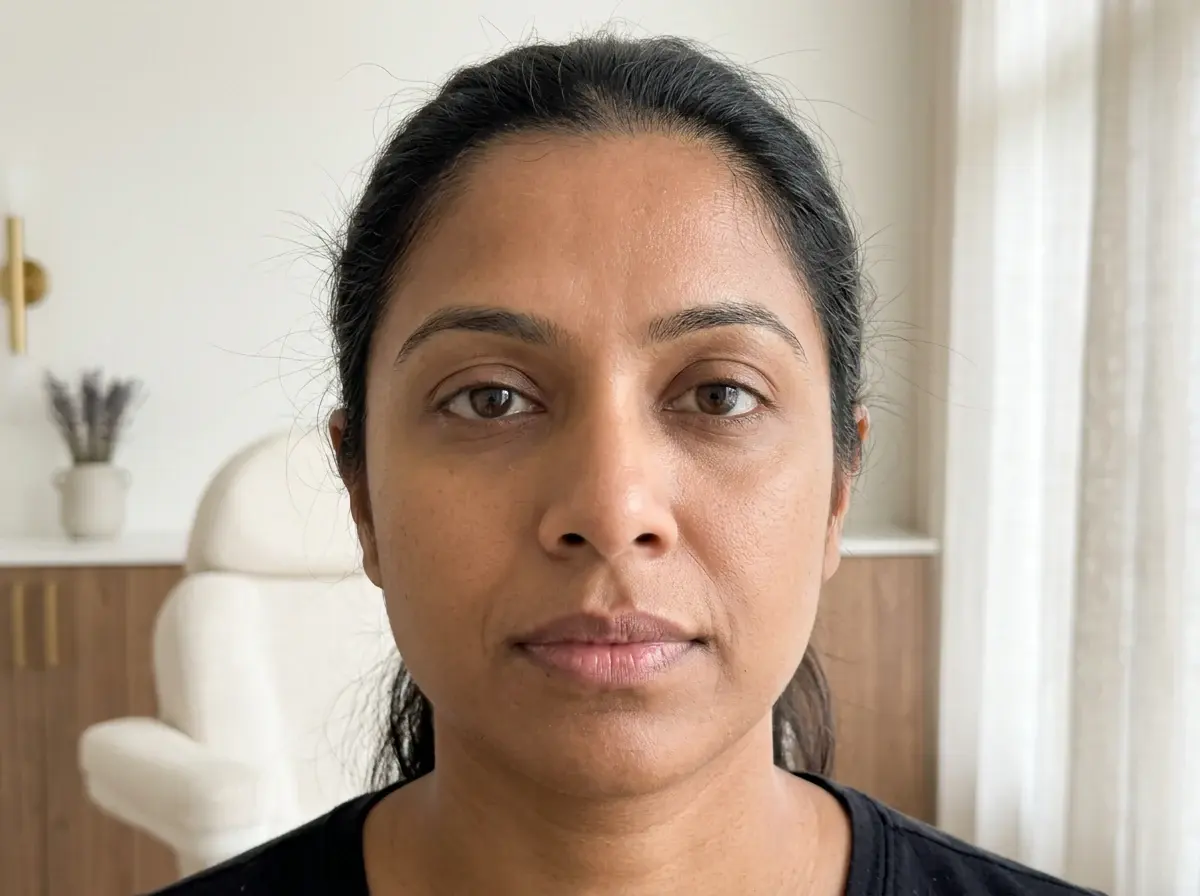
Most patients arrive calling it sensitive skin. In the treatment room, rosacea usually splits into a few distinct presentations, and each one responds to a different part of the plan.
01
Persistent Redness and Flushing
Facial vessels dilate too easily and stop constricting normally, so the central face holds a flush long after the trigger passes. The redness across cheeks and nose reads as a base tone.
02
Visible Capillaries
Repeated dilation weakens vessel walls until small red threads stay open across the cheeks, nose, and chin. Foundation never quite covers them, and they respond well to vascular laser settings.
03
Bumps and Pustules
An overactive inflammatory response raises small red bumps that resemble acne but follow a different cause. Standard acne products tend to irritate this skin, so the approach stays calm and clinical.
04
Barrier Dysfunction
The outer skin layer in rosacea is often compromised, letting irritants in and moisture out. That is why products sting or burn, and why a steady barrier routine matters alongside treatment.
Treatment Benefits
Vascular Protocols for Rosacea in Pickering
Rosacea has subtypes, and the plan follows the presentation. Victoria, an RN with over a decade of clinical experience, assesses your redness pattern and triggers first, then matches laser settings to your skin type and severity.
Laser Rosacea Treatment
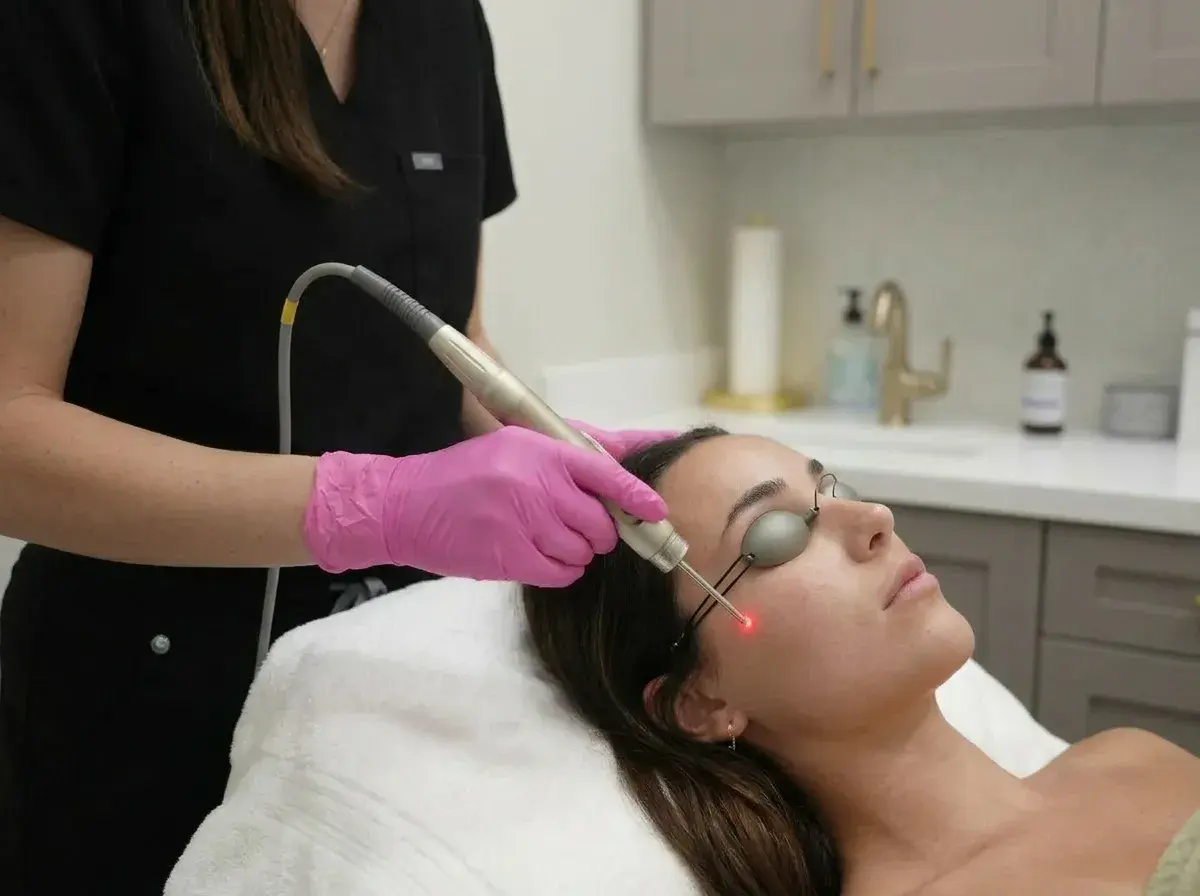
A vascular laser treatment that delivers controlled energy into the skin, where haemoglobin in enlarged vessels absorbs it. The vessels collapse and the body reabsorbs them, reducing visible redness and broken capillaries.
How to Protect Your Skin After Treatment
Laser clears the vessels it treats, but rosacea is chronic and new triggers keep provoking the skin. A calm, consistent routine carries the result over the long run, and the habits below are how you hold it between sessions.

Cleanse Gently

Treat Calmly

Hydrate the Barrier

Avoid Your Triggers

Protect Daily
Recommended Skincare Protocol
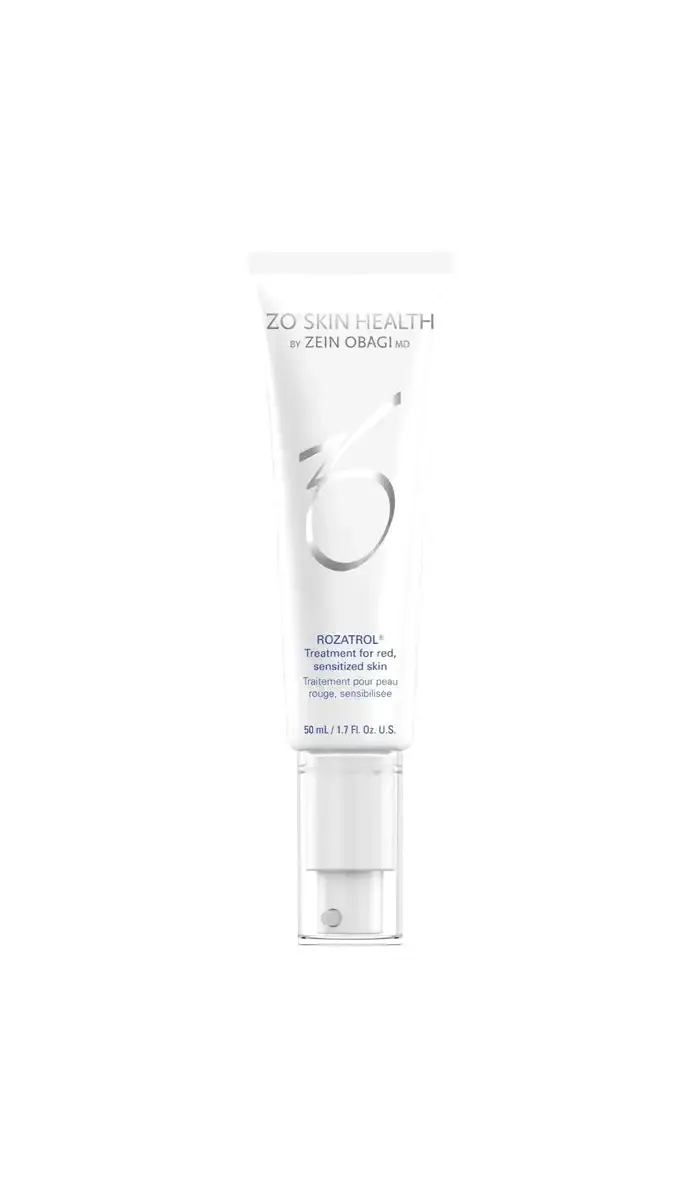
Rozatrol
A daily serum for red, reactive, easily-flushed skin. It calms the look of redness while gently normalising oil and surface texture, supporting the skin between your in-clinic redness treatments.
.webp&w=3840&q=75)


Skin Club Membership
Join the Skin Club
Exclusive Savings on Every Visit.
Beautiful skin is a long-term commitment, and Skin Club membership makes that commitment rewarding. Members receive preferred member pricing, priority booking with their preferred practitioner, and a personalized treatment roadmap so results keep building with every visit.
Discounted treatment packages and member-only pricing
Priority booking and scheduling with your preferred practitioner
Complimentary skin assessments & personalized treatment plans


The right plan starts with the right assessment.
Same-week consultations. No referral required.
FAQ
Common Questions About
Rosacea Treatment
No. Rosacea is a chronic condition that can be managed effectively but not eliminated permanently. Laser treatment significantly reduces visible redness and the frequency of flare-ups, and a calm skincare routine alongside it helps hold the result between sessions.
Most patients need two to four sessions spaced four to six weeks apart. After the initial course, maintenance sessions every six to twelve months help sustain results. Victoria sets the timeline around your subtype and response at the consultation.
Most patients describe a warm snapping sensation. Discomfort is mild and brief, and cooling mechanisms in the device reduce any stinging during treatment. Most people return to normal activity the same day.
Common triggers include sun exposure, heat, alcohol, spicy food, stress, wind, and hot beverages. Triggers vary from person to person, so tracking your own flare-ups helps identify your specific patterns and build a plan that accounts for them.
No. Rosacea bumps may look similar to acne, but they have a different cause and need different treatment. Acne products often irritate rosacea-prone skin. A clinical evaluation at Victoria Rose Aesthetics in Pickering can determine which condition you are dealing with.
We recommend waiting 24 hours before applying makeup to treated skin. Mineral-based makeup is gentler for rosacea-prone skin when you do resume coverage, and a calm barrier routine helps the skin settle in the days after.
It can. Untreated rosacea often progresses over time. Blood vessels become more visible, redness becomes more persistent, and the skin barrier continues to weaken. Early treatment tends to produce better outcomes and easier long-term management.
Gentle, fragrance-free products with minimal active ingredients work well, layered over a strong barrier and daily mineral SPF. Victoria can recommend specific products matched to your skin during your consultation.
Pricing depends on the number of sessions and the extent of treatment needed. We provide a detailed quote at your consultation so you can plan the full course upfront rather than session by session.
Yes, when settings are matched to your skin. Rosacea-prone skin is often reactive, so your practitioner adjusts the laser energy to your skin type and tests cautiously before treating the full area. Gentle aftercare and a calm barrier routine keep the skin comfortable while it recovers.
Rosacea is a common, long-term skin condition that causes facial redness, flushing, visible blood vessels, and sometimes small red bumps across the cheeks, nose, chin, and forehead. It tends to flare and settle in cycles, driven by sensitive blood vessels and inflammation in the skin. It cannot be cured permanently, but the redness and flares respond well to treatment and a steady skincare routine.
Rosacea runs in families and comes from an overactive vascular and immune response in the skin. Blood vessels dilate too easily, inflammation builds, and the skin barrier gradually weakens. Everyday triggers such as sun, heat, alcohol, spicy food, and stress then set off visible flares on top of that underlying tendency. Learning your own triggers is part of keeping the skin calm.
Persistent redness and visible vessels respond to vascular laser and intense pulsed light, which target the dilated capillaries directly so the background flush fades. Most people need a short course of sessions, supported by gentle skincare, daily SPF, and trigger management to hold the result over time.