
Acne & Breakouts
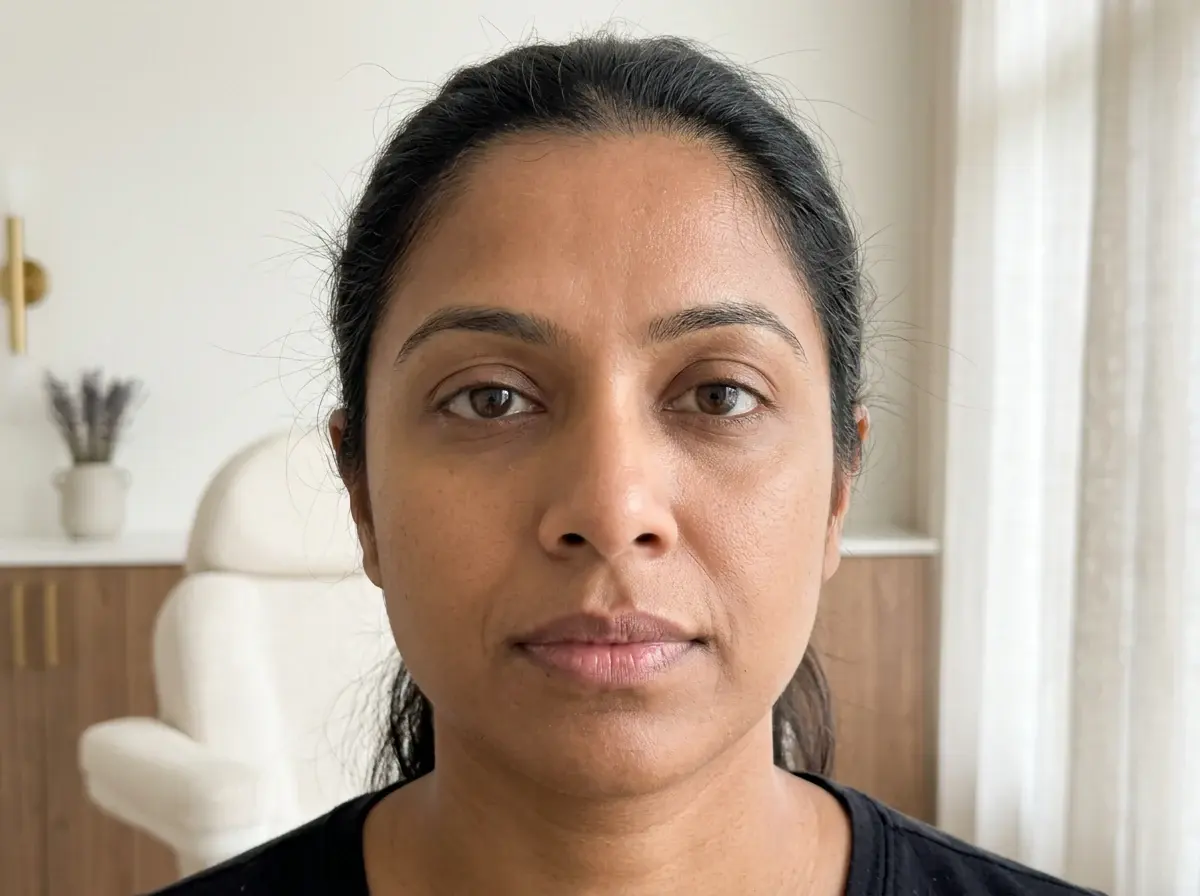
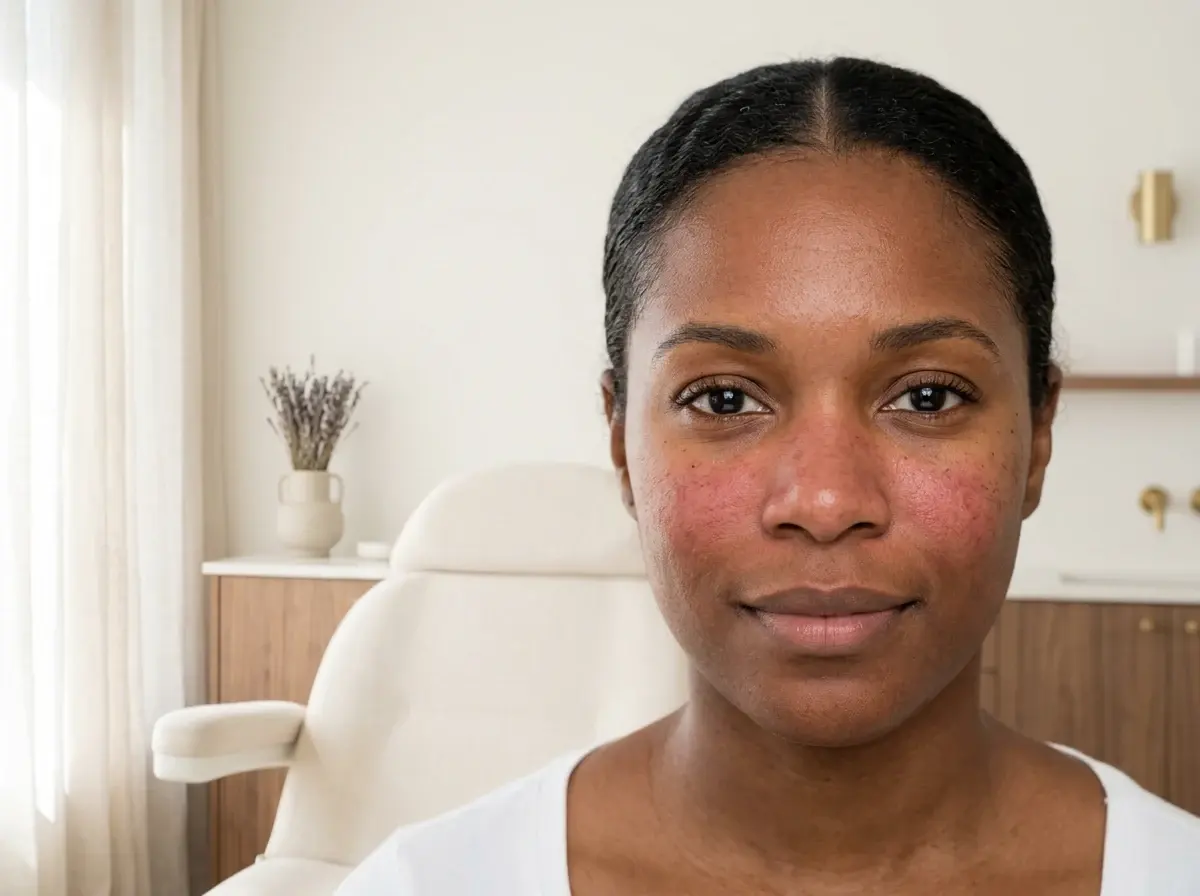
The breakout clears, the mark stays.
It is a new cluster every few weeks. One along the jaw, two on the chin, a patch on the cheek that fades to a brown mark long after the bump goes down. Once breakouts turn inflammatory, they sit below what cleansers and spot treatments can reach on their own.

Acne & Breakouts
The breakout clears, the mark stays.
It is a new cluster every few weeks. One along the jaw, two on the chin, a patch on the cheek that fades to a brown mark long after the bump goes down. Once breakouts turn inflammatory, they sit below what cleansers and spot treatments can reach on their own.
CONCERN & CAUSES
Why Acne Keeps Coming Back
Acne is a chronic skin condition. The pore biology that drives it does not switch off because you treated the lesion on the surface, so the cycle restarts. Most people show a mix of these patterns.
01
Comedonal Acne
Closed whiteheads and open blackheads form small, non-inflamed plugs that cluster on the forehead, nose, and chin. They signal that follicles are not clearing oil and dead cells properly.
02
Inflammatory Acne
Red papules and pus-filled pustules are comedones that have become inflamed, often tender and visible from a distance. This is the most common active-acne pattern Victoria treats in clinic.
03
Hormonal Acne
Cyclical breakouts settle along the jawline and lower face, timed with the menstrual cycle or starting in adulthood. Aesthetic care calms skin between flares and often pairs with medical management.
04
Post-Acne Marks
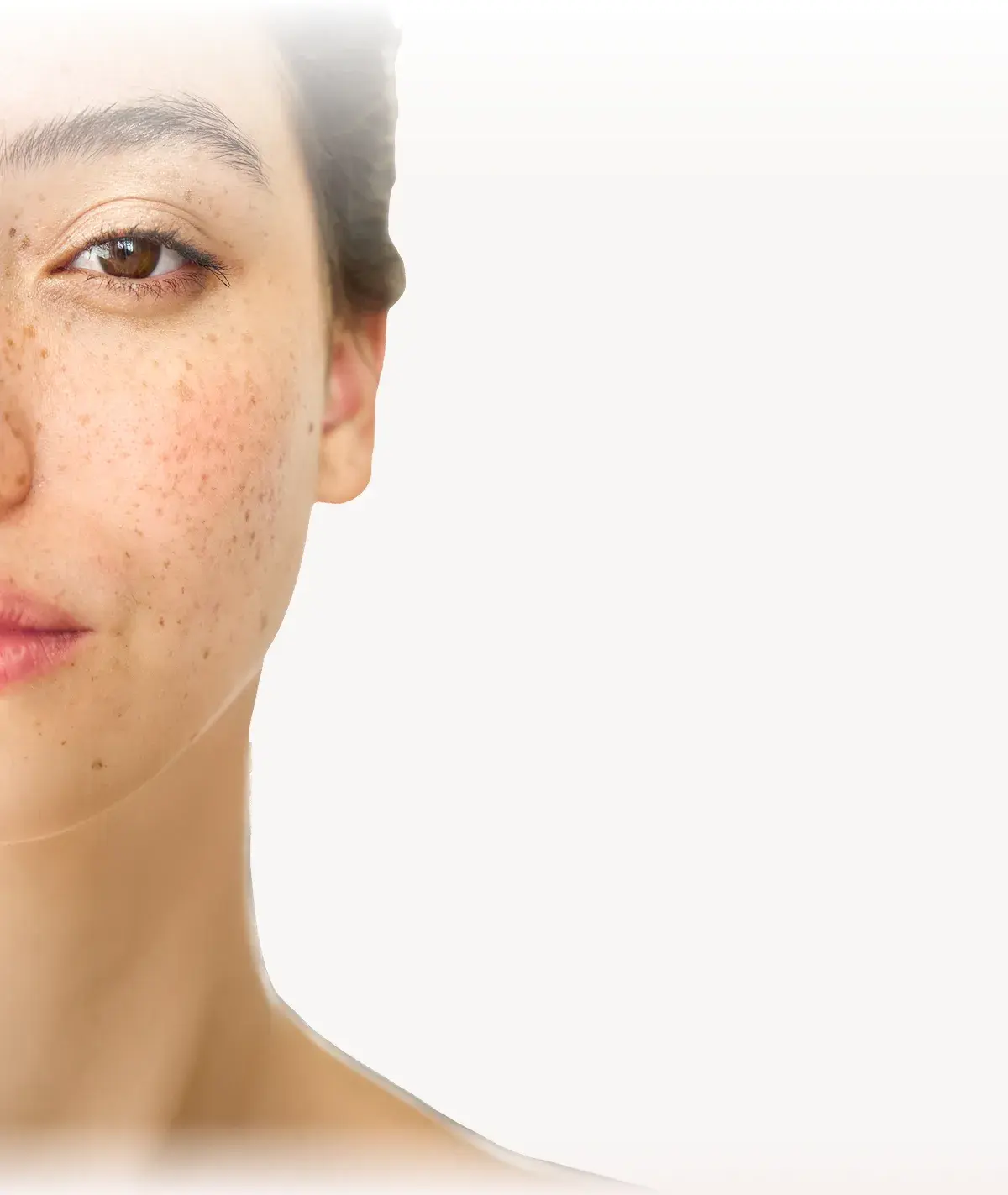
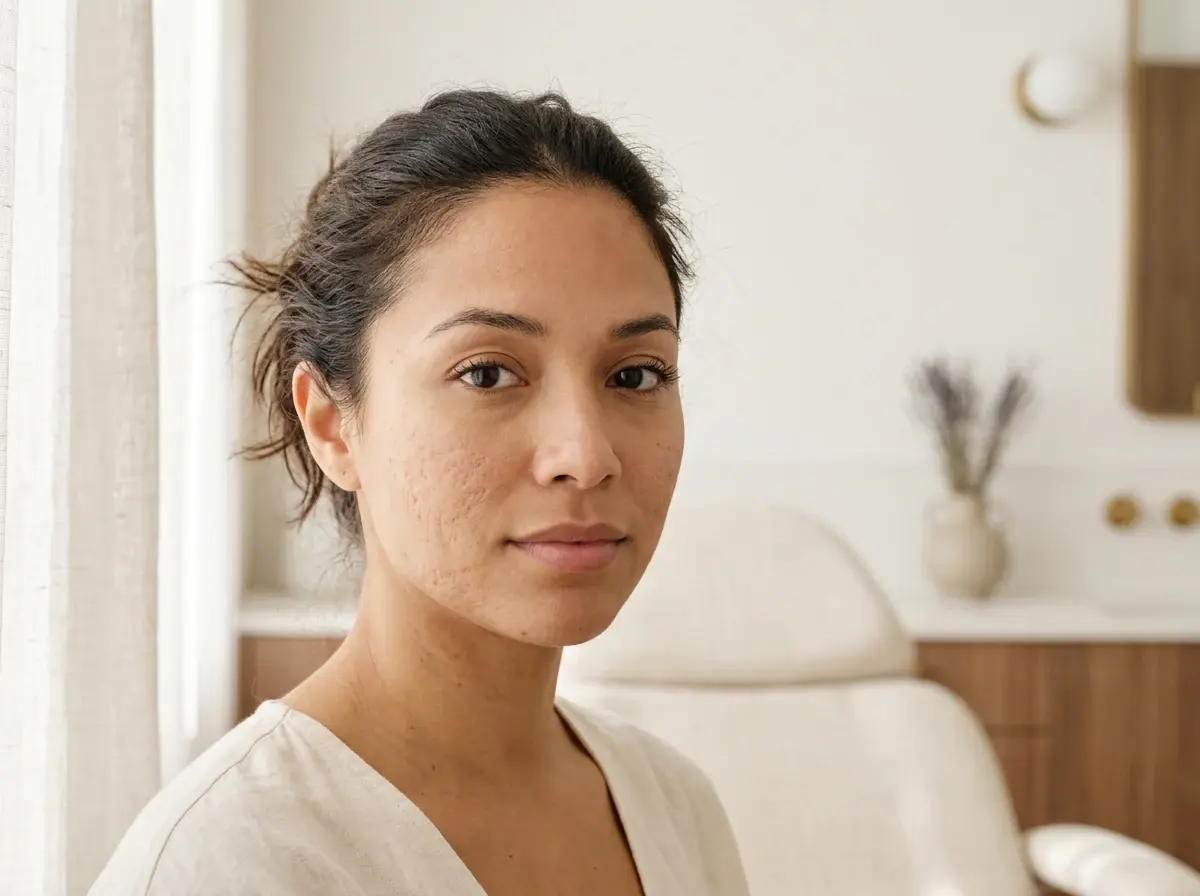
Even after a lesion heals, the aftermath lingers. Post-inflammatory pigment, residual redness, and mild scarring keep skin reading broken out, a separate problem that needs its own targeted treatment.
Treatment Benefits
Protocols That Calm and Control Acne in Pickering
Acne responds to sequence, not a single tool. Victoria, an RN with over a decade of clinical experience, brings inflammation down first, controls active lesions with peels, then treats the marks left behind once skin is stable.
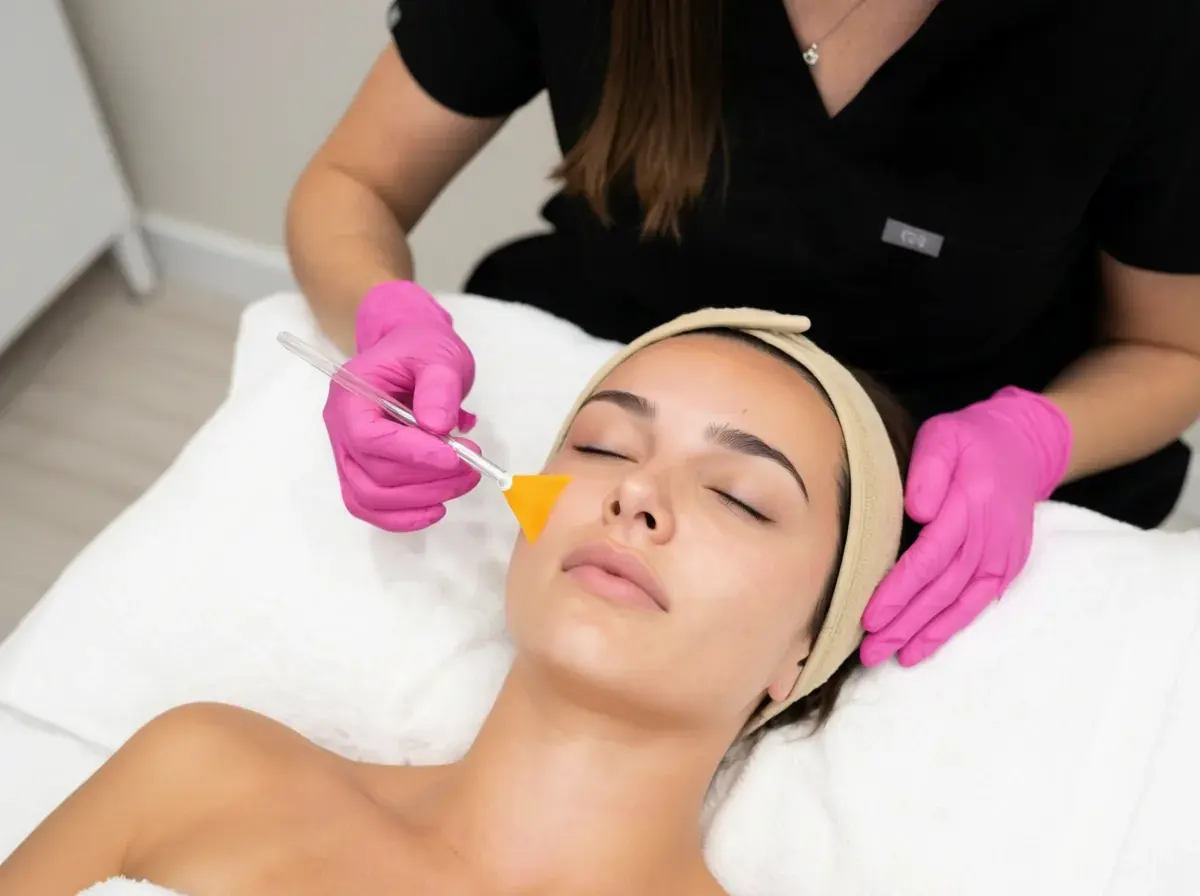
Chemical Peels
A clinical-grade peel using salicylic or lactic acid. Salicylic is oil-soluble and works inside the follicle, while lactic resurfaces the surface and fades post-acne marks.
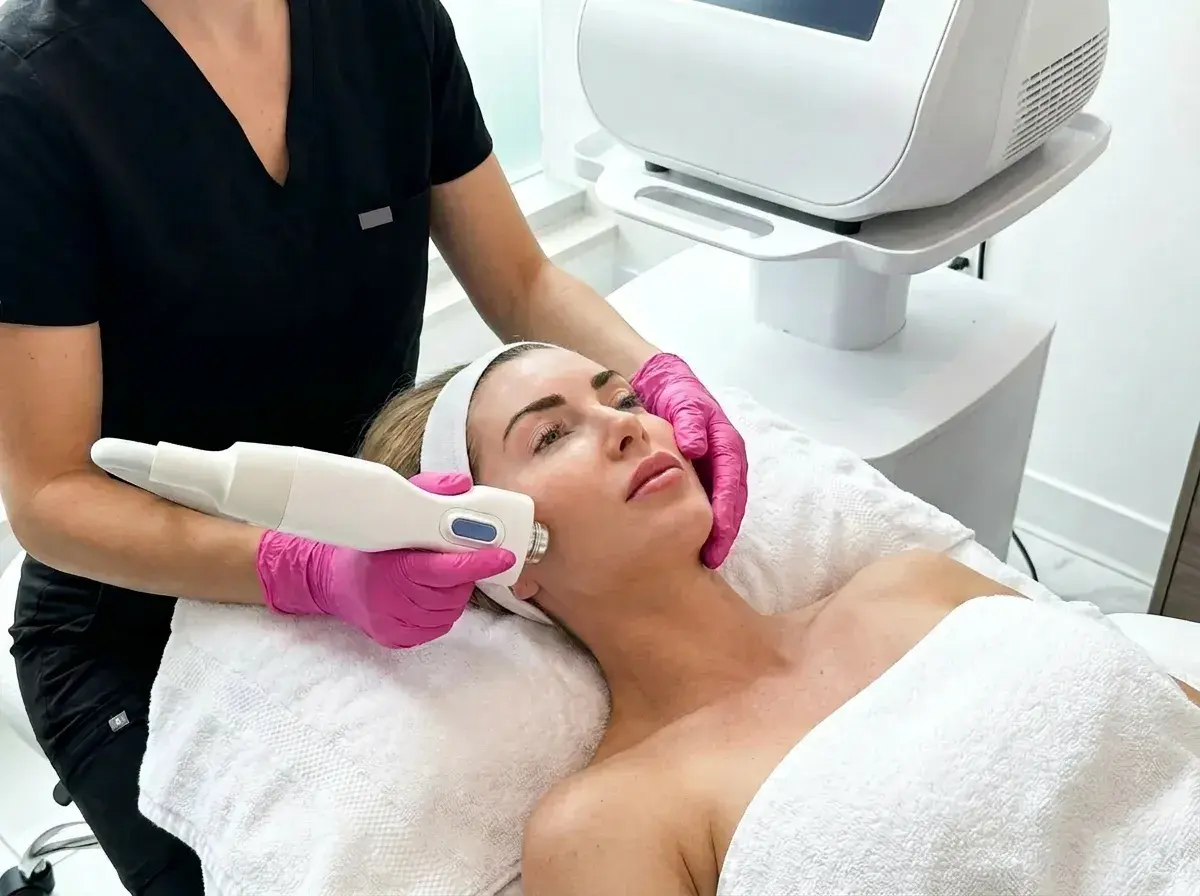
Glacial Skin Facial
A facial that uses controlled cooling to reduce redness, calm reactive skin, and bring down the swelling around active lesions without aggressive resurfacing.
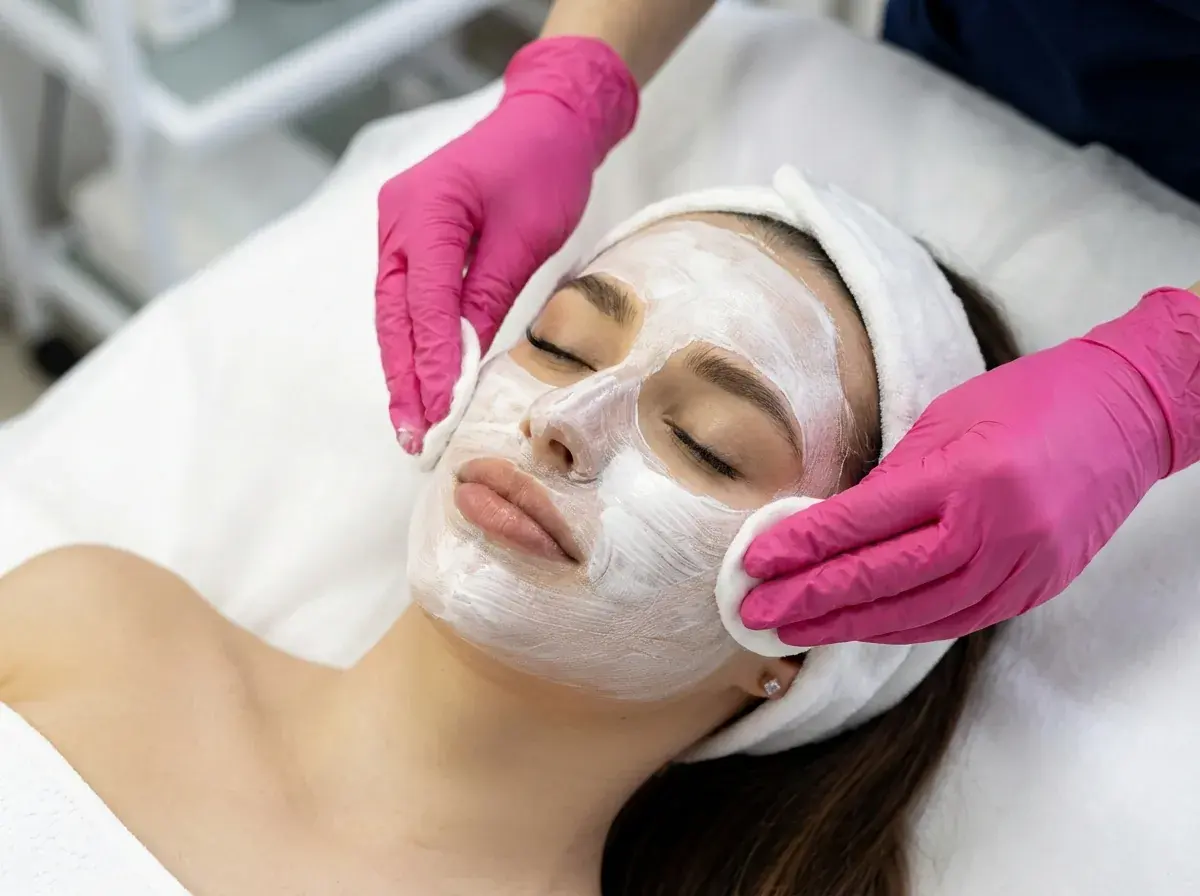
Signature Glow Facial
A gentle facial that cleanses, lightly exfoliates, and rebalances the skin without provoking the barrier, suited to acne-prone skin that needs a softer protocol.
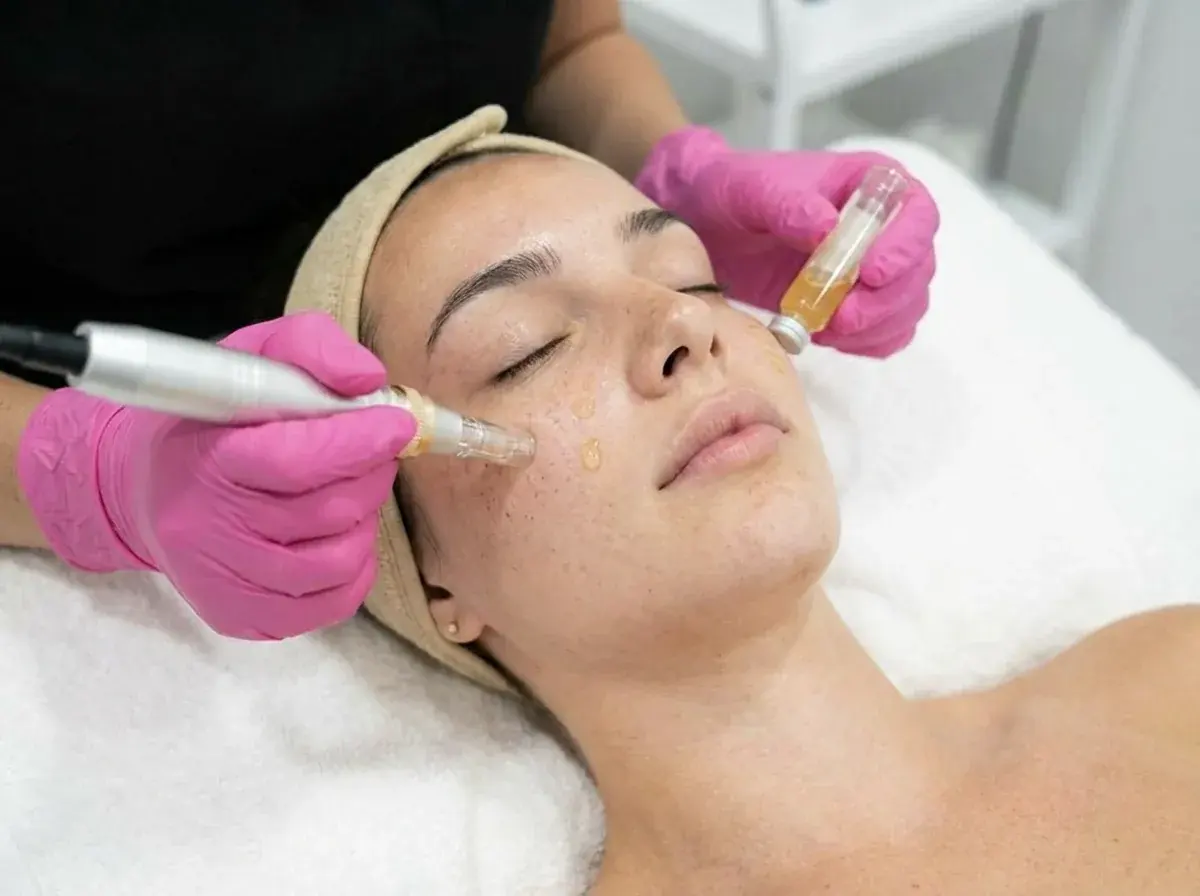
Microneedling with PRP
A microneedling treatment paired with platelet-rich plasma drawn from your own blood, creating controlled micro-channels that prompt collagen renewal and accelerate healing.
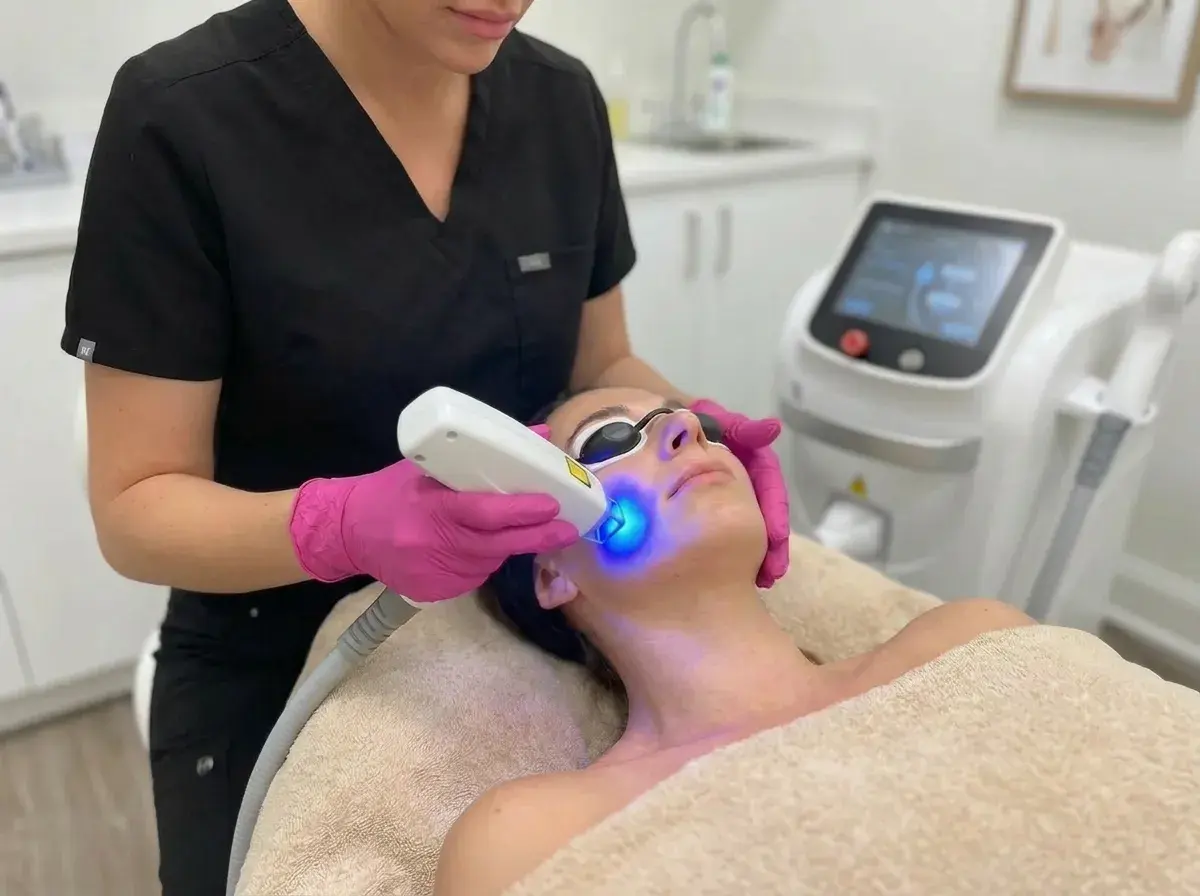
Hyperpigmentation Treatment
A laser treatment that targets the excess melanin of post-inflammatory hyperpigmentation directly, fragmenting it so the body clears the marks acne leaves behind.
How to Care for Acne-Prone Skin at Home
In-clinic treatment alone will not hold results if the daily routine is wrong for your skin. Most patients are doing one or two things working against them. The habits below support the work done in clinic between visits.

Cleanse Without Stripping

Treat With the Right Actives

Hydrate Oil-Free

Mask to Decongest

Protect Daily
Recommended Skincare Protocol
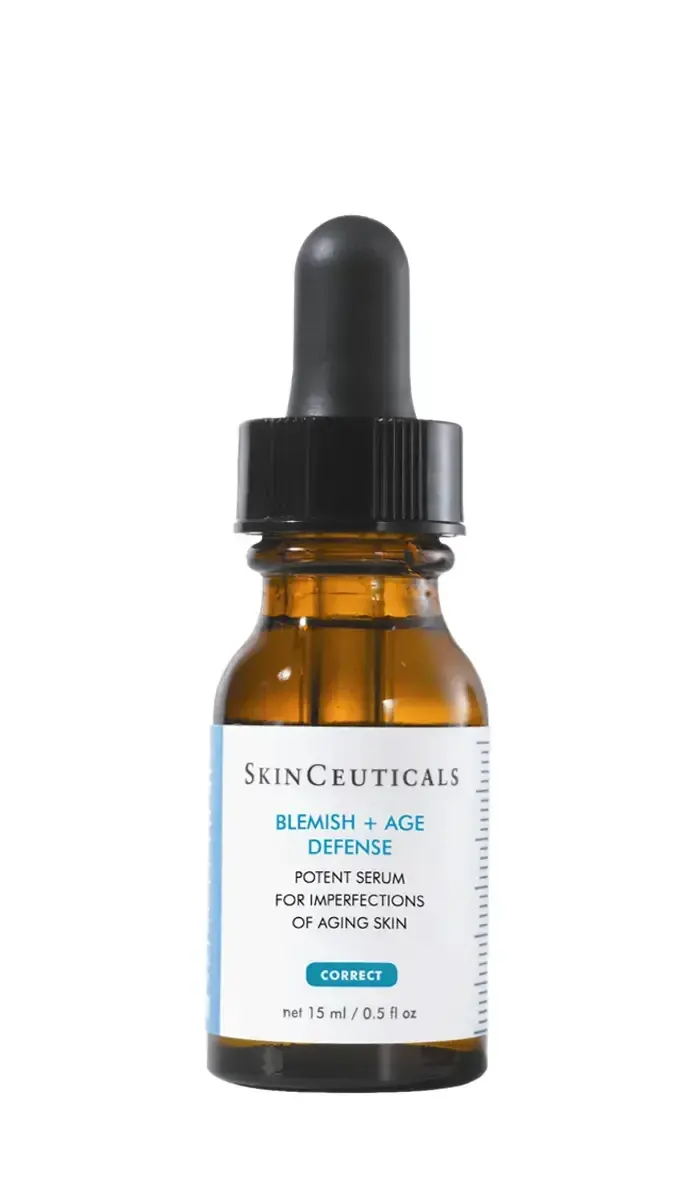
SkinCeuticals Blemish + Age Defense
An oil-free corrective serum that helps reduce the formation of adult acne while refining the look of pores and uneven texture, supporting clearer skin between in-clinic treatments.


.webp&w=3840&q=75)


Skin Club Membership
Join the Skin Club
Exclusive Savings on Every Visit.
Beautiful skin is a long-term commitment, and Skin Club membership makes that commitment rewarding. Members receive preferred member pricing, priority booking with their preferred practitioner, and a personalized treatment roadmap so results keep building with every visit.
Discounted treatment packages and member-only pricing
Priority booking and scheduling with your preferred practitioner
Complimentary skin assessments & personalized treatment plans


The right plan starts with the right assessment.
Same-week consultations. No referral required.
FAQ
Common Questions About
Acne Treatment
Yes. Salicylic-acid peels are designed for active comedonal and inflammatory acne. They penetrate the follicle, dissolve the plug that starts breakouts, and reduce active lesion count over a series. Most patients see meaningful improvement after three to four peels spaced two to four weeks apart, alongside the home-care protocol your practitioner recommends at your visit.
Most patients notice calmer skin and fewer new breakouts within two to three sessions. Significant improvement in lesion frequency and post-acne marks typically takes a full series of four to six treatments. Acne is a chronic condition, so maintenance treatments are often part of staying clear long-term.
Light peels and the Glacial Skin Facial have minimal downtime, with some flaking or temporary redness for a day or two. Stronger peels can produce visible peeling for three to five days. Your practitioner selects intensity based on your skin's tolerance and your schedule.
Most patients are doing one or two things that work against them, over-exfoliating, layering active ingredients that conflict, or using products too rich for acne-prone skin. Your practitioner reviews your routine at consultation and adjusts it. In-clinic treatments without the right home care will not hold the results.
We can calm and control the surface presentation of hormonal acne with peels and anti-inflammatory facials, and we can treat the post-inflammatory marks it leaves. But cyclical, deep, jawline hormonal acne often responds well to medical management such as oral contraceptives or spironolactone prescribed by a physician. Your practitioner will tell you honestly whether aesthetic treatment is appropriate for your case.
Cystic acne sits outside the scope of aesthetic treatment. It requires prescription protocols, oral antibiotics, hormonal therapy, or isotretinoin, that only a dermatologist can prescribe. Your practitioner will refer you out and is happy to support you with calming treatments alongside that medical care if appropriate.
Post-inflammatory hyperpigmentation does fade on its own, but slowly, often six to twelve months. Clinical peels, laser hyperpigmentation treatment, and pigment-targeted home care speed that fade considerably. They work well once new breakouts are under control.
Pricing depends on which treatments are sequenced into your plan and how many sessions you need. We provide a detailed plan and cost outline at your consultation so you can budget for the full series rather than guessing one treatment at a time.
Once active acne has been controlled for several weeks. Microneedling on actively breaking-out skin risks spreading bacteria and triggering new inflammation. Your practitioner sequences microneedling and PRP in once your skin is stable, to treat the texture and marks acne left behind.
Some patients notice a short purge after their first peel or two as the deeper plugs surface faster than usual. It usually settles within a week or two as the follicles clear. Victoria sets the strength to match your skin's tolerance and tells you what to expect so you can plan around it.