
Excessive Sweating
The shirt you change before lunch.
Hyperhidrosis is a medical condition where the sweat glands signal far more than the body needs. It is not anxiety, and it is not poor hygiene. It is a misfire at the gland itself, and it responds to treatment that quiets the signal at the source.
Excessive Sweating
The shirt you change before lunch.
Hyperhidrosis is a medical condition where the sweat glands signal far more than the body needs. It is not anxiety, and it is not poor hygiene. It is a misfire at the gland itself, and it responds to treatment that quiets the signal at the source.
CONCERN & CAUSES
Why Hyperhidrosis Happens
Most patients arrive calling it one thing. In the treatment room, excessive sweating usually splits into a few distinct patterns, and each one shapes how the plan is built.
01
Primary Focal Hyperhidrosis
Localized excessive sweating in specific zones like the underarms, palms, soles, or scalp. It usually begins in adolescence with no underlying cause, and runs in families for many patients.
02
Secondary Generalized Sweating
Whole-body sweating driven by another factor such as thyroid changes, medication, infection, or menopause. It tends to start later in life and needs a medical workup before any treatment begins.
03
Trigger-Driven Episodes
Heat, exertion, or emotional stress can set the glands off well beyond what the moment calls for. A handshake, an interview, or a warm room triggers sweating before the situation even starts.
04
Overactive Gland Signalling
The sympathetic nerves signal the sweat glands far more than the body needs, sometimes constantly, sometimes from minor cues. The misfire sits at the gland itself, not in nerves or hygiene.
Treatment Benefits
Quieting the Signal for Hyperhidrosis in Pickering
The signal, not the gland, is the problem. Victoria, an RN with over a decade of clinical experience, maps your active sweat zones and calculates the dose for each region, so treatment pauses the misfire where it actually lives.
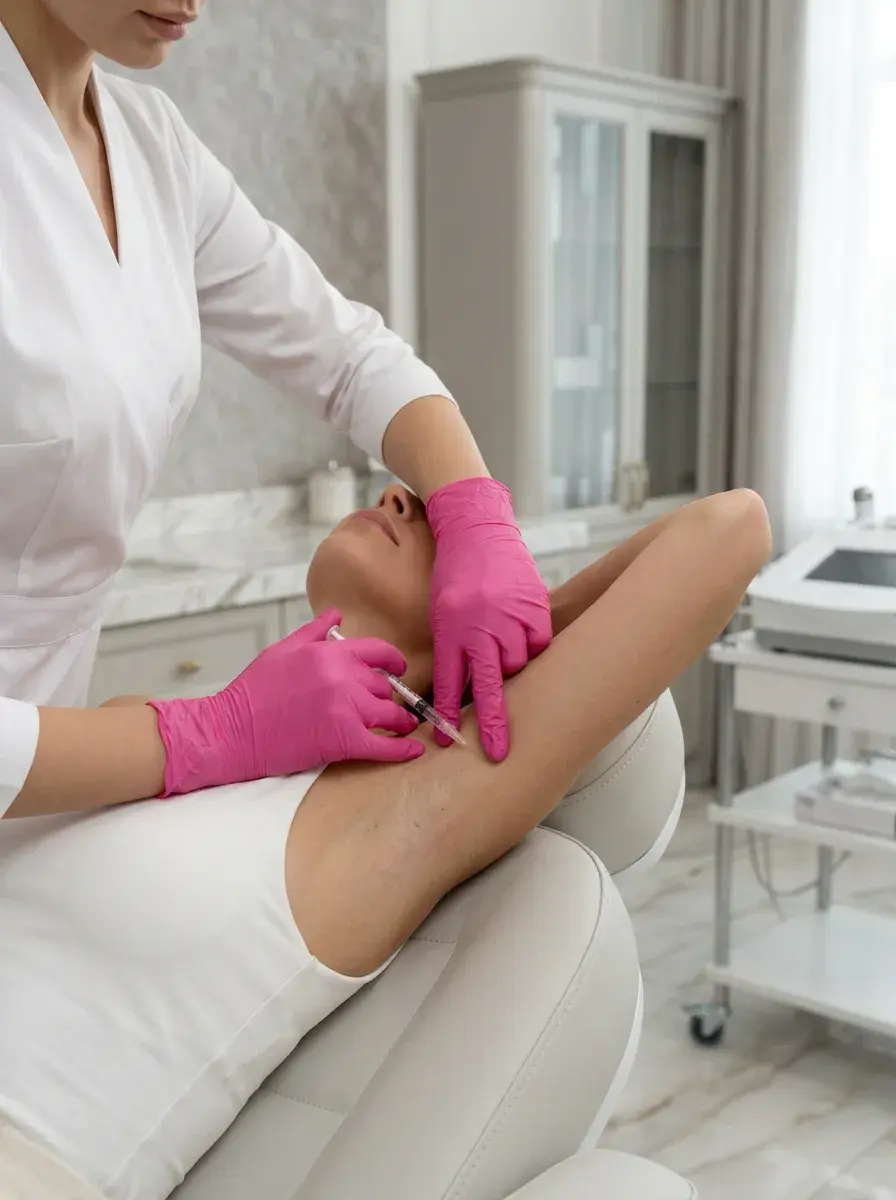
Botox for Hyperhidrosis
A medical use of botulinum toxin for excessive sweating. Small injections in a grid pattern pause the chemical signal that tells the sweat glands to activate in the treated zone.
How to Care for Skin After Treatment
Treatment quiets the glands for months, and the right aftercare helps the medication settle and keeps treated skin calm. The habits below support recovery and protect the result between visits.

Cleanse Gently

Skip Heat and Exertion

Hydrate the Skin

Hold Off on Antiperspirant

Rebook on Rhythm
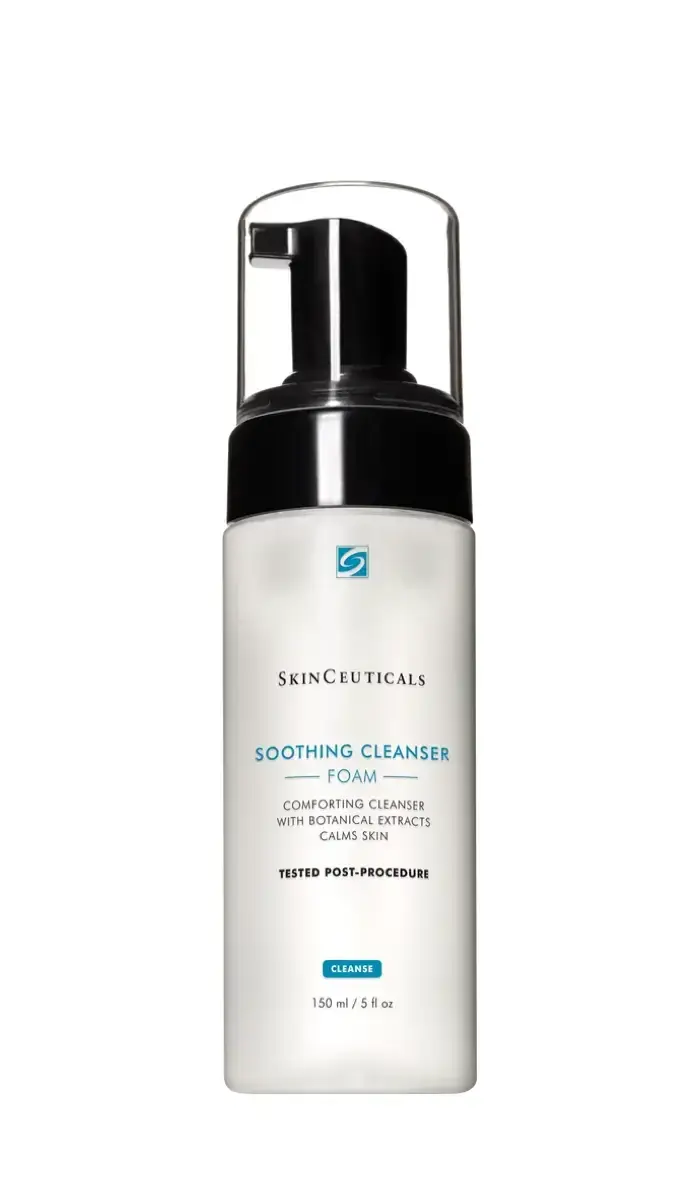
Recommended Skincare Protocol
SkinCeuticals Soothing Cleanser
A calming, soap-free cleansing foam with botanical extracts that dissolves impurities while soothing compromised skin, gentle enough for treated underarms and sensitive areas.


.webp&w=3840&q=75)

Skin Club Membership
Join the Skin Club
Exclusive Savings on Every Visit.
Beautiful skin is a long-term commitment, and Skin Club membership makes that commitment rewarding. Members receive preferred member pricing, priority booking with their preferred practitioner, and a personalized treatment roadmap so results keep building with every visit.
Discounted treatment packages and member-only pricing
Priority booking and scheduling with your preferred practitioner
Complimentary skin assessments & personalized treatment plans


The right plan starts with the right assessment.
Same-week consultations. No referral required.
FAQ
Common Questions About
Hyperhidrosis Treatment
Yes. Botulinum toxin has been used for hyperhidrosis for over two decades and is a recognized medical application supported by clinical evidence. Side effects are typically mild and limited to the treatment area. Your practitioner reviews your full medical history before treatment to confirm you are a candidate.
Most patients see results lasting 6 to 9 months in the underarms. Palms and soles often last 4 to 6 months. Some patients notice longer durations after several rounds of treatment as their nerve activity becomes less reactive over time.
No. The treatment temporarily blocks the signal between the nerve and the sweat gland. When the medication metabolizes, signalling resumes and sweating returns. Repeat sessions are needed to maintain results, so it is a management treatment rather than a cure.
Pricing depends on the area treated and the dose required, which varies by patient. Underarms are the most common and most cost-predictable area. We provide a complete cost outline at your consultation so you can plan ahead.
Compensatory sweating in other areas is rare with localized Botox treatment, unlike with surgical approaches. Most patients notice no shift in sweating patterns elsewhere on the body after the treated zones are quieted.
We recommend avoiding strenuous exercise, hot showers, and saunas for 24 hours after treatment to allow the medication to settle into the targeted tissue. Normal daily activity is fine right away.
Most patients notice reduced sweating within 2 to 7 days. Full results are typically present at about two weeks. If sweating persists in a small zone after two weeks, a touch-up may be offered.
The needles are very small. Underarms are generally tolerated without numbing. Palms and soles are more sensitive and are treated with topical numbing or ice. Most patients describe it as a series of brief pinches rather than a sustained pain.
Often yes, particularly with a physician referral. We provide a detailed receipt with the medication name, dose, treatment areas, and clinical indication for you to submit to your insurer. Coverage rules vary by plan, so confirm with your provider before treatment.
Most adults with primary focal hyperhidrosis are good candidates. If your sweating is generalized across your whole body or developed later in life, we may recommend a medical workup first to rule out a secondary cause before treating.
Underarms are the most common request and have the strongest clinical evidence, usually with no numbing needed. Palms and soles can also be treated with topical numbing or ice, and the forehead and scalp are options for craniofacial sweating that drips during heat or exertion. Your practitioner maps your active sweat zones at the consultation and calculates the dose needed for each region.