Laser & Energy
Laser & Energy Treatments
Fotona dual-wavelength laser, RF microneedling, and skin-tightening for resurfacing, pigmentation, and hair removal.
Laser & Energy
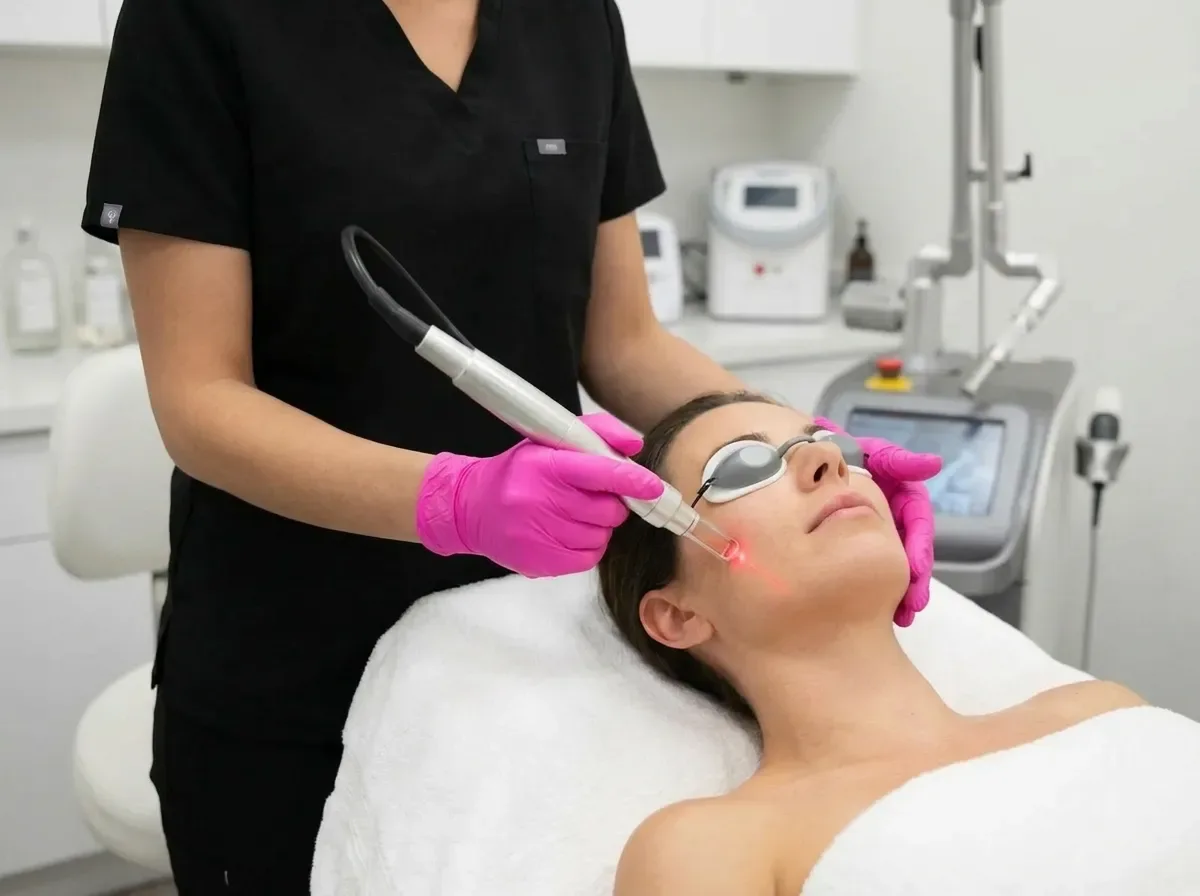
Acne Scar Reduction
Acne scar reduction combines RF microneedling and laser to stimulate collagen remodeling beneath scar…
View Treatment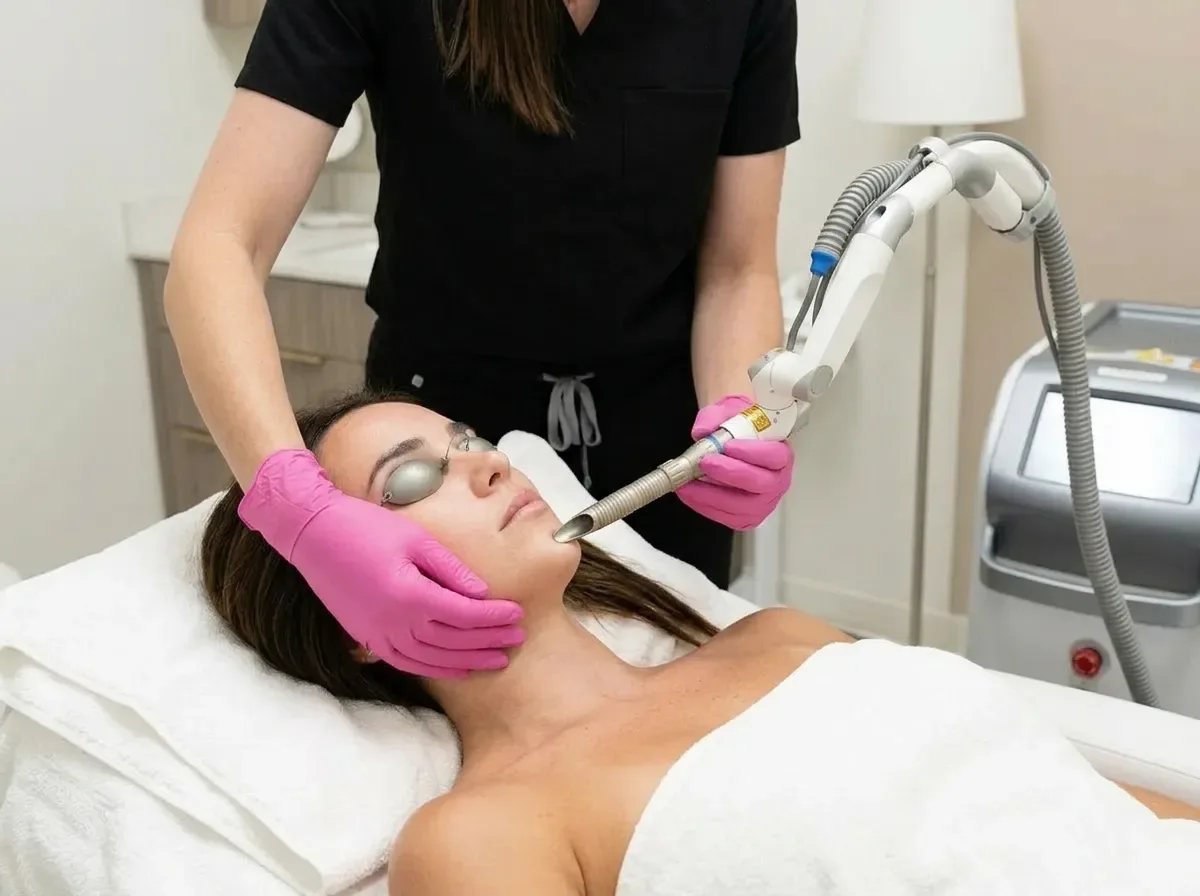
Laser & Energy
Fotona 4D Facelift
The Fotona 4D facelift uses four laser modes to tighten and lift facial skin from the inside out, with zero downtime…
View TreatmentLaser & Energy
Fotona Laser
Fotona is a dual-wavelength laser platform, Er:YAG for the surface and Nd:YAG for the deep tissue, that powers a…
View Treatment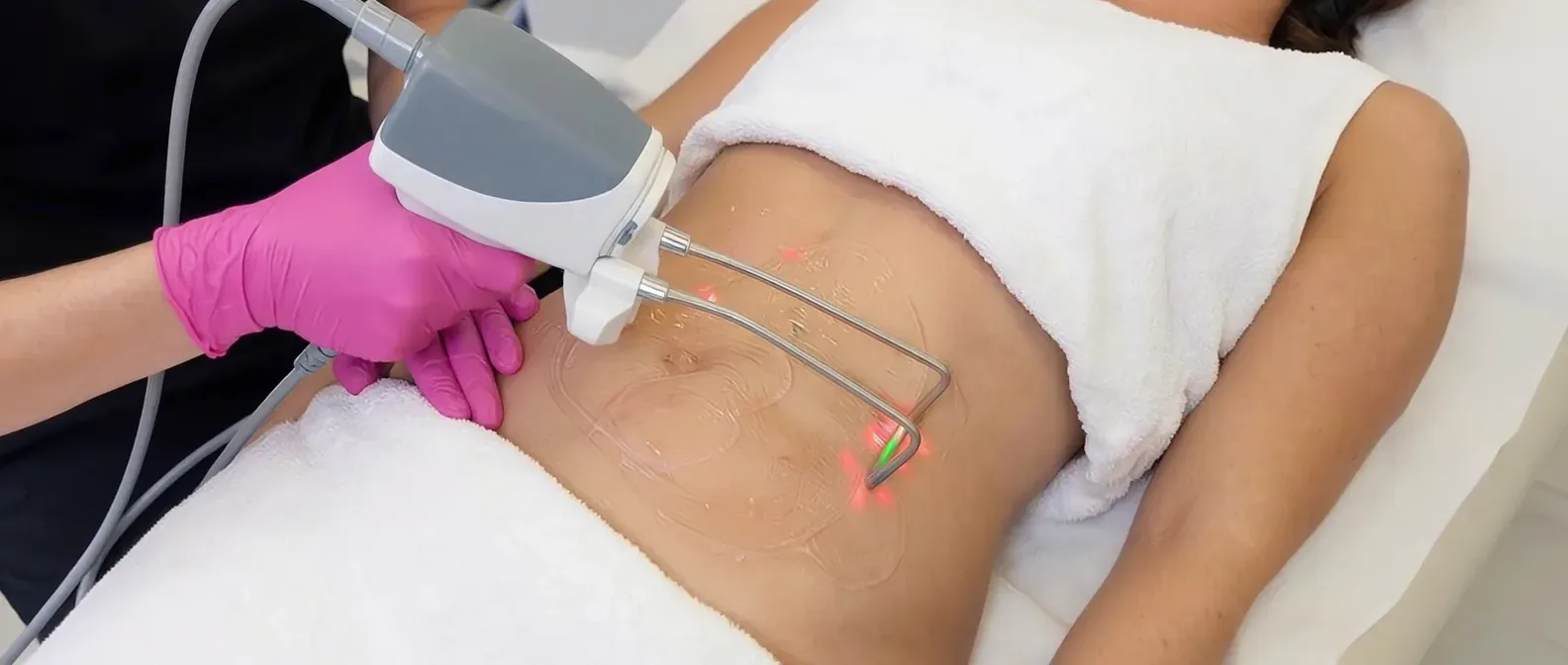
Laser & Energy
Fotona TightSculpting
Fotona TightSculpting is a dual-mode laser that heats subcutaneous fat while firming the overlying skin, sculpting…
View Treatment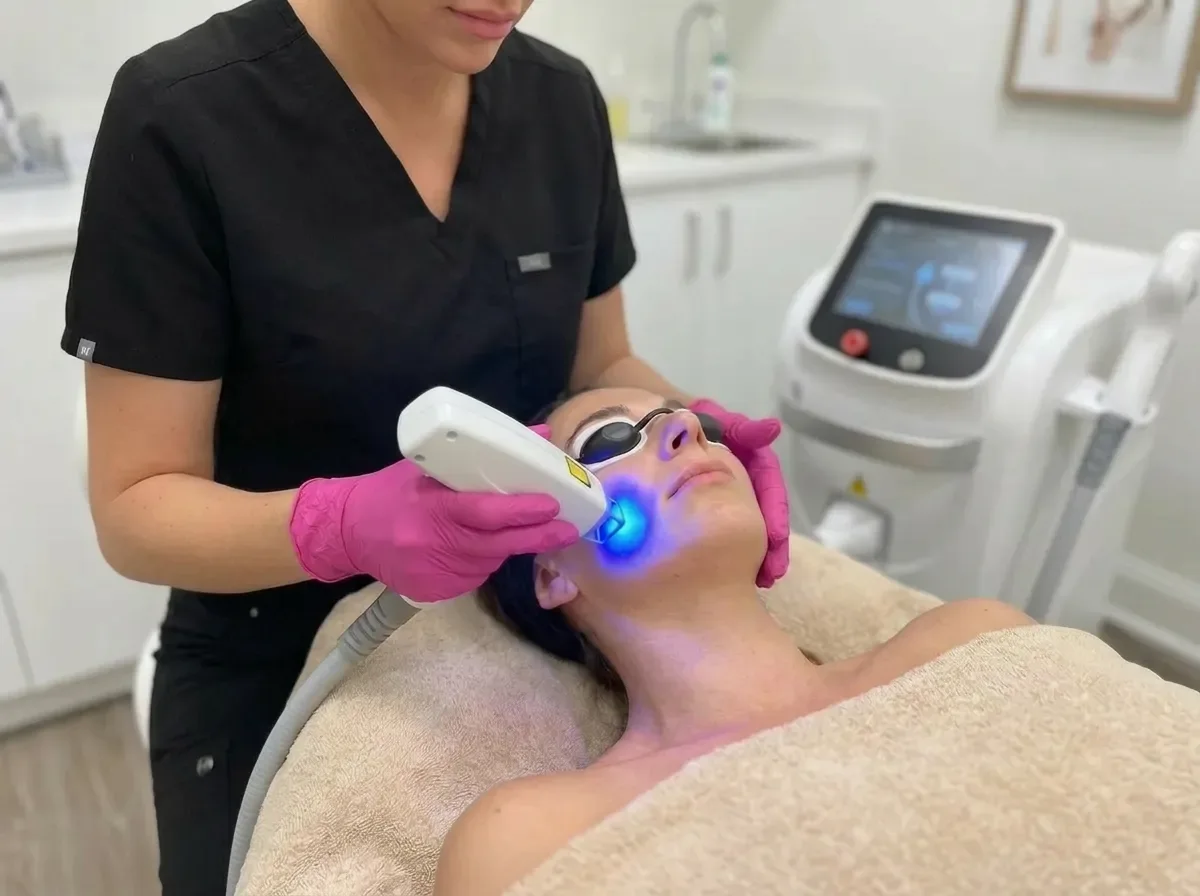
Laser & Energy
Hyperpigmentation Treatment
Hyperpigmentation Treatment in Pickering.
View Treatment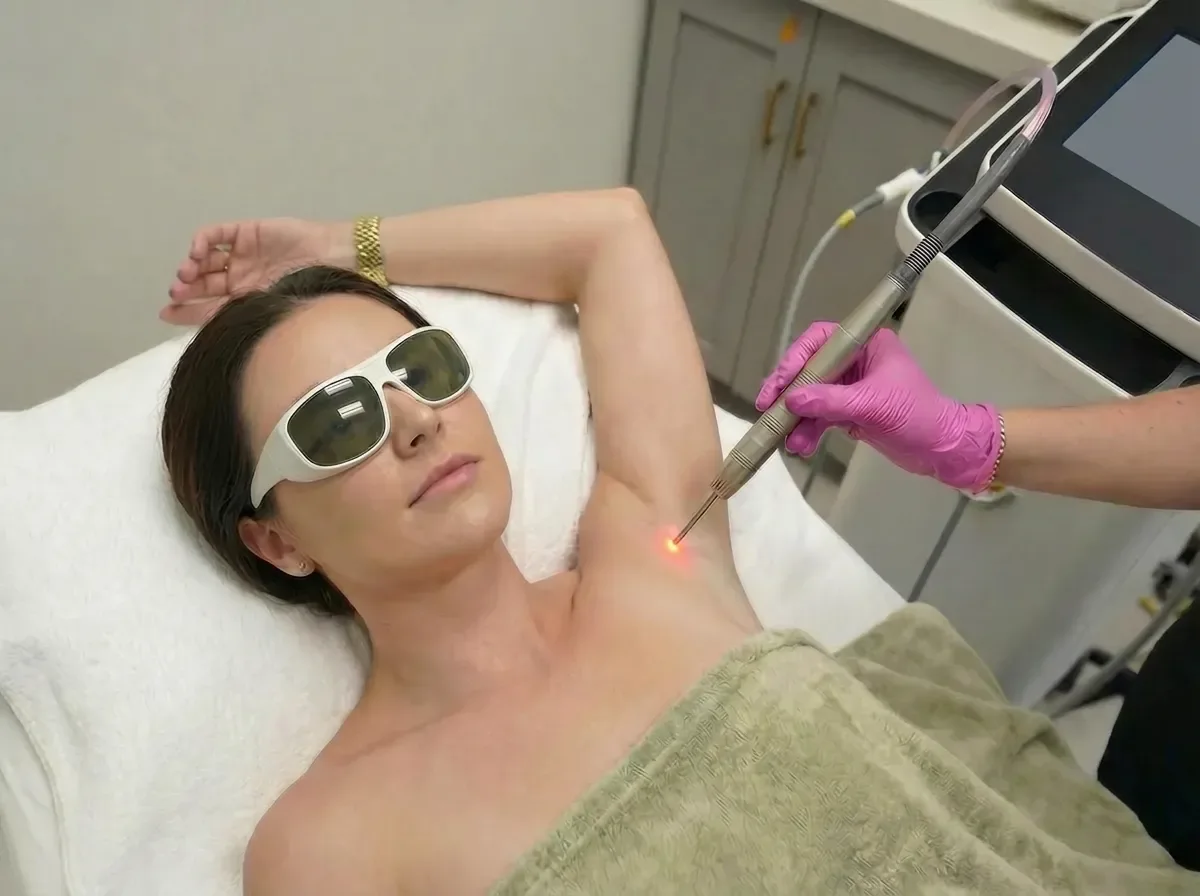
Laser & Energy
Laser Hair Removal
Laser hair removal uses the Fotona Nd:YAG laser to deliver targeted energy to hair follicles, achieving 80 to 90%…
View Treatment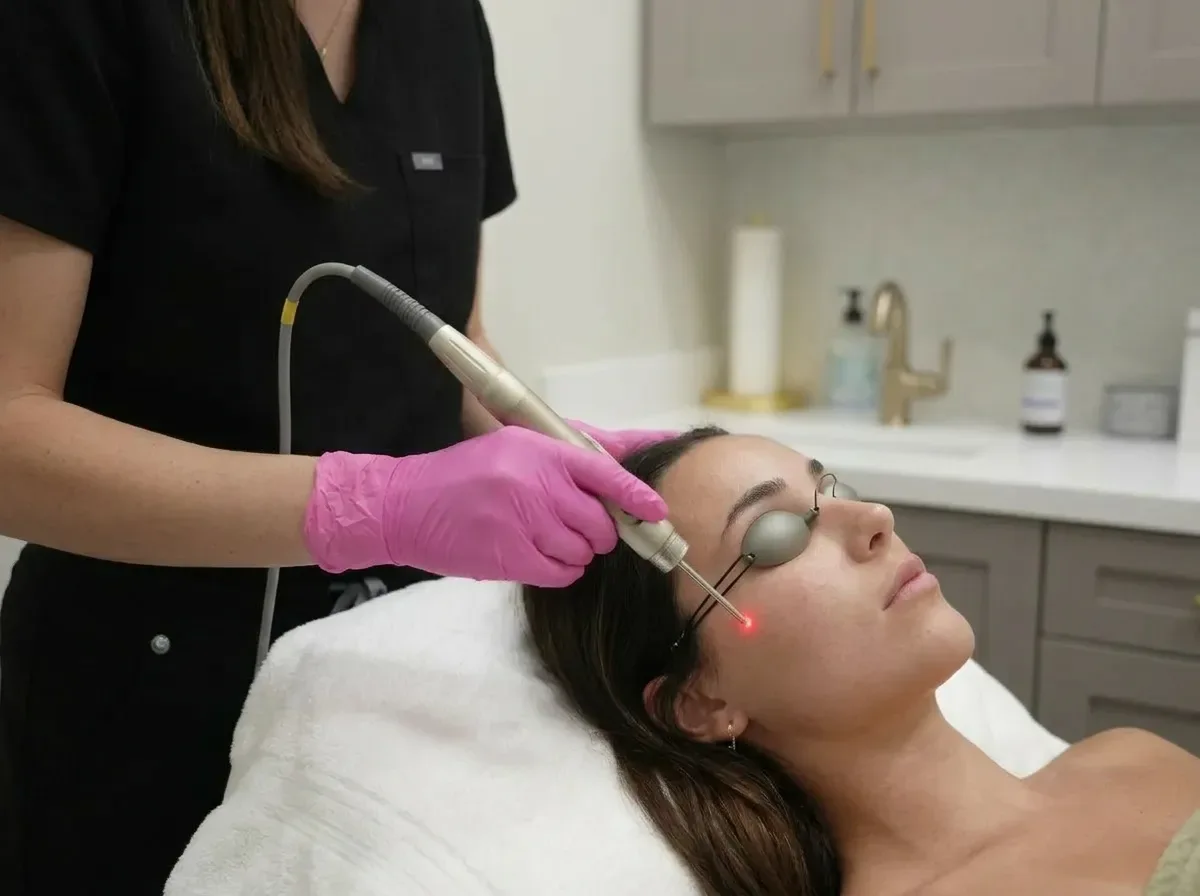
Laser & Energy
Laser Rosacea Treatment
A vascular laser treatment that reduces facial redness, visible blood vessels, and flushing reactivity through a…
View Treatment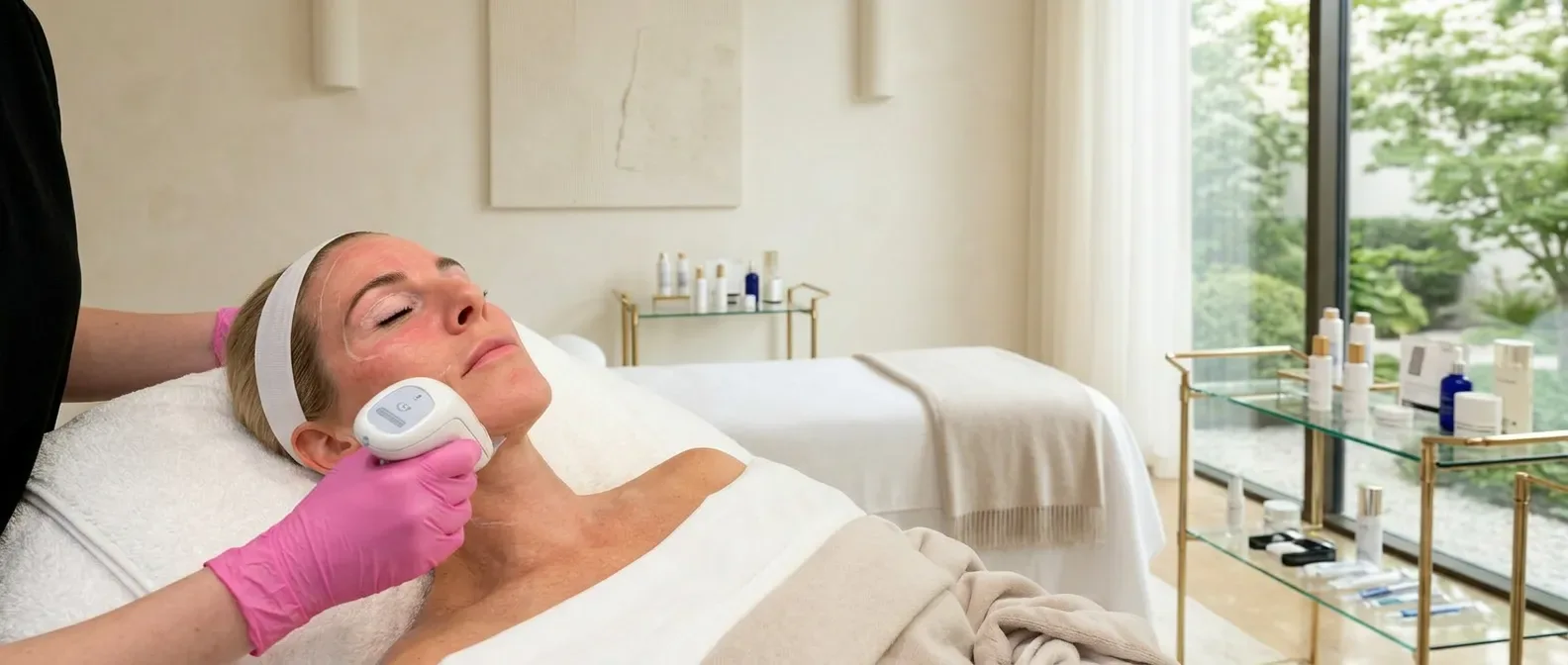
Laser & Energy
Melasma Treatment
Melasma treatment in Pickering.
View Treatment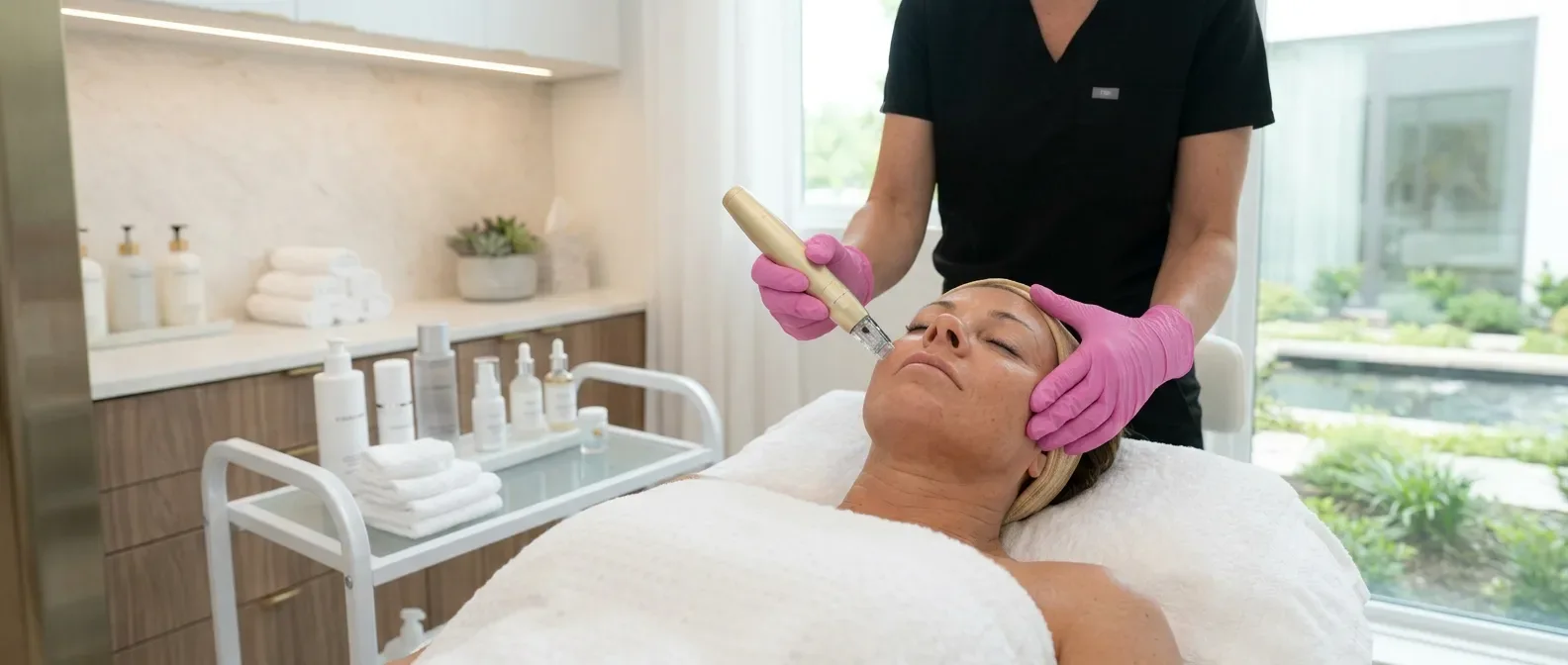
Laser & Energy
Sylfirm X RF Microneedling
RF microneedling uses heat from radiofrequency energy delivered through micro-needles to stimulate deep collagen…
View Treatment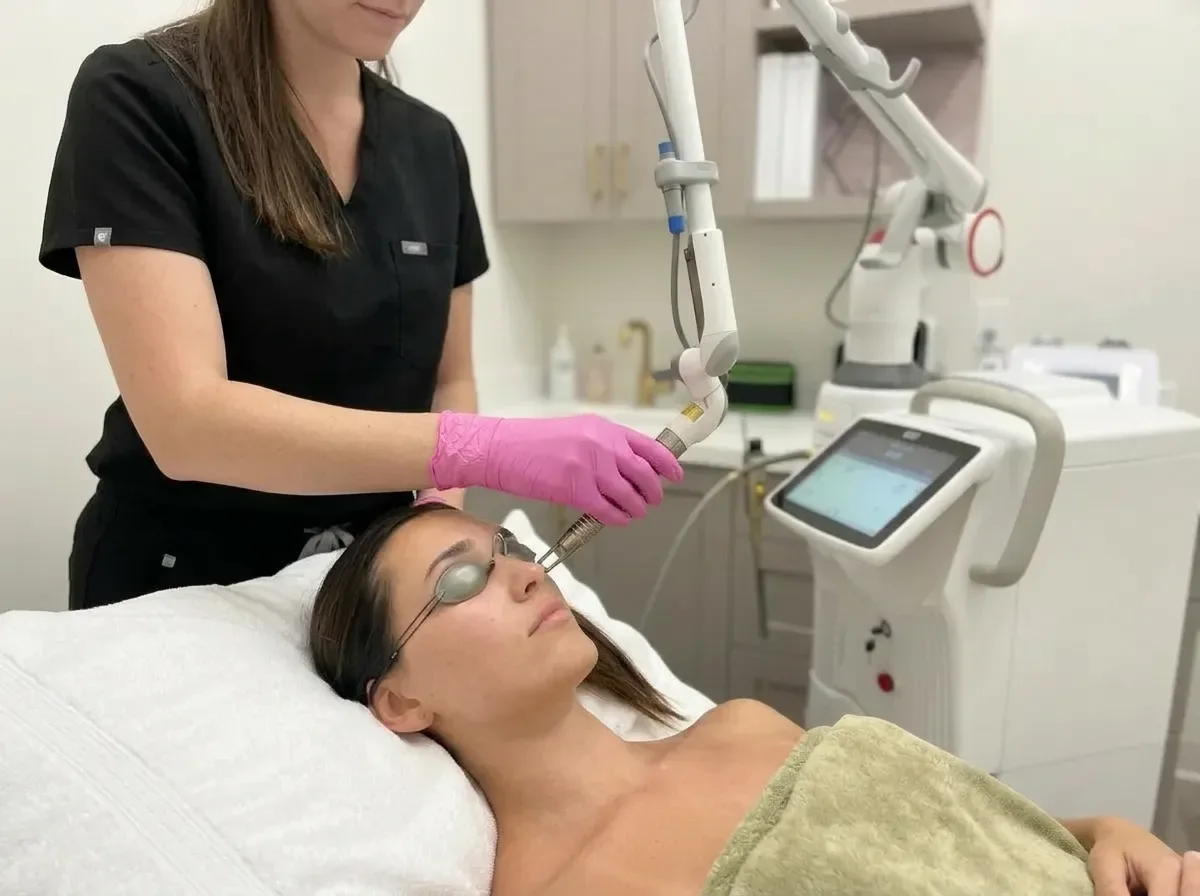
Laser & Energy
Skin Tightening
Non-surgical skin tightening uses laser and RF energy to stimulate collagen deep in the dermis and SMAS layer, …
View Treatment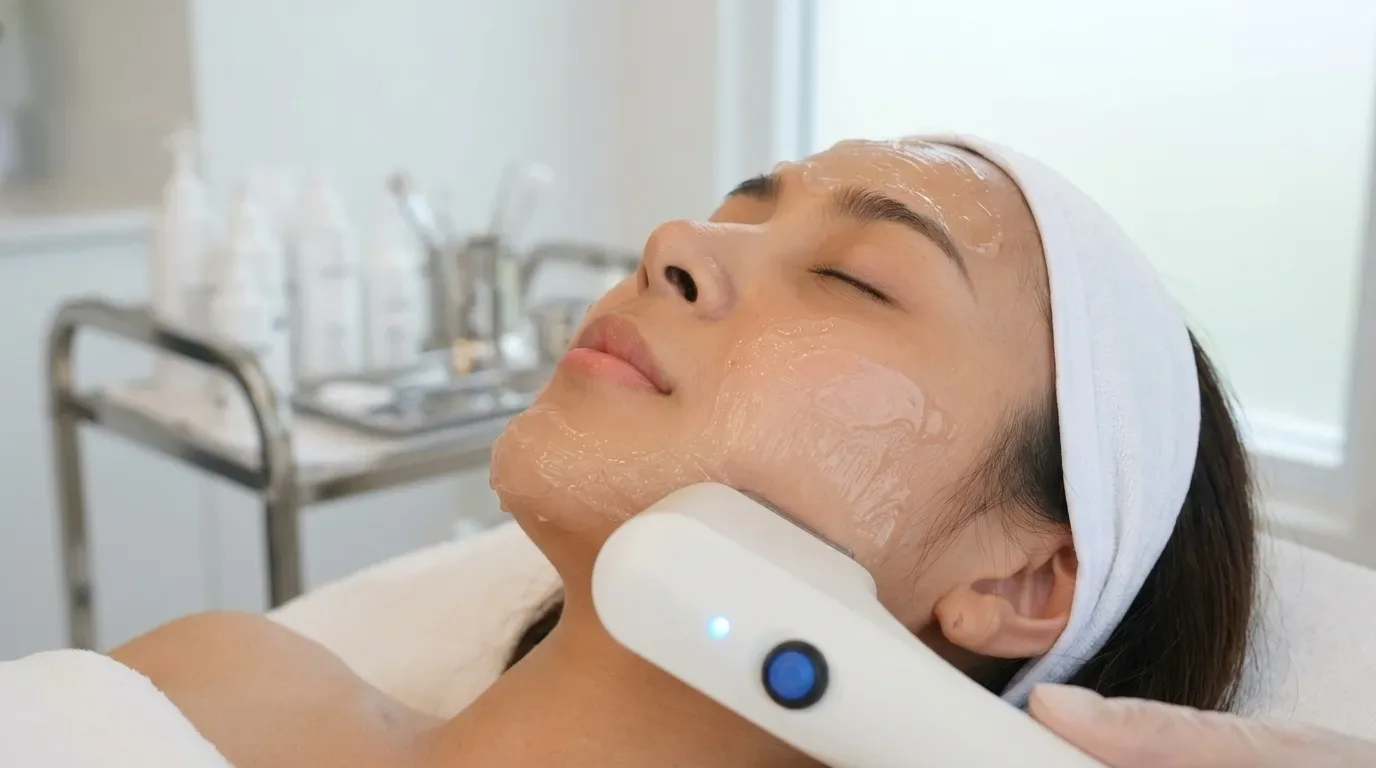
Laser & Energy
Sofwave Skin Tightening
Sofwave is an ultrasound lifting treatment that stimulates mid-dermal collagen to tighten and lift the face, neck…
View Treatment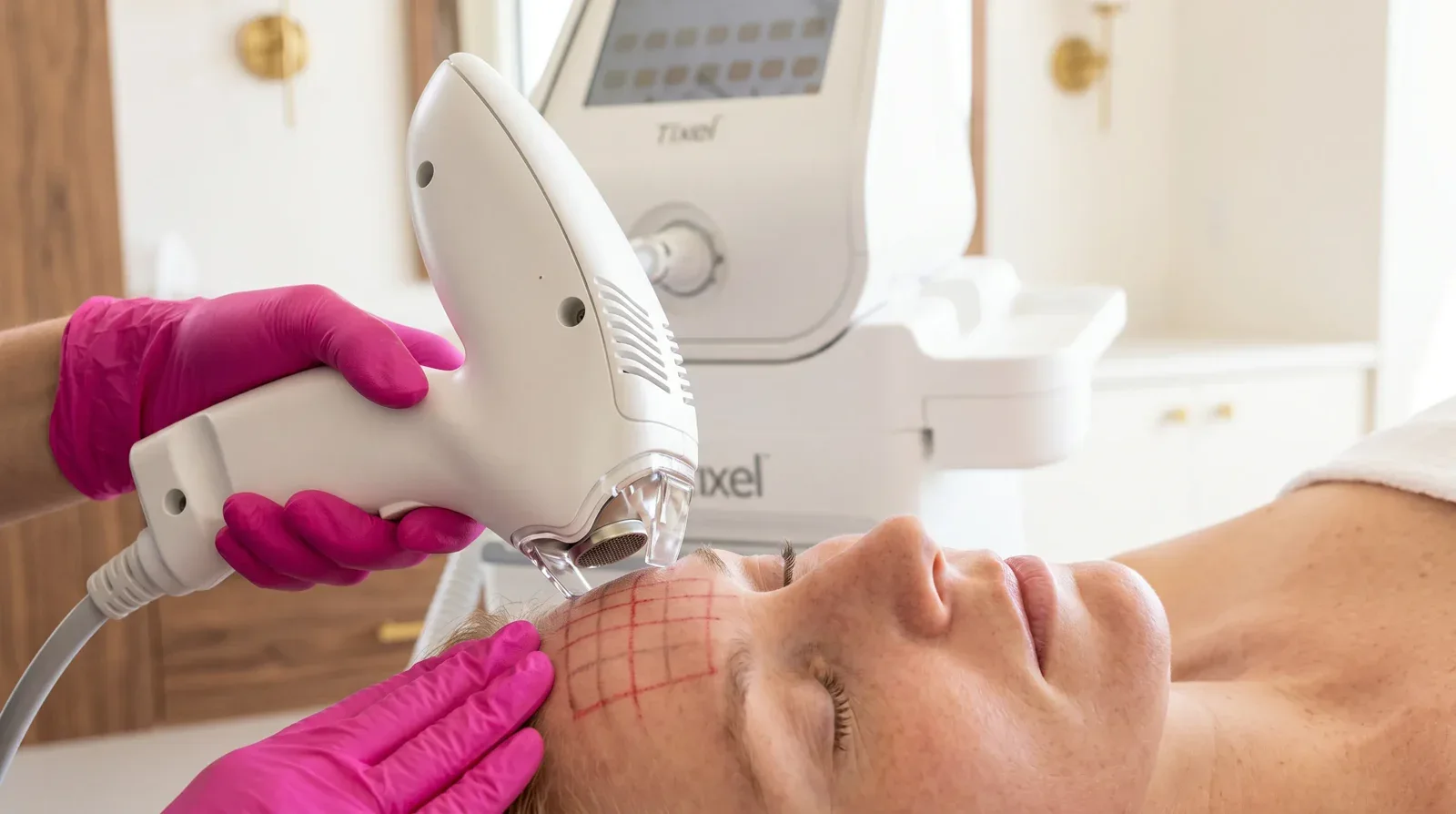
Laser & Energy
Tixel Skin Treatment
Tixel is a thermo-mechanical resurfacing device that fades pigmentation and uneven tone through controlled heat and…
View Treatment


FAQ
Common Questions About Our
Pickering Clinic
No. There is no clinical evidence that cosmetic laser treatments cause skin cancer. The lasers used at Victoria Rose Aesthetics, including Fotona, Sylfirm X RF microneedling, Sofwave ultrasound, and Tixel thermo-mechanical, do not emit UV radiation, which is the wavelength associated with skin cancer risk. These devices use targeted thermal or radiofrequency energy that interacts with water, pigment, or collagen at controlled depths. Each platform used at the clinic is Health Canada-approved and operated under medical oversight. Victoria Rose Cyr, RN BScN, reviews your medical history, current medications, and any prior skin cancers before treatment. If you have a history of skin cancer or active suspicious lesions, dermatology clearance is required before booking. Sun protection after treatment is still recommended.
Yes, when the right device is matched to the right concern. At Victoria Rose Aesthetics, the laser and energy stack includes Fotona Er:YAG and Nd:YAG for resurfacing, tightening, and vascular work, Sylfirm X RF microneedling for pigment and texture, Sofwave for collagen-based lifting, and Tixel thermo-mechanical for sensitive-skin resurfacing. Each platform has published clinical data behind its specific indication. Results depend on protocol fit, session count, and aftercare. Most patients see early changes after one session and full collagen remodelling between 8 and 12 weeks. Victoria Rose Cyr, RN BScN, completes a skin assessment and Fitzpatrick typing before recommending a platform, so the device chosen matches the concern rather than a one-size approach. Book a consultation to confirm which laser fits your skin.
Certain lasers can lighten targeted areas of pigment, but they do not bleach overall skin tone. At Victoria Rose Aesthetics, Sylfirm X RF microneedling and Fotona Q-switched modes treat melasma, post-inflammatory hyperpigmentation, sun spots, and uneven tone by fragmenting excess melanin so the body clears it gradually. The result is more even pigment, not a lighter baseline complexion. Whole-body skin lightening is not offered, since it is neither safe nor clinically supported. Victoria Rose Cyr, RN BScN, performs Fitzpatrick typing before any pigment-targeting protocol because higher phototypes need specific wavelength and energy settings to avoid post-inflammatory darkening. Strict sun protection is required before and after each session. Multiple sessions, typically 3 to 6 spaced 4 to 6 weeks apart, are needed for visible pigment clearance.
Yes. Two platforms at Victoria Rose Aesthetics target skin laxity directly. Sofwave uses synchronous ultrasound parallel beam technology to deliver heat at 1.5 mm beneath the surface, stimulating new collagen for lifting on the brow, submentum, and neck. Fotona TightSculpting combines a deep Nd:YAG bulk-heating pass with a superficial Er:YAG resurfacing pass for facial and body tightening. Both work by triggering controlled thermal injury that prompts collagen and elastin remodelling over 8 to 12 weeks. Sylfirm X RF microneedling adds a third option, pairing fractional needles with bipolar radiofrequency for tightening combined with pigment correction. Victoria Rose Cyr, RN BScN, matches the platform to your laxity pattern, skin type, and downtime tolerance. Most tightening protocols require 2 to 4 sessions for full result.
Laser skin treatments work by delivering targeted light energy that is absorbed by a specific chromophore in the skin, water, melanin, or hemoglobin. The absorbed energy converts to heat at a controlled depth, triggering one of three responses: ablation of damaged tissue, fragmentation of pigment, or thermal injury that prompts new collagen. At Victoria Rose Aesthetics the platform is selected to match the concern. Fotona Er:YAG ablates the surface for resurfacing, Fotona Nd:YAG penetrates deeper for tightening and vascular lesions, Sylfirm X pairs microneedles with RF for pigment and texture, Sofwave uses ultrasound for collagen lifting, and Tixel uses heated titanium tips for resurfacing without light. Victoria Rose Cyr, RN BScN, performs Fitzpatrick typing and assesses your concern before recommending settings.