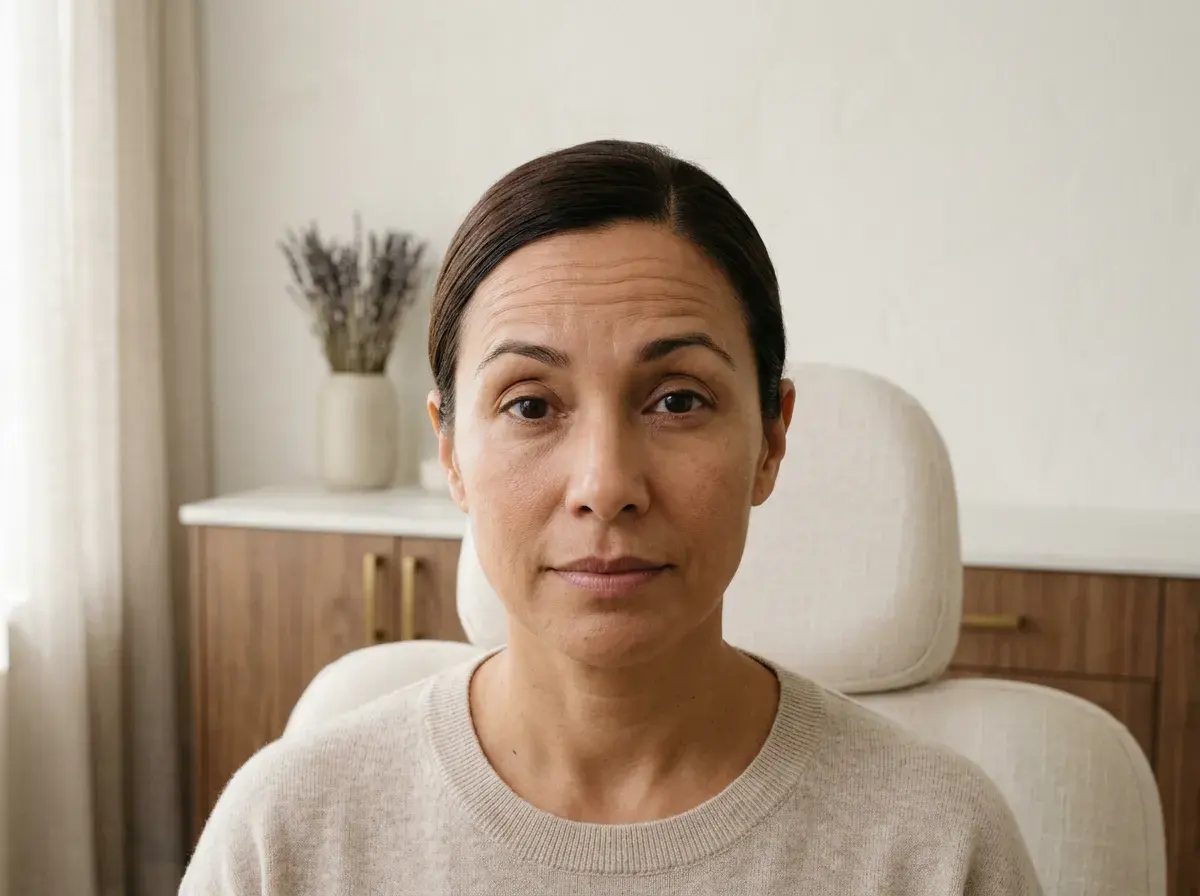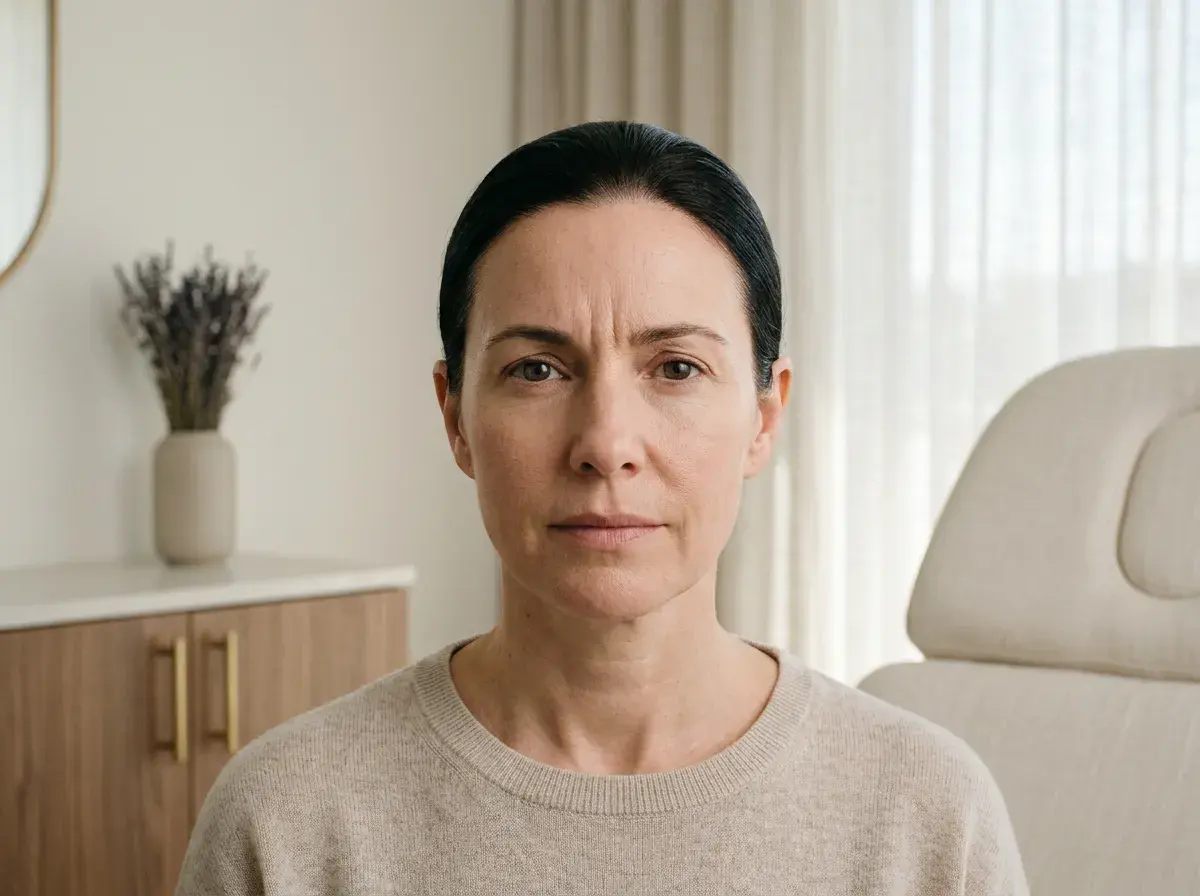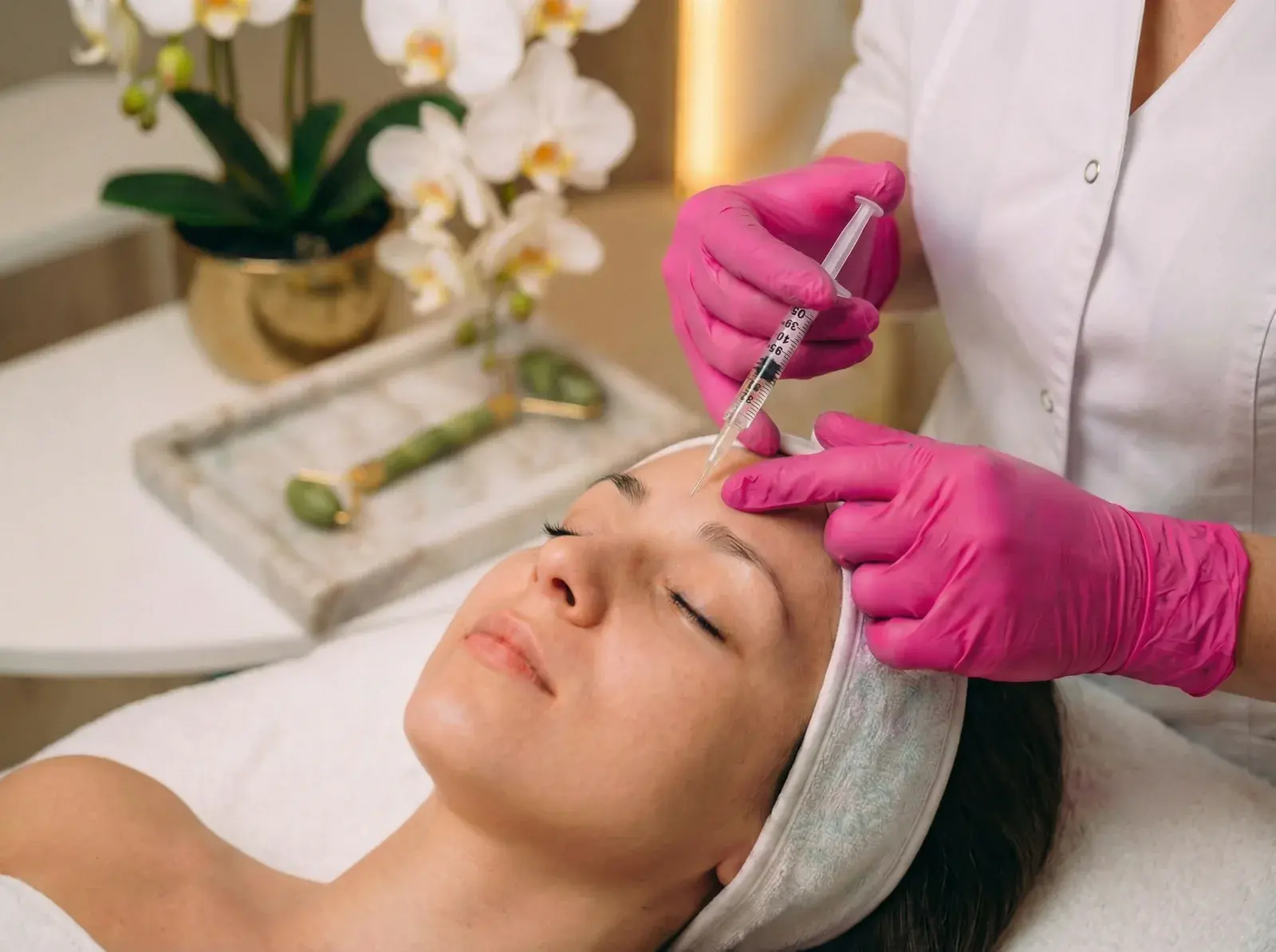
The result looks great around two weeks in. The forehead is smooth, the frown line has softened, and your expression still moves the way it should. Then a question shows up: how long does this hold, and when will I be back in the chair? It is the most common thing patients ask after a first treatment. The honest answer is a range that shifts with your muscles, your metabolism, and the habits you keep between visits.
Here is what actually decides how long Botox lasts, and the habits that push a result closer to the top of that range.
So how long does Botox actually last?
For most people, a Botox result lasts about 3 to 4 months. Botox and Nuceiva, the two neuromodulators we use in our Pickering clinic, follow a similar timeline. You will usually notice movement returning gradually near the end of that window, not all at once.
That 3 to 4 month figure is an average, and real results vary around it. Some patients hold a little longer once they treat on a regular schedule. Others, especially first-timers, find the first round fades a touch sooner. Both are normal. Timing at the start matters too. How long Botox takes to work is roughly 2 to 4 days for partial onset and 10 to 14 days for the full effect. So of a 3 to 4 month result, the first couple of weeks are really the product settling in.
Why Botox wears off
Botox does not stay in the muscle forever, and it is not meant to. It works by quieting the signal that tells a specific muscle to contract. Over time your body clears the product and the nerve signal returns. The muscle starts moving again, and lines gradually come back.
How fast that happens is not the same for everyone. A few things move it:
- Muscle strength. Strong, active muscles work through the product faster. This is common in people who frown hard or have a heavy brow.
- Metabolism. A faster metabolism can clear the product a little sooner.
- Dose and placement. An underdosed area fades earlier. The right amount for your anatomy is something your injector judges at your visit, which is why we do not publish a fixed number.
- Intense, frequent exercise. Heavy endurance training is linked with shorter-lasting results for some patients, likely tied to metabolism.
- The area itself. Some muscles simply hold results longer than others.
None of these mean you did anything wrong. They are the reasons two people can get the same treatment and watch it fade on slightly different schedules.
How long does masseter Botox last?
Masseter Botox usually lasts longer than Botox in the upper face, often around 4 to 6 months. The masseter is the large jaw muscle you use for chewing. Because it is bigger, and the goal is to relax or slim it rather than smooth a fine line, results tend to hold longer between appointments. Whether the aim is jaw slimming or easing teeth grinding, we confirm your timeline at the review. Strong chewing habits can shorten the window.
Does Botox last longer with repeated treatments?
For many patients, yes. When a muscle is treated consistently over time, it is used less and can gradually weaken. A weaker muscle creases the skin less and often needs treatment less often to stay smooth. This is why some long-term patients stretch from every 3 months to every 4 or more. It is not guaranteed, and it depends on the area and your own anatomy. Still, a steady schedule tends to work in your favour over the long run.
How to make your Botox last longer
You cannot change your metabolism. A few things genuinely help a result reach the top of its range.
- Treat on a schedule. Rebooking before the result fully wears off keeps the muscle quieter and the outcome more even. Chasing it after everything has returned resets the clock each time.
- Do not underdose to save money. A dose that is too small for the muscle fades faster, so it can cost more across a year, not less. Adequate dosing for your anatomy is the single biggest lever you have.
- Protect your skin from the sun. UV breaks down collagen and ages the surface, which makes lines look deeper as movement returns. Daily broad-spectrum SPF supports every result you pay for.
- Support your skin between visits. A steady routine and good hydration will not extend the product itself. They do keep the fine lines and wrinkles around the treated area looking softer.
- Skip the tips that sound too good. Zinc supplements and similar internet hacks do not have strong evidence behind them. Consistent treatment and sun protection do.
The most reliable way to hold a smooth result is not a trick. It is a sensible schedule set with your injector.
Ready to plan a result that lasts?
The longest-lasting results come from the right dose in the right muscle, on a schedule that fits how your face moves. That starts with an assessment. Book a Botox consultation → at our Pickering clinic. We will map your muscles, recommend a plan, and set a timeline built around you.