If you are reading this, it’s officially peel season and this is your sign to get your peel game on, so you can be the one with the glowing skin this October!
What Is a Chemical Peel?
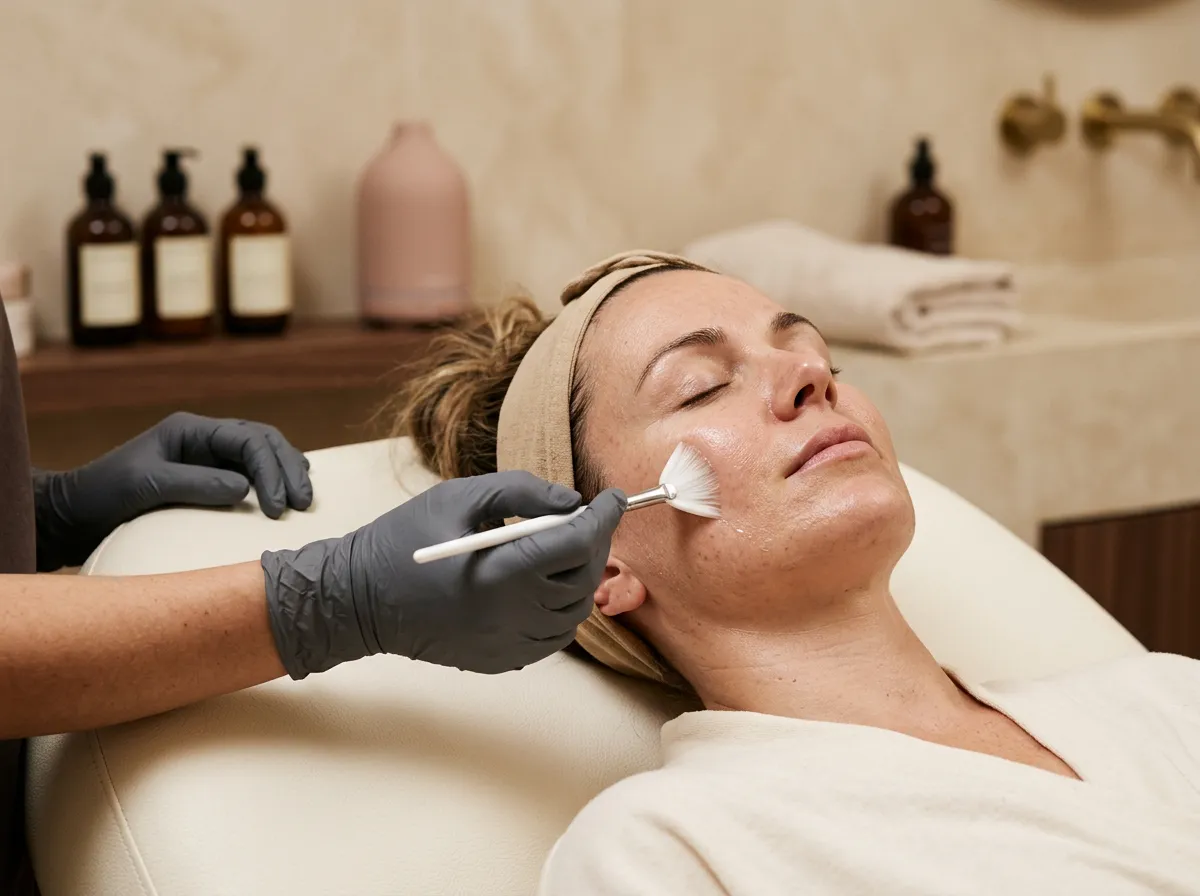
A chemical peel is a non-laser skin resurfacing treatment that uses chemical exfoliation to rejuvenate your skin's texture, look, and overall integrity of your skin.
This treatment removes the skin's topmost layer and reveals more youthful, healthier skin. It can also be used to reduce or treat the following conditions:
- Fine lines and wrinkles
- Discoloration (age spots, sun damage, melasma, freckles)
- Certain types of acne
- Hyperpigmentation and acne scars
- Enlarged pores
- Uneven skin tone and texture
Types of Chemical Peels
Generally speaking, chemical peels are available in three potency levels. Each type of peel uses a different chemical solution. The pH of your chemical peel is also crucial to consider.
Light Peel (Lunchtime Peel)
This type of chemical peel, also known as the lunchtime peel, is the gentlest of the three. It uses mild peeling solutions containing acids derived from natural fruit enzymes, such as alpha-hydroxy acid (AHA).
Light peels only work on the skin's topmost layer (the epidermis), it doesn't get much deeper than that. They are quick and simple, lasting about 10 to 15 minutes.
A superficial peel treatment is safe and effective for all skin types and may cause a mild and tolerable warming sensation.
Benefits
- A lunchtime peel is ideal for treating minor skin issues such as clogged pores
- Brightens your complexion
- Treats minor skin blemishes
- It is the perfect peel to rejuvenate your skin
Medium Peel (Glycolic & TCA Peels)
Medium peels are designed to penetrate the skin's outer and middle layers. Chemicals used in medium peels include glycolic and trichloroacetic acid. They are more painful than light peels because the ingredients used are more potent and penetrate deeper into the skin for better results.
In Victoria Rose Aesthetics, medium chemical peels can take up to 40 minutes. We ensure you are as comfortable as possible during this treatment so you can have the best experience.
Benefits
- Treats post-acne scarring
- Can be used to treat clogged and enlarged pores
- Skin rejuvenation and improved skin quality
- Ideal for treating blackheads, whiteheads, and other types of acne
Deep Peel (Phenol Peels)
Deeper peels are the most painful of all chemical peels, but they produce dramatic results. The treatment procedure is far more complicated and may require the administration of intravenous pain relievers, sedatives, and general anesthetics.
They use carbolic acid, which can penetrate the skin's deepest layers. It is a very strong type of chemical peel that should only be used when necessary.
For example, if you're looking for a treatment for severe photoaging, scarring, and skin abnormalities caused by precancerous growths.
On the other hand, if all you want is flawless and fabulous skin, a few sessions of a light or medium peel will suffice.
The 6 Chemical Peels We Offer in Pickering
At Victoria Rose Aesthetics, we offer 6 Chemical Peels at varying strengths that can improve the appearance of the skin by minimizing signs of aging, brightening, reducing hyperpigmentation, and treating a variety of other skin abnormalities.
These peels are;
1. Skin Recovery Peel
Effectively treats and improves the appearance of acne and stretch marks through controlled exfoliation with salicylic and mandelic acids. It is a powerful peel that helps to reduce breakouts and restructures your skin for radiant and healthy, acne-free skin.
It is a powerful peel that helps to reduce breakouts and restructures your skin for radiant and healthy, acne-free skin.
2. Glyco-Age Peel
This medium peel offers controlled epidermal exfoliation, improves hydration, and reduces enlarged pores.
The acids used in this peel promote epidermal cell renewal, reduce the thickness of the middle layer of your skin, and thicken the basal cell layer, resulting in improved skin textures and appearance.
3. Mg-TCA35 Peel
TCAs are among the most widely used medical-grade chemical peels. This peel combines Salicylic and Chloroacetic Acid to remove the damaged top layer of skin, leaving behind a smoother, brighter, more evenly toned, and firmer complexion.
4. Bio C Peel
Bio-C peel is a light peel that improves the tone and texture of the skin by using polyhydroxy acids, alpha hydroxy acids, and Vitamins to give your skin an instant lift.
The Hollywood peel infuses gentle acids, hyaluronic acid, and vitamin C in two steps for massive hydration and anti-aging benefits. Because of the gentle combination of acids, this peel is quick and effective, with no downtime!
5. Mandelage Peel
This light peel penetrates the skin deeply to soothe, reduce inflammation, and promote exfoliation.The Mandelage peel addresses skin concerns such as mild skin aging, skin discoloration, and uneven skin tone.
It is an excellent treatment for acne-prone, inflamed, or sensitive skin, as well as those new to chemical peels.
6. Redness Peel
The Redness Peel is a resurfacing Alpha Hydroxy Acid peel that contains lactic acid to exfoliate dead skin cells. It stimulates collagen and increases turnover, improving skin texture and tone. This multifunctional peel treats a variety of skin conditions, such as rosacea, fine lines and wrinkles, discoloration, sun damage, and large pores.
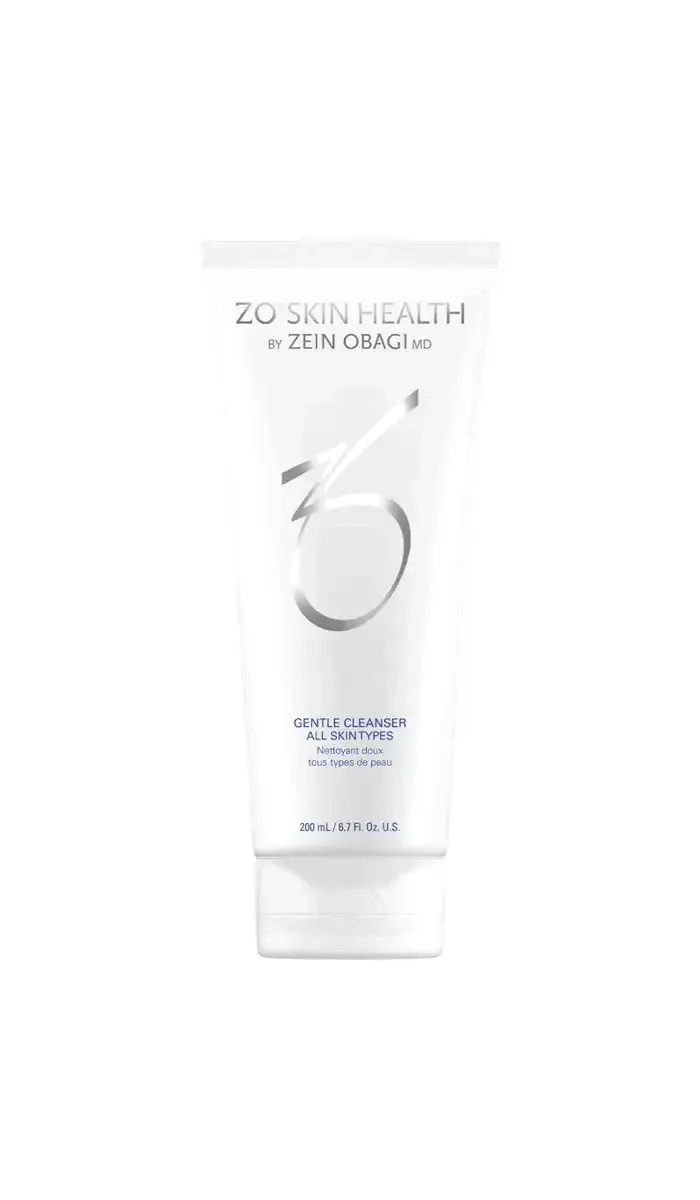
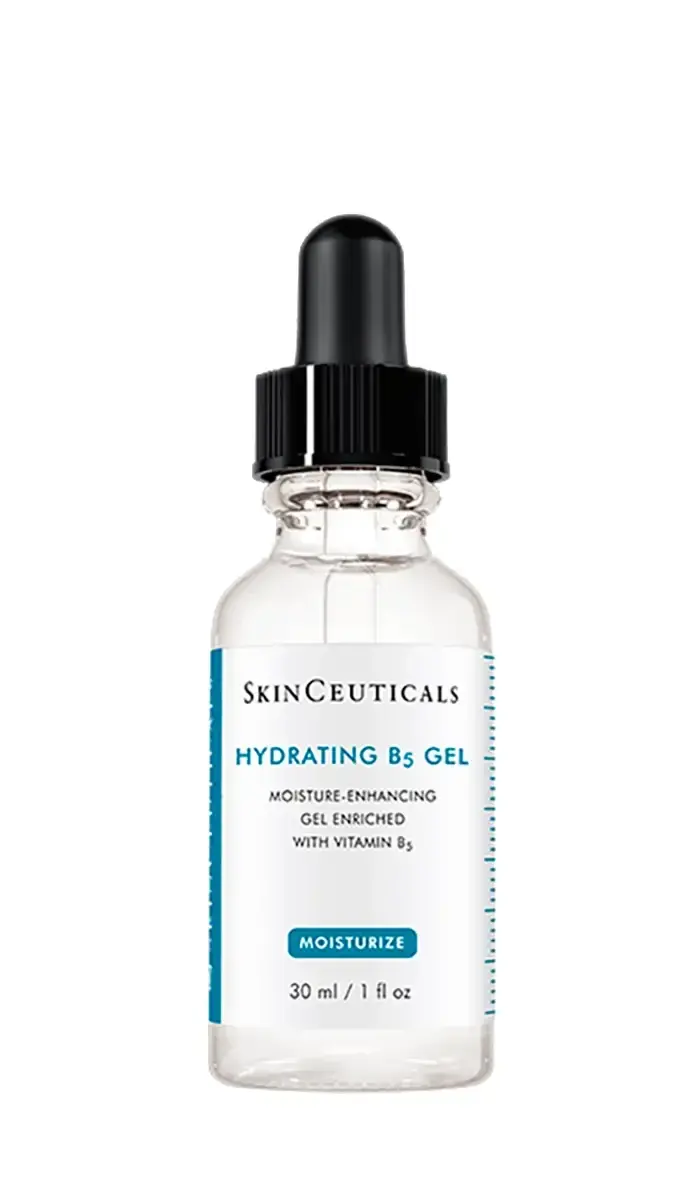
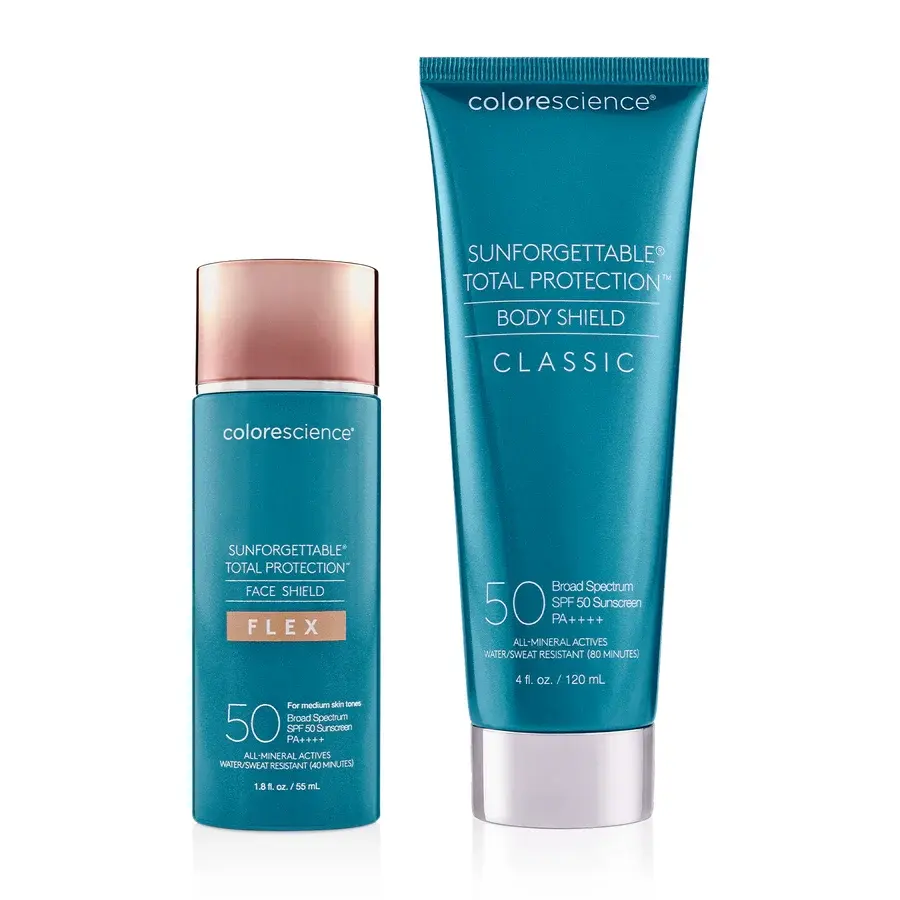
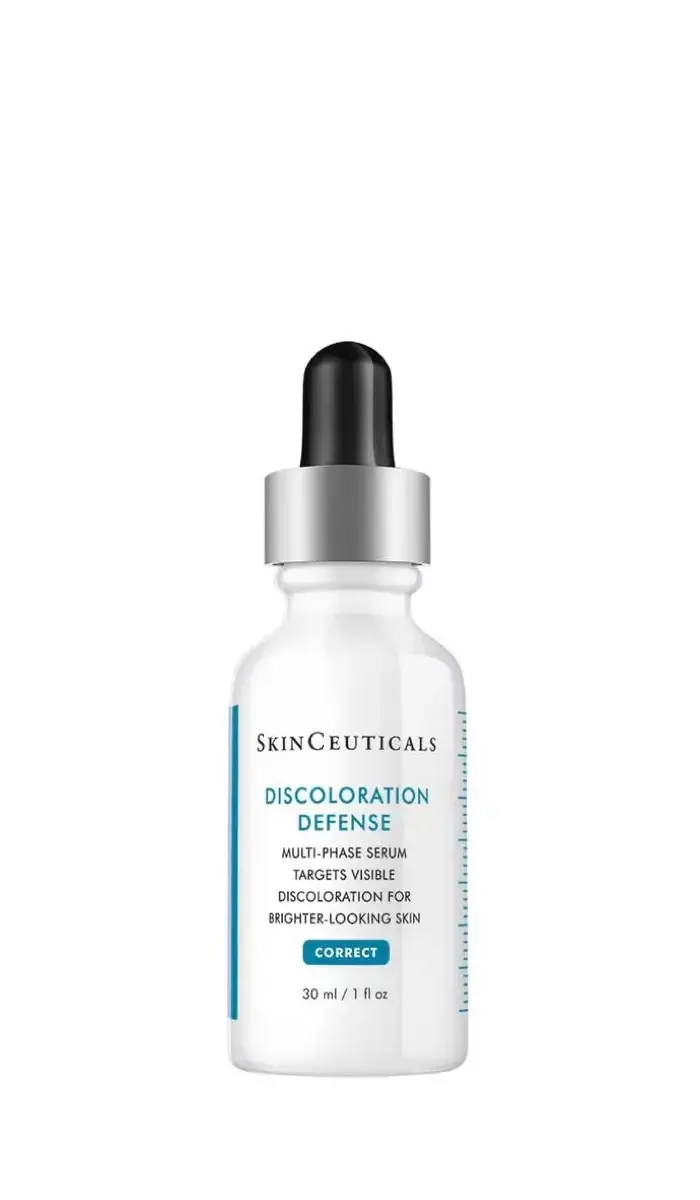
The post-peel routine
How to Choose the Right Chemical Peel for Your Skin
With so many different types of chemical peels available, you can easily tailor your treatment to achieve the results you want.
During your consultation, I will examine your skin and recommend the best chemical peel for your specific needs and goals.
To get started, schedule your consultation with me & I’ll tailor your treatment to both your individual needs and aesthetic goals. I am more than happy to answer any other questions you may have.
Reach out to us to book a treatment. Email us at contact us or call us at (905) 903 3300
.webp&w=3840&q=75)