Choosing the best facial in Pickering starts with matching the facial's mechanism to a diagnosed skin concern, and a trained medical aesthetician makes that match after a skin analysis. Medical facials work through four main mechanisms: oxygenation with serum infusion, mechanical exfoliation, chemical exfoliation and microneedling. Each one acts on the skin in a different way, so each suits a different problem, from dull and dehydrated skin to congestion, uneven tone and rough texture. This guide explains how each type works, what to check in a clinic, who should wait, and what a facial looks like in Pickering.
How the four types of medical facial work
Every medical facial works through one of four mechanisms. The aesthetician chooses the mechanism first, because the outcome follows from what the treatment does in the skin.
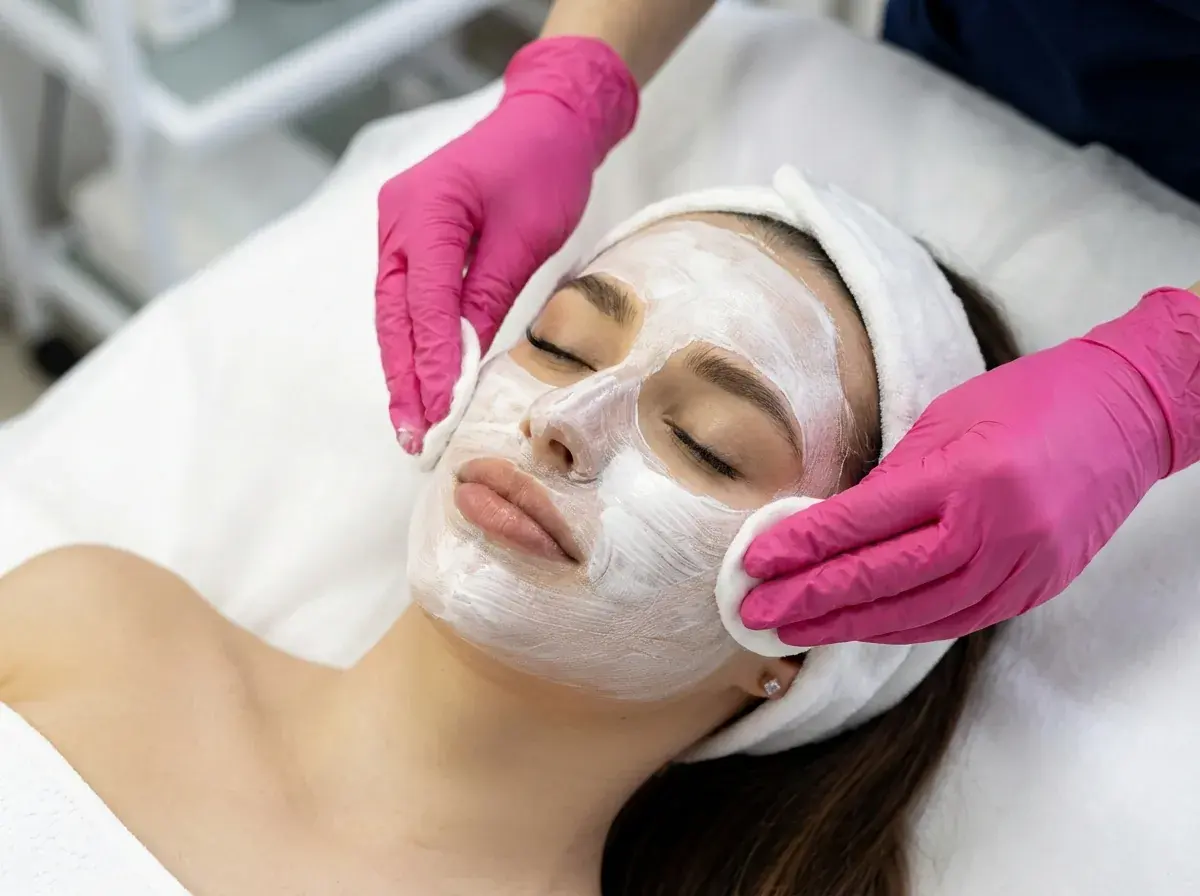
Oxygenation with serum infusion works on blood flow and hydration. In the GeneoX 5-in-1 Facial, the aesthetician exfoliates first. A CO2 oxygenation step then draws oxygen-rich blood to the surface, ultrasound carries serum deeper, and LED light closes the session.
Mechanical exfoliation lifts dead surface cells by physical contact. In the BelaMD Facial, a diamond tip polishes away the outer layer while serum is infused into the freshly exfoliated skin.
Chemical exfoliation uses acids or enzymes to loosen the bonds that hold dead cells together. Chemical peels use medical-grade acids, including glycolic, lactic, mandelic, kojic, salicylic and TCA, at a depth matched to the concern.
Microneedling works through controlled injury. In DP4 Microneedling, fine needles create tiny channels in the skin, and the repair response builds new collagen that refines texture.
Match the facial to the skin concern
A facial menu lists treatments by name. A skin concern points to a mechanism, which is the more reliable place to start.
Dull or dehydrated skin usually calls for oxygenation and infusion, which bring oxygen-rich blood to the surface and deliver hydrating serum. The GeneoX 5-in-1 Facial sits here, and the Signature GlowGetter Facial adds an enzyme or AHA exfoliant matched to skin type.
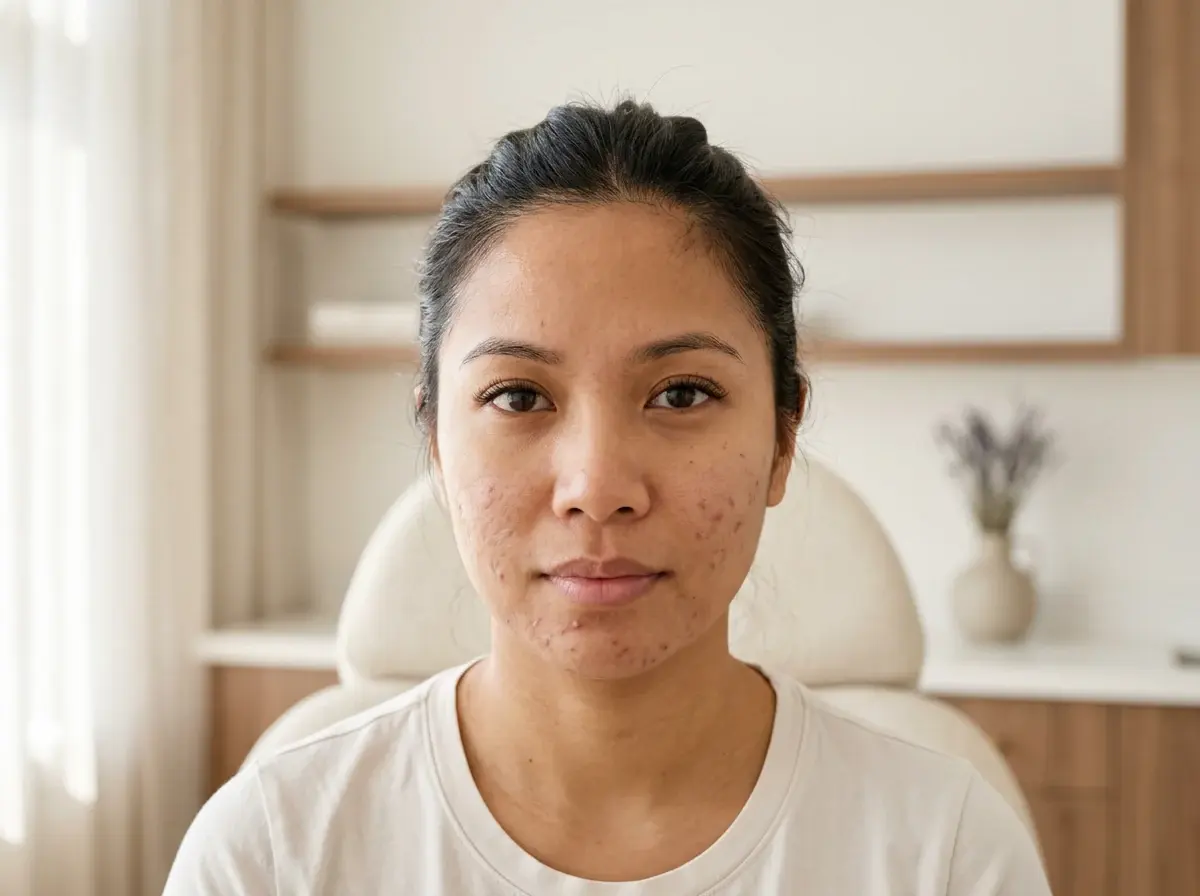
Congestion, rough texture and enlarged pores need exfoliation that clears the surface and the pore. BelaMD microdermabrasion and a salicylic acid peel are the usual choices. DP4 Microneedling suits texture that sits below the surface, where exfoliation does not reach.
Uneven skin tone and pigmentation need chemical exfoliation over time. Brightening peels built on acids such as mandelic, lactic or kojic are planned as a series, because pigment fades gradually across sessions.
Most skin has more than one concern. The skin analysis shows which one leads, and the plan treats that one first.
What to look for in a facial clinic
A medical facial should be chosen from a skin analysis, so the analysis is the first thing to check. A clinic that books straight from a menu has skipped the step that decides whether the treatment fits.
- A skin analysis with an imaging device, which shows pigment, congestion and texture the eye can miss.
- Facials performed by a trained medical aesthetician, named on the clinic's site with their role.
- Named devices and named acids, so you know what is going on your skin.
- A stated depth for any peel, matched to the concern.
- Written instructions for downtime, sun protection and home care.
- A follow-up plan that sets the next session and adjusts it to how your skin responded.
- Medical oversight for treatments that go below the surface, such as deeper peels and microneedling.
Questions to ask at a facial consultation
The consultation is where the mechanism gets chosen. These questions show whether the recommendation comes from your skin or from a standard package.
- What did the skin analysis show, and which concern is the priority?
- Which mechanism does this facial use, and why does it suit that concern?
- Which acid or serum will you use, and at what depth?
- How many sessions do you recommend, and how far apart?
- What will my skin look like over the next 48 hours?
- What should I stop using at home before the appointment?
- When would you advise me to wait or choose a different treatment?
Who should not book a facial yet, and when to wait
Exfoliating and needling treatments need intact, settled skin. The aesthetician asks about each of the following, and sometimes the right answer is to wait.
One honest limit applies to everyone. A single facial will not clear established pigmentation or deep texture, so a goal that needs a series should be planned as a series from the start.
- Sunburn, a fresh tan or broken skin in the treatment area means waiting until the skin has healed.
- An active cold sore, skin infection or eczema flare on the face also means waiting.
- Oral isotretinoin for acne, current or recent, needs to be raised before any peel or microneedling.
- Topical retinoids and exfoliating products may need a pause before a peel, and the aesthetician sets the timing.
- Pregnancy and breastfeeding usually mean postponing some acids and microneedling.
- An event within two days rules out microneedling, which leaves 24 to 48 hours of redness.
Facials at Victoria Rose Aesthetics in Pickering
Victoria Rose Aesthetics is an independent clinic at 1870 Altona Rd, Unit A, in Pickering, owned by Victoria Rose Cyr, RN, BScN, a registered nurse. Facials are performed by the clinic's Medical Aestheticians, Arden Besner and Katerina Milosevski.
Every facial plan starts at a $75 consultation that includes a skin analysis with an imaging device. The aesthetician reviews the images, names the priority concern and recommends the facial whose mechanism fits it.
The facial menu includes the GeneoX 5-in-1 Facial and the Signature GlowGetter Facial, each 60 minutes, along with the BelaMD Facial, chemical peels, JetPeel, the Glacial Skin facial and DP4 Microneedling. Directions and booking details are on the Pickering clinic page.
Realistic results and maintenance
Surface facials ask for little recovery time. GeneoX suits all skin types and has no downtime, and a BelaMD session takes 30 to 45 minutes, also with no downtime. Skin usually looks fresher straight after, and regular sessions with daily sunscreen help maintain the effect.
Deeper treatments trade a short recovery for change below the surface. DP4 Microneedling leaves 24 to 48 hours of redness. Peel recovery depends on depth, and the aesthetician explains the expected redness or flaking before treatment.
Pigment and texture change slowly. Brightening peels are planned as a series, and the aesthetician sets the interval between facials from how your skin responds, then adjusts it at each visit. A plan built this way is easier to judge than a run of one-off appointments.
Book a consultation in Pickering
A consultation is where the choice gets made for your anatomy and your history. Book a consultation at Victoria Rose Aesthetics in Pickering.
Victoria Rose Cyr, RN, BScN, is the founder and lead injector at Victoria Rose Aesthetics in Pickering, with more than ten years of clinical experience and over five years as a clinical trainer for Nuceiva and Teosyal.