Choosing the best under eye treatment in Pickering starts with one check: does the clinic diagnose the cause of the shadow before it suggests a method? Under-eye concerns come from a hollow tear trough, pigment, thin skin or fat-pad bags, and only some of these respond to a hyaluronic acid injection. A good clinic will decline to inject when injection is the wrong tool. For a hollow tear trough, the next checks are a soft product, conservative dosing, a stated cannula or needle technique and a follow-up once swelling settles. This guide covers how the treatment works, what to ask and who should wait.
How a tear trough treatment works
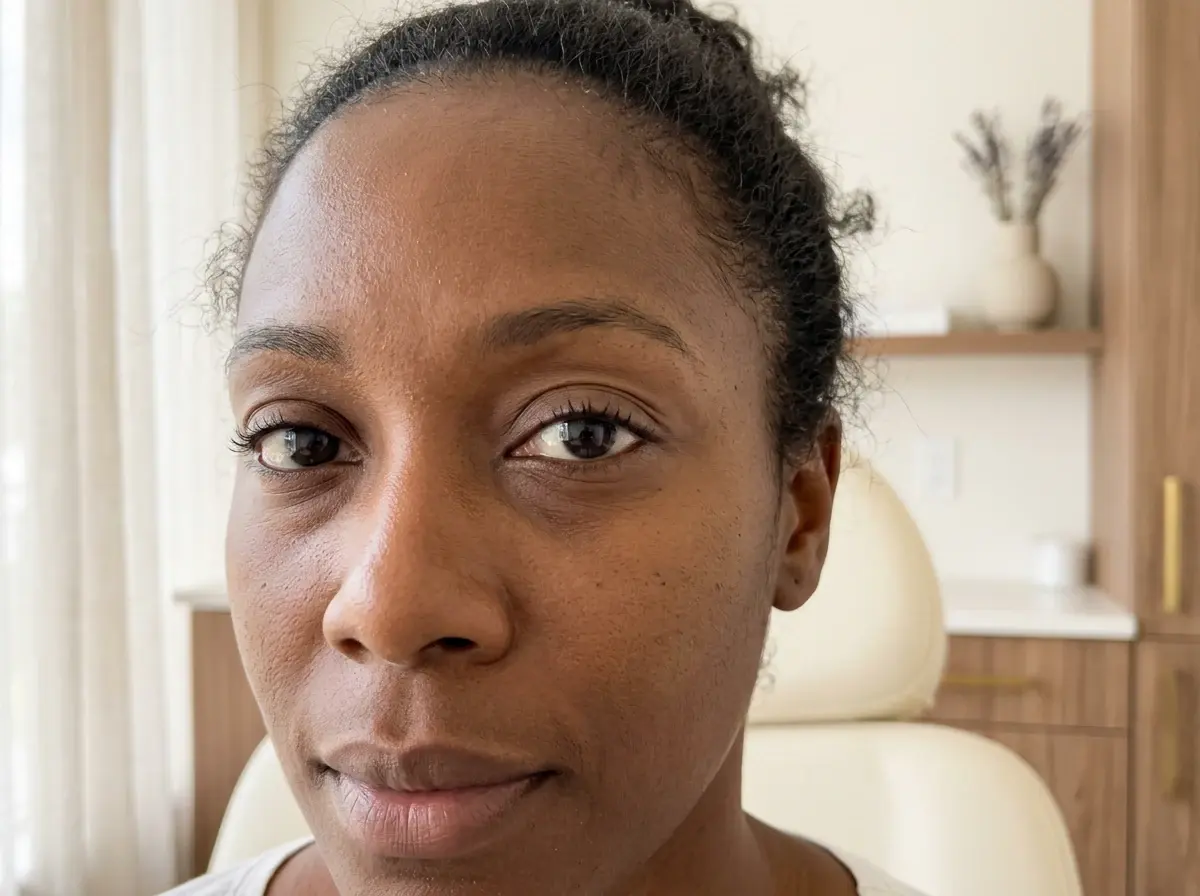
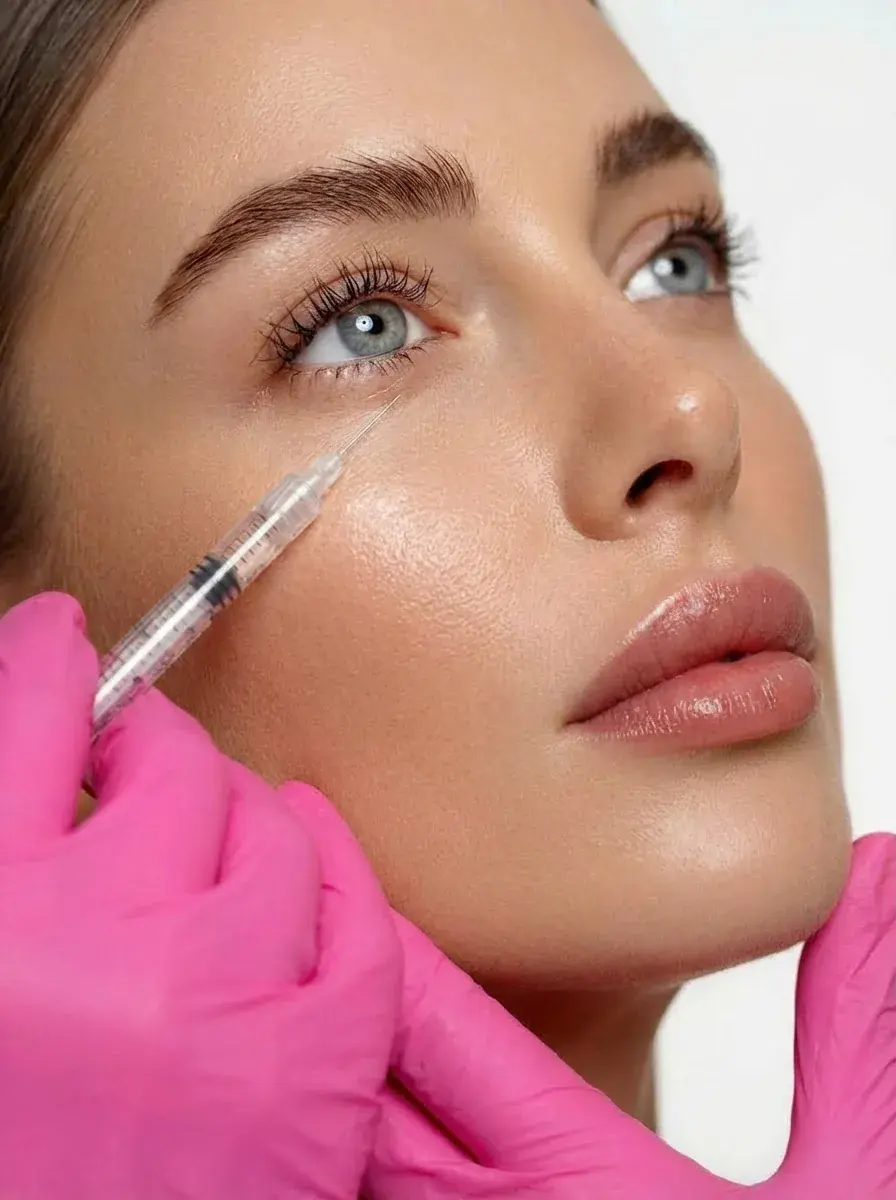
Under-eye dermal filler is a hyaluronic acid injection placed along the tear trough, the groove between the lower eyelid and the cheek. When that groove is hollow, it casts a shadow. Many dark circles are exactly that shadow, which is why restoring volume along the groove softens both the hollowness and the darkness it creates.
The injector places a small amount of soft hyaluronic acid. Most patients need 0.5 to 1 syringe to treat both tear troughs. In most cases the product goes in through a blunt-tipped cannula, which reduces the risk of bruising and distributes the product smoothly along the groove.
The change is visible immediately. Swelling then settles over about 2 weeks, and the result is judged once it has resolved.
What causes under-eye shadows, and which causes respond to injection
The consultation assesses skin thickness, fat pad position and existing hollowness, because each cause calls for a different answer. The clinic's page on under-eye hollows covers the concern itself. The common causes sort out as follows.
- Hollow tear trough. Many dark circles are shadows cast by a hollow groove, and volume restoration with hyaluronic acid suits this cause.
- Pigment. Dark circles driven by pigment respond to injection only to a limited degree, so they get a different recommendation.
- Thin skin or excess lower-lid skin. Very thin skin, or significant excess skin on the lower lid, may not suit volume restoration.
- Fat-pad bags. Puffy bags from orbital fat prolapse are a reason to leave injection out, and they usually need a surgical referral.
- Midface descent. When hollowness under the eye comes from the midface descending, the injector may recommend cheek support, which belongs with facial volume loss.
What to look for in an under-eye clinic
The tear trough is a small area with thin skin, so the clinic's judgement matters as much as the product. These are the specifics to check before booking.
- A consultation that names the cause of the shadow before any product is discussed.
- A willingness to decline injection when the cause is pigment, fat-pad bags or excess skin.
- A soft hyaluronic acid product, named at the consultation.
- Conservative dosing, with a measured amount placed first.
- A stated technique, such as a blunt-tipped cannula in most cases, with a reason for it.
- A follow-up visit once swelling has resolved, with any touch-up handled there.
- An injector with a stated credential, such as registered nurse, working in a clinic with medical oversight.
Questions to ask at an under-eye consultation
A sound recommendation comes with reasons. These questions show how the injector reached it and what happens if the plan needs adjusting.
- What is causing my under-eye shadow: hollowness, pigment, thin skin or fat-pad bags?
- Is hyaluronic acid the right tool for that cause, and what would you suggest if it is the wrong one?
- Which product will you use, and why does it suit the tear trough?
- How much product do you expect to place, and will you start with less?
- Will you use a cannula or a needle, and why?
- When is the follow-up, and how are touch-ups handled?
- How much swelling and bruising should I plan for, and for how long?
- If the result needs correcting, can it be dissolved?
Who should not book tear trough treatment, or when to wait
Hyaluronic acid restores volume, so it helps where the problem is missing volume. The injector looks for each of the following at the consultation, and in these cases another route is usually recommended.
For skin texture and collagen in the under-eye, Sylfirm X RF microneedling is an alternative, and PRP under-eye injections are also offered. When the right answer is a surgical referral, a good clinic says so plainly.
- Puffy under-eye bags from orbital fat prolapse, which usually need a surgical referral.
- Significant festoons, also called malar bags.
- Very thin skin, or significant excess skin on the lower lid.
- Dark circles driven mainly by pigment, which respond to injection only to a limited degree.
- Hollowness that comes from midface descent, where cheek support may be recommended.
Tear trough treatment at Victoria Rose Aesthetics in Pickering
Victoria Rose Aesthetics is an RN-led clinic at 1870 Altona Rd, Unit A, in Pickering. It was founded by Victoria Rose Cyr, RN, BScN, its lead injector and a clinical trainer for Nuceiva and Teosyal. A Nurse Practitioner serves as Medical Director for regulatory oversight.
Every tear trough treatment starts with a $75, 30-minute consultation that gives an honest recommendation on whether dermal filler suits the concern, even if the answer is no. The product named for the tear trough is Teosyal Redensity 2, and the Teosyal dermal fillers used in this area contain lidocaine.
On the day, numbing cream is applied for 15 to 20 minutes, and the treatment takes 30 to 45 minutes. Dosing is conservative. A measured amount goes in first, and the result is reviewed at a complimentary 2-week follow-up, where any touch-up is addressed. The clinic serves Pickering along with Ajax, Oshawa, Scarborough and Durham Region, and directions are on the Pickering clinic page.
Recovery, results and maintenance
Swelling and mild bruising are common after a tear trough treatment and may last 5 to 10 days. Some people have residual puffiness until day 10 to 14. This is why the result is judged at the 2-week mark, after swelling has resolved.
Results typically last 12 to 18 months, and maintenance is usually discussed around the 12-month mark. Because the product is hyaluronic acid, it can be dissolved with hyaluronidase if a result needs correcting.
The result applies to the hollowness itself. Pigment responds only to a limited degree, and fat-pad bags are a separate problem, so the expected outcome should be agreed at the consultation.
Book a consultation in Pickering
A consultation is where the choice gets made for your anatomy and your history. Book a consultation at Victoria Rose Aesthetics in Pickering.
Victoria Rose Cyr, RN, BScN, is the founder and lead injector at Victoria Rose Aesthetics in Pickering, with more than ten years of clinical experience and over five years as a clinical trainer for Nuceiva and Teosyal.